
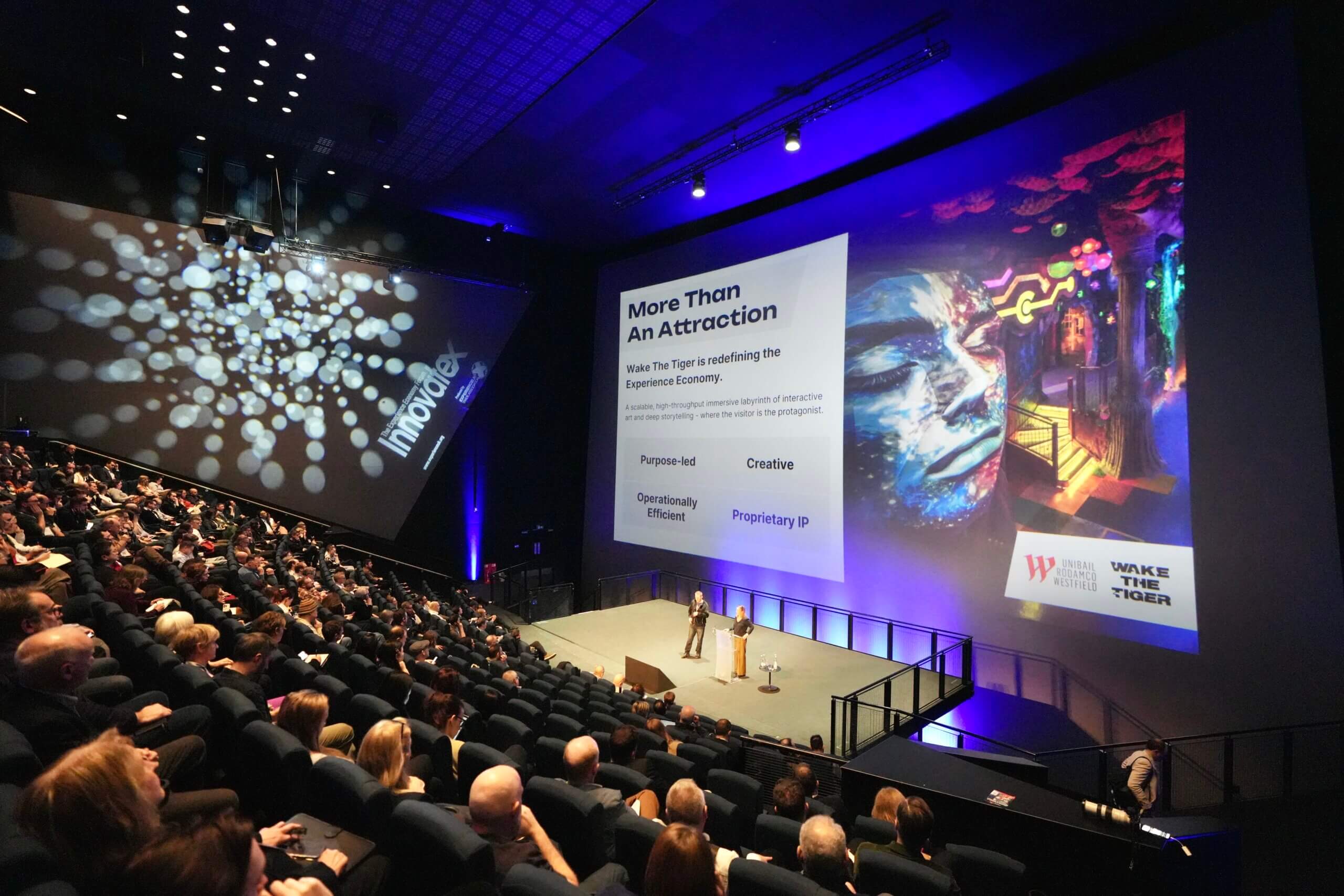
CN sat down with Ian Clappison, chief executive of Immersive Experience UK, for a Q&A about InnovateX 2026, the second annual experience economy forum, which took place at the Science Museum in London.
The event brought together industry leaders, operators, investors and stakeholders to discuss current trends, key challenges and emerging opportunities in the immersive experience sector and the wider experience economy.
This is the second year of the conference. How have you seen it evolve since the inaugural event?
IC: It has evolved massively. Moving to central London improved accessibility and raised the bar in terms of content quality and the calibre of speakers involved. Minister of state for business and trade Sir Chris Bryant set the tone for the day with his keynote speech. We had bigger players in the room such as Netflix House and other major operators that make up the ecosystem within the experience economy space.
What was your main takeaway from the conference?
We’re at a very pivotal but also exciting point. We have a government that is pro-experience economy, which is really pleasing to see. It’s only been within the past four years that we’ve had actual recognition as an industry by the government and other key stakeholders, due to the lack of understanding at that level.
This conference allows those conversations to happen freely and enables discussions about investment, both domestically and globally into the UK, with the backing of the government’s strategic approval.
Where do you think the UK genuinely leads the world when it comes to experience-led businesses?
The UK’s strength lies in the depth of creativity and innovation, alongside the breaking down of boundaries. For example, you have production companies that only serviced TV and film now bringing special effects expertise from the worlds of Star Wars and Marvel into location-based entertainment, completely raising the bar.
The UK is leading because it keeps raising the bar even further with the depth of creativity and expertise across various fields within the industry. There’s fierce competition, particularly from APAC and the Middle East, both wanting to be the first to do things and trying to outdo each other. What the experience economy is now trying to do is bring in that commercial element and bring in the right external expertise from other sectors to help achieve that.
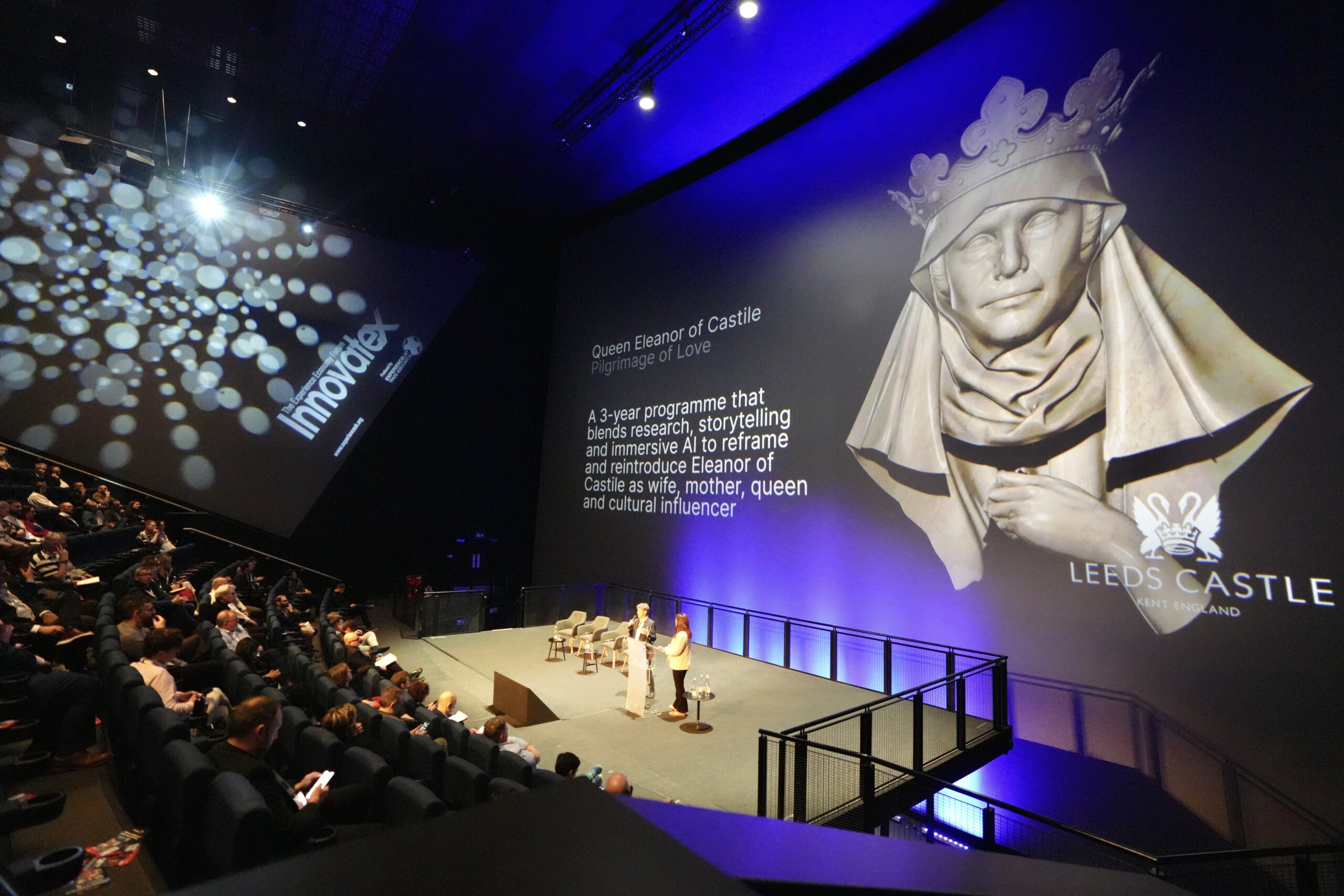
The experience sector blends creativity, tech and business. Where do you think the most exciting innovation is happening right now?
There has been significant innovation happening across all the vertical sectors within the experience economy, particularly location based entertainment in the UK. However, if there is to be longevity in the sector, it needs further financial support from stakeholders and investors. With a new audience and demographic, there is a growing hunger for experience led content.
They’re looking for experiences that push the boundaries and take things to the next level. We’re always trying to engage and work with our audience so we can prepare for the future and keep growing the industry further.
How has the UK experience economy recovered since Covid?
After Covid, the experience economy took a hit amongst other sectors as it was the least protected, everything stopped dead. It has been a staggered recovery and it took time to get things up and running again. It’s only been in the last 18 months that we’ve started to see the growth phase pick up again, with some very significant projects and contracts being awarded to UK companies.
What kind of voices or organisations are you hoping to bring into the conversation in the years ahead?
In terms of location-based entertainment, one of the biggest disconnects is between landlords, investors, stakeholders and operators. Those conversations don’t happen as freely as they should, and there’s a lack of understanding of what each group brings to the table.
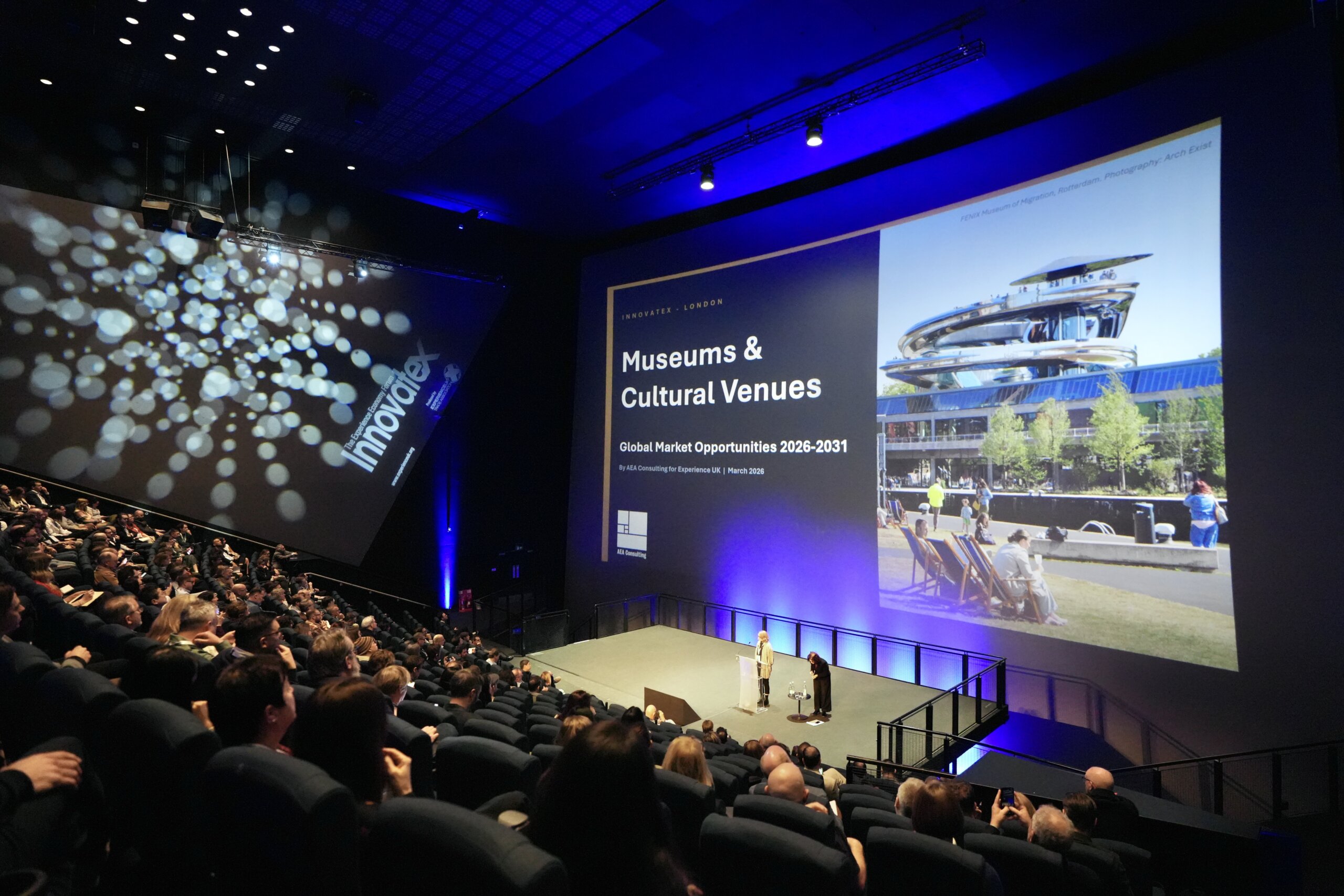
To bridge the gap, we’re running a series of roundtables across the country over the next year called Experience UK Talks. We hope this will lead to more investment plans for cities and regions across the UK and help highlight the changing landscape and roles of our high streets and shopping centres. We’re also furthering conversations about heritage and museum attractions, trying to help them repurpose and commercially unlock their IPs to target new audience demographics.
As the conference continues to grow, what’s your vision for its role in shaping the future of the industry?
Bigger and better! We raised the bar significantly this year, so we have high expectations to meet for the coming years. That means getting the audience demographic right, the themes right and the content right.