
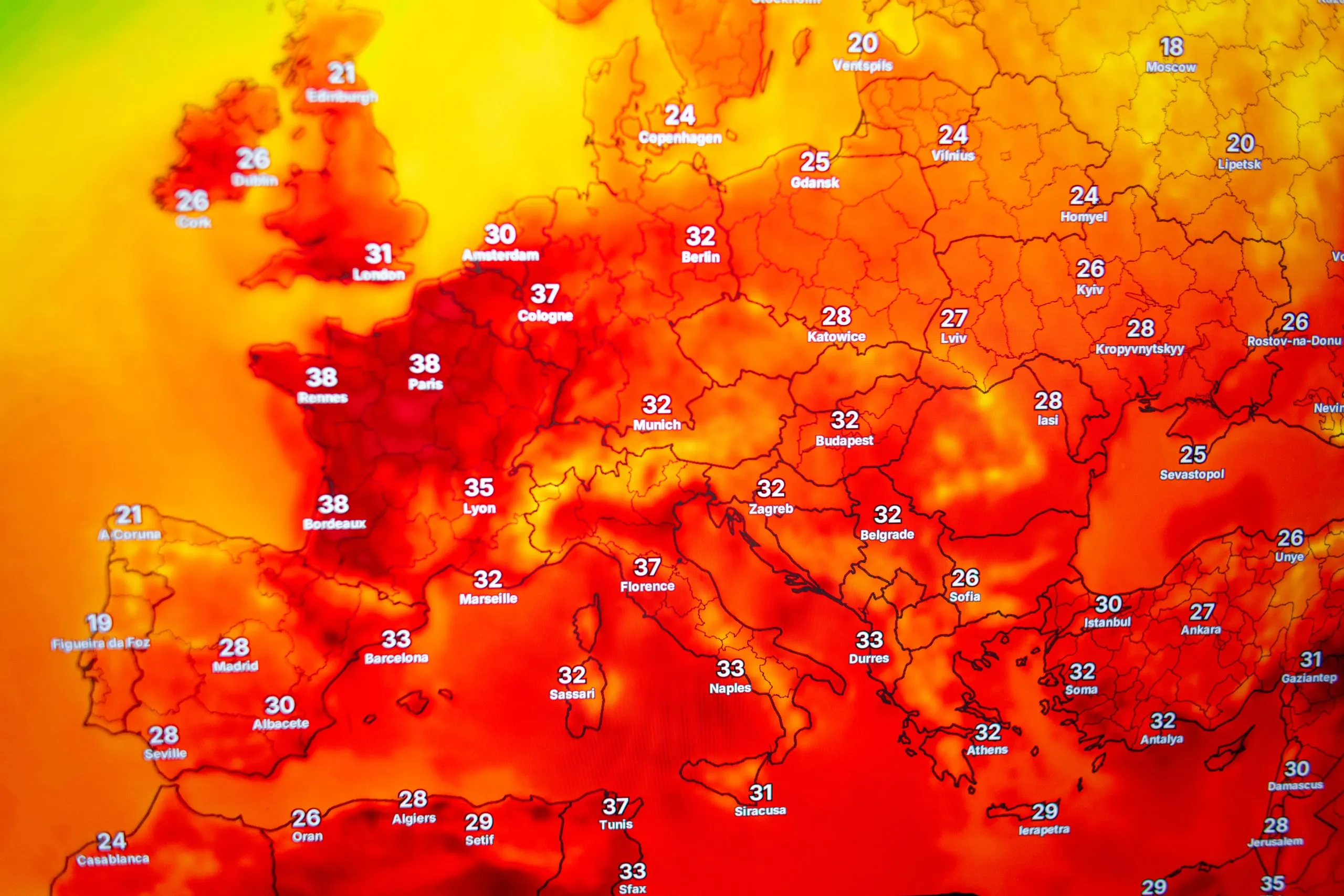
Welcome to the first instalment of What event planners can learn from…, a new CN mini-series pulling lessons for organisers out of the stories, shifts and disruptions playing out in the wider world. First up: the summer that wouldn’t cool down.
This summer’s heatwaves have raised questions for conference organisers that aren’t going anywhere. Venues whose air conditioning was never specified for sustained extreme heat struggled visibly, and delegates wilting through back-to-back sessions is the kind of thing that shapes how an event is remembered long after the closing keynote. With extreme heat now looking like a predictable seasonal risk rather than a freak one, venue choice and delegate welfare are going to need the same contingency thinking as any other operational risk.
The 2026 figures are difficult to dismiss as an outlier. By 10 August, the UK’s average summer temperature stood at 16.48°C, 1.88°C above the 1991–2020 average and on track to be the warmest UK summer on record. Temperatures peaked at 38.1°C at Kew Gardens, and 2026 was the first year on record in which the UK recorded 35°C or higher in May, June and July.
Lesson 1: Cooling infrastructure is now a venue selection criteria
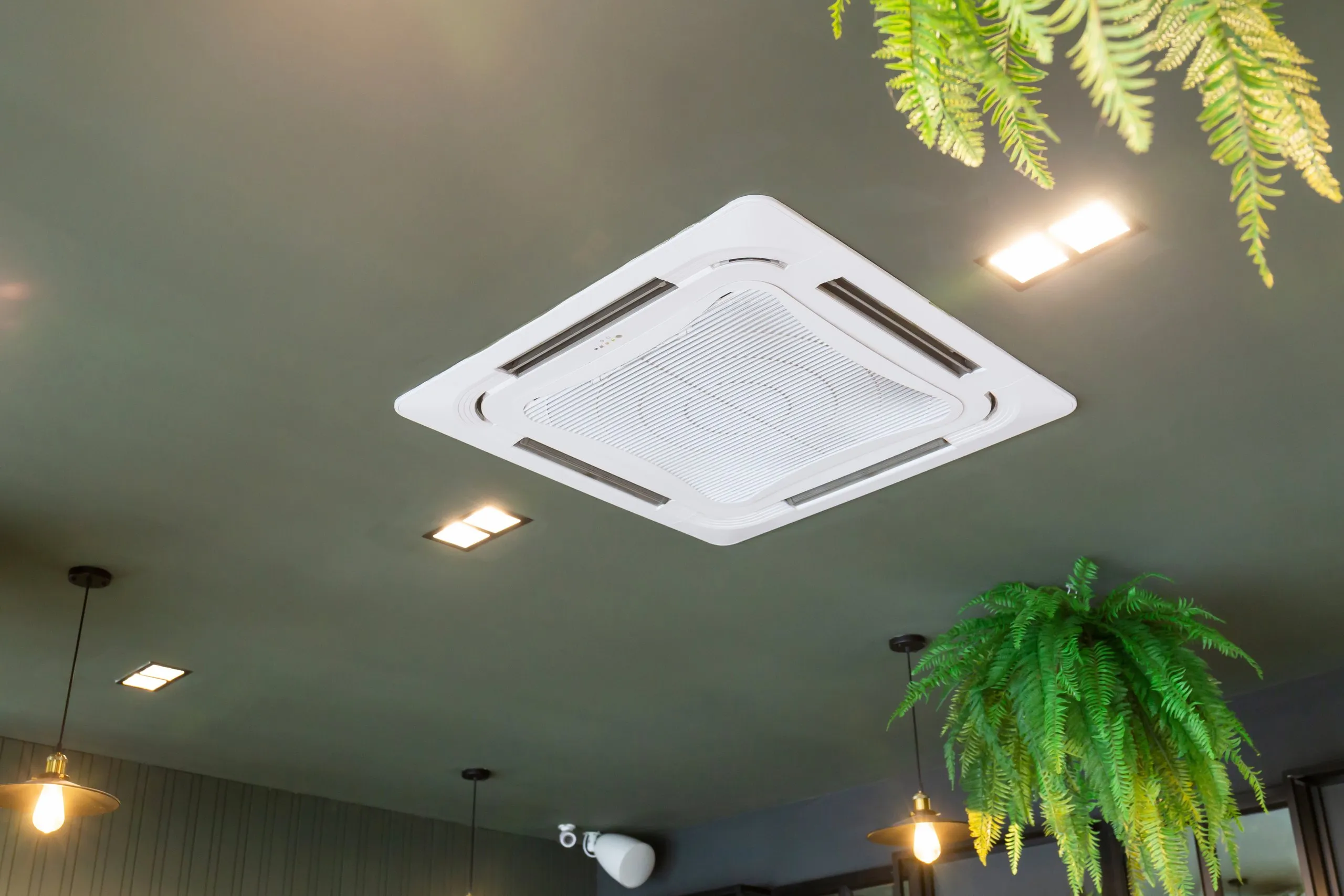
Many UK conference venues, particularly older buildings converted for events use, simply weren’t built with sustained extreme heat in mind. A packed breakout room with a hundred delegates and no working air conditioning is a common and entirely avoidable failure point.
As a result of the extreme heat, organisers are increasingly asking about cooling capacity and ventilation upfront when booking, rather than treating it as an afterthought behind capacity and AV specs. For venues, demonstrating reliable climate control is becoming as important a selling point as room size or location.
Clare Arouche, head of hospitality and events at the National Gallery, said: “This summer has been particularly challenging for our industry. Extreme heat has disrupted travel and made event planners more aware of the need for comfortable, well-cooled venues. We have seen more enquiries than ever about cooling systems, air conditioning and ventilation during the planning stages, as organisers seek to keep events running smoothly whatever the weather.”

She added: “Originally developed to protect one of the world’s most important art collections, our systems at the National Gallery also offer significant advantages for clients and guests. Our climate control systems ensure a comfortable, stable and professionally managed environment throughout the year, providing event planners with confidence that guests, event infrastructure and valuable assets will be accommodated in world-class conditions while experiencing one of London’s most prestigious cultural venues. We have invested in energy-efficient environmental management and ongoing sustainability improvements, supporting organisations looking to align events with responsible environmental practices.”
The takeaway for planners
- Ask venues directly about AC capacity relative to room size and expected delegate numbers, not just whether AC exists.
- Build a site visit during warm weather into the shortlisting process where possible, rather than relying on off-season viewings.
- Have a backup room or overflow space identified in case the primary space becomes unusable.
Lesson 2: Rethink the schedule, not just the room
A rigid, back-to-back agenda designed for a temperate day doesn’t hold up well in extreme heat. Shifting start times earlier, lengthening breaks, and building in more frequent pauses can make a real difference to delegate comfort and concentration – but this only works if it’s planned in advance rather than improvised on the day.

The takeaway for planners
- Build flexibility into the agenda at the design stage — earlier starts, longer lunch breaks, additional short breaks between sessions.
- Identify which sessions are least disruptive to move or shorten if a heatwave hits close to the event date.
- Communicate schedule changes clearly and early, rather than leaving delegates to discover an amended timetable on arrival.
Lesson 3: Dress codes and delegate comfort
UK corporate events are often slow to relax formal dress codes, even during extreme heat. A growing number of organisers are proactively relaxing dress expectations for the duration of a heatwave — a small gesture that delegates notice and appreciate.
The takeaway for planners
- Communicate any dress code relaxation in advance, not as a same-day announcement.
- Pair this with practical touches — water stations, fans, shaded break areas — so the message feels considered rather than token.
Lesson 4: Catering and hydration under pressure
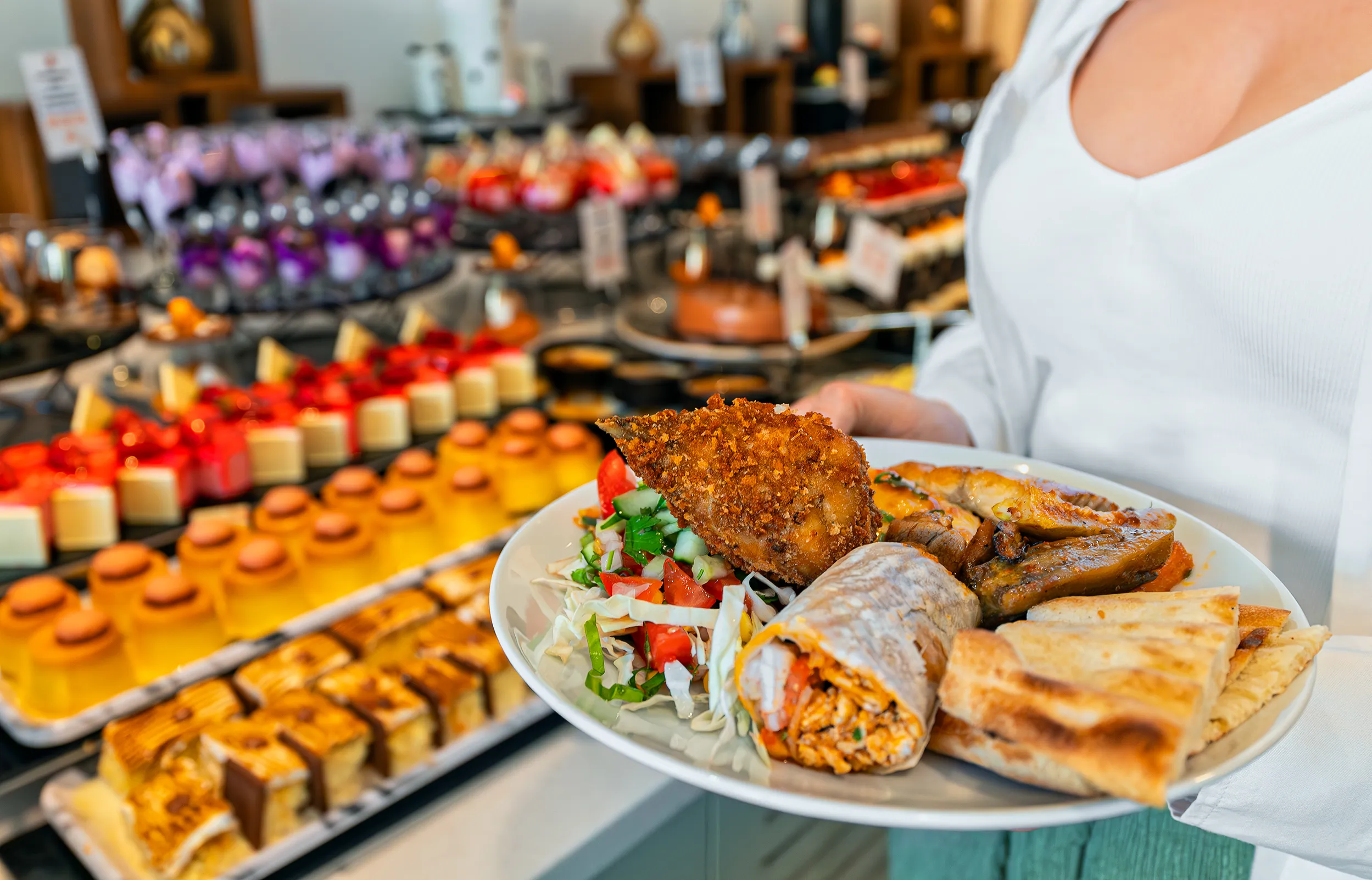
Heavy, hot lunch service is the wrong call on a heatwave day. Lighter, cooler catering options and more frequent water and ice availability are simple changes with an outsized impact on delegate wellbeing — but they require catering teams to be briefed and stocked in advance, since demand for ice and cold drinks spikes fast across a whole region at once during a heatwave.
The takeaway for planners
- Brief caterers on lighter menu options ahead of forecast heat, rather than adjusting on the day.
- Order extra ice and cold drinks earlier than usual — regional shortages are common once a heatwave warning is issued.
- Increase the number and visibility of water stations, particularly near breakout rooms and registration areas.
Lesson 5: Travel disruption is part of the contingency plan
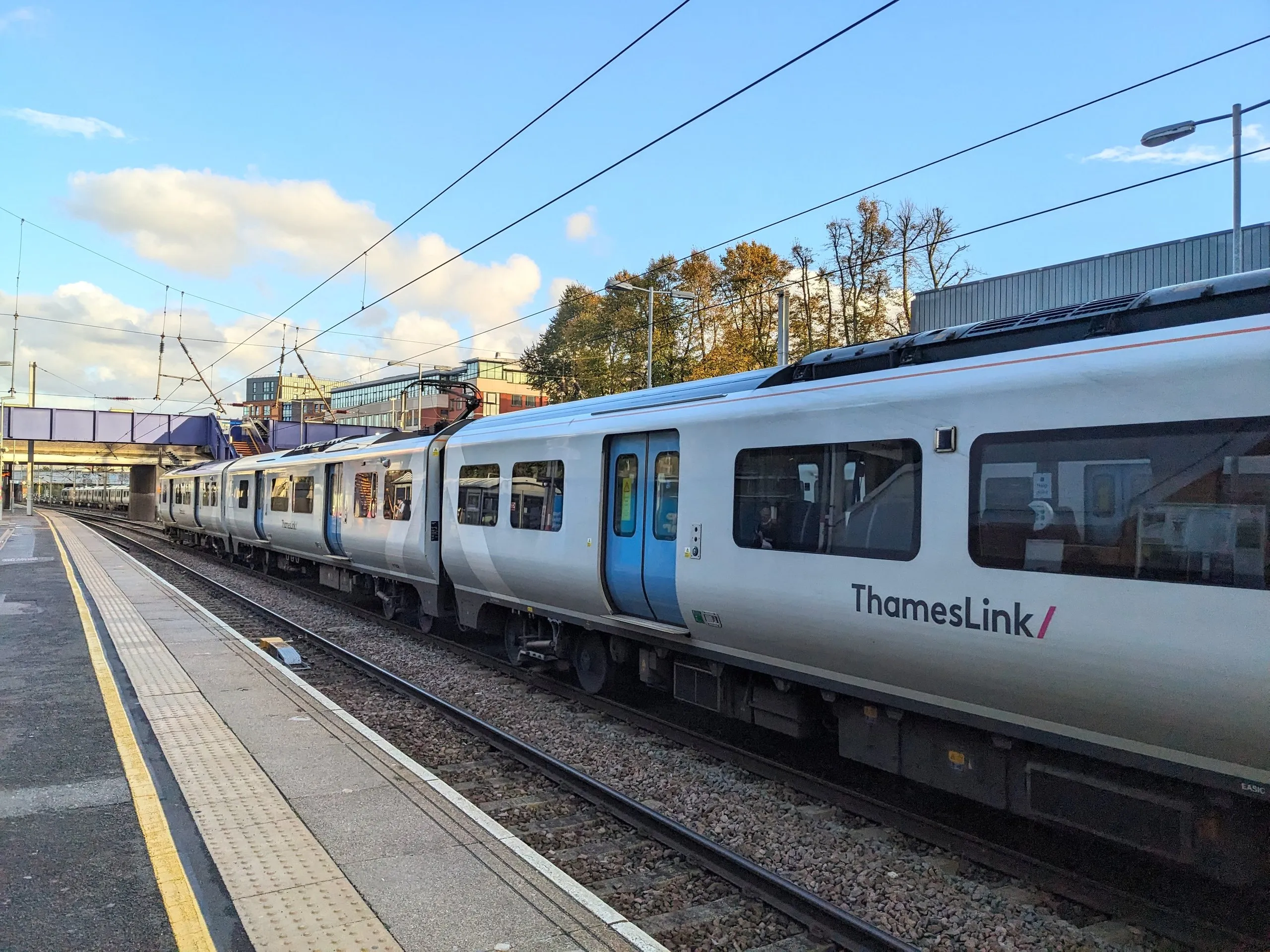
UK heatwaves frequently bring rail speed restrictions, delays and cancellations alongside the heat itself – a significant risk for events that depend heavily on delegates travelling by train.
For example, between the 24-26 June only 82% of planned rail services ran and many services throughout the heatwave have been delayed.
The takeaway for planners
- Monitor rail and travel advisories in the run-up to the event, and communicate proactively with delegates about potential disruption.
- Have a plan for delegates arriving late or needing to leave early due to travel issues — flexible registration windows, recorded sessions, or staggered start times can help.
- For events reliant on a single transport route, consider building slack into the schedule on the day itself.
Staff welfare matters too
Event crews working outdoors or in poorly ventilated venues all day face the same heat risks as delegates, and their wellbeing is often overlooked in planning. Shift rotations, mandatory hydration breaks, and appropriate dress code adjustments for staff should be built into operational planning alongside delegate-facing measures.
The bigger picture
Extreme heat in the UK is no longer a freak weather event — it’s a predictable seasonal risk that organisers need to plan for with the same rigour as any other contingency.
Venues that invest in reliable cooling and organisers who build flexibility into scheduling and delegate welfare from the outset are the ones best placed to keep events running smoothly, whatever the forecast.