

Women make up 77% of the global events workforce, yet hold only 16% of leadership roles. The imbalance is well known, but the women driving this industry forward are still too often overlooked.
The 70% is a weekly series dedicated to changing that. Each instalment profiles a woman whose work, insight, and ambition shape the events sector – from emerging talent to established leaders. Through their stories, we explore the pathways, challenges, and perspectives defining what leadership looks like today.
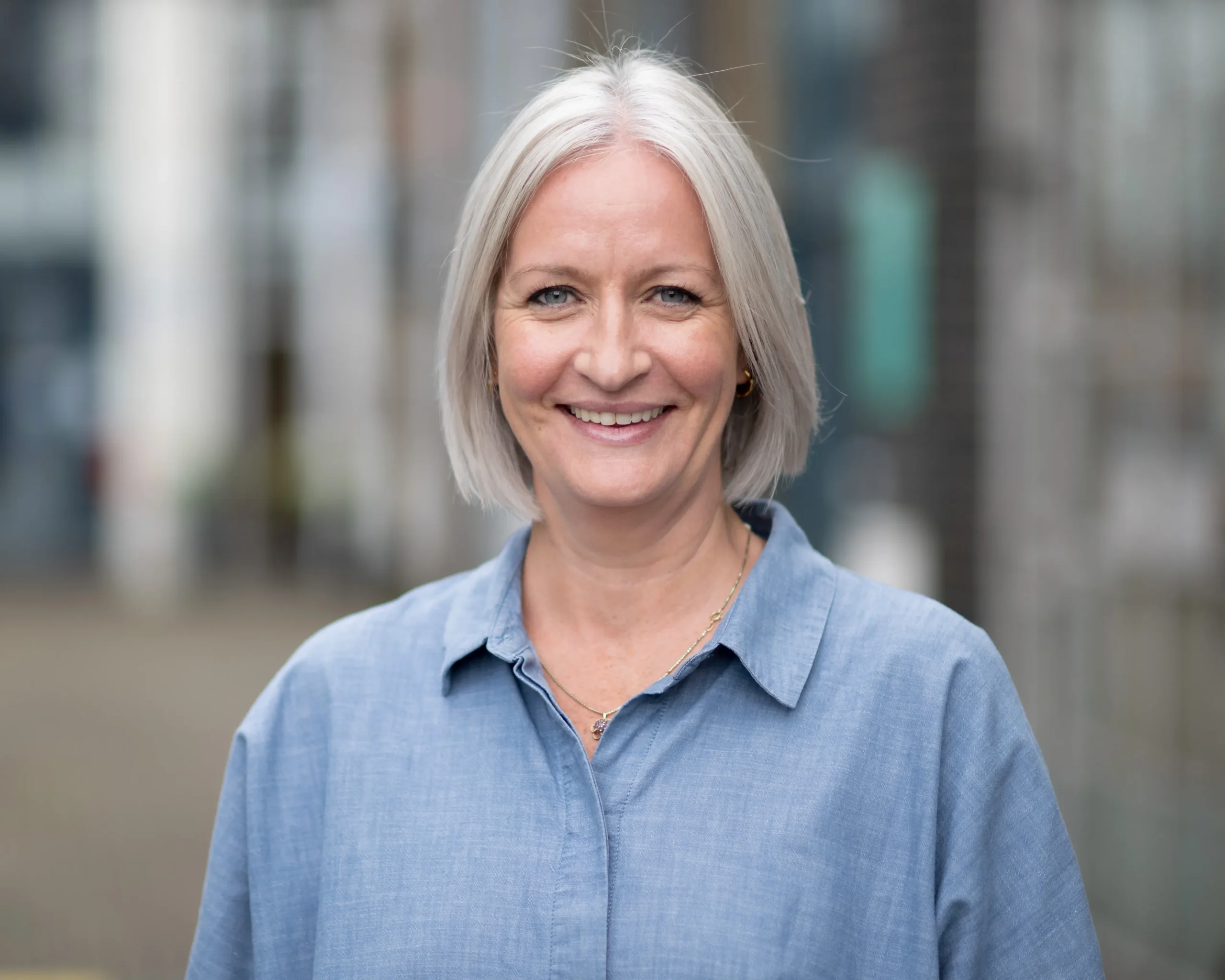
This week we meet Sarah Yeats, managing director of Sledge.
How many years have you been in the events industry?
22
How do you balance professional growth with personal commitments and do you think the industry is evolving in terms of work life balance?
For me, achieving that balance is all about being intentional. When you’ve been in the industry for over two decades you realise growth doesn’t just come from saying yes to everything, it comes from knowing when to say no as well. I’ve learned to protect time that matters, whether that’s for family, friends or simply switching off properly, because if you don’t create boundaries, the industry will happily take every hour you give it.
I’m also a big believer in leading by example. If I expect the team to respect their own time and wellbeing, I have to practice that behaviour myself. That means being present when I’m at work, and actually taking the time out on weekends or when I’ve booked some annual leave (which can be hard, trust me!).
In terms of evolving, the industry has definitely done so since the pandemic. While our roles do still tend to exist outside the typical 9-5 in the lead up to busy project periods and while onsite, there’s a lot more emphasis on the work-life balance. So much so, employers really need to embed flexibility into their policies if they’re to attract and retain top talent, as it’s absolutely something people look for now.
At Sledge, for example, we have office days, WFH days and a day to explore events and activations around the city each week, plus initiatives like dynamic working, where employees can change up their hours depending on personal commitments and to service clients in other time zones, meanwhile extra days off are tailored to individuals’ passions and responsibilities outside of work – whether that’s to attend a school play or enjoy a calendar event like Valentine’s Day.
How do you see the events industry evolving in terms of diversity, equity and inclusion?
I do hope we see increased opportunities for women in leadership roles, but I don’t feel there are clear pathways or concrete support networks out there just yet that enable them to work towards those more senior positions, and also navigate them once they get there.
While formalised event management degrees have proliferated over the years, if they are a prerequisite for a role I do see this as a barrier to entry for underrepresented groups. It’s why I’m of the view that while degrees are great, it’s the right attitude and personality traits that are key to success in our world, and I have seen this being championed more and more, which is great.
What advice would you give to young women looking to enter and succeed in the events industry?
Be curious, resilient and don’t wait for permission.
This industry rewards people who get stuck in, so say yes to the opportunities that stretch you, even if they feel slightly beyond your comfort zone – some of the biggest leaps in my career came from backing myself before I felt 100% ready.
Equally, build your network early and properly. Relationships with clients, suppliers and peers are everything in our sector, and the way you treat people on the way up genuinely matters.
Finally, don’t try to mould yourself into what you think leadership “should” look like. There isn’t one template, and your unique style, way of seeing things, and lived experience are your strengths, so own them.
How do you handle setbacks and failures?
With perspective, pace, and a thick skin.
I always aim to remind myself that things don’t always go to plan in our industry – it could be that a supplier drops out, maybe a creative idea doesn’t land as you’d hoped, or perhaps a pitch you’ve poured your heart into doesn’t convert – but that’s the nature of events. I also try to approach setbacks analytically rather than emotionally. What can we learn? What would we do differently? How do we tighten the process next time? There’s always something positive to take away.
At the same time, I’m human. I care deeply about what we create at Sledge, so I’ll always give myself a moment to feel the disappointment before moving on, and encourage the team to process any less than favourable news in their own way too.
For me, this is because resilience and continuous growth aren’t about a lack of feeling, they’re about learning, adapting, and heading into the next job stronger than the last.
What changes do you think are still needed to create more opportunities for women in leadership?
We need to better highlight the career opportunities available to women in the industry, and support one another, as more voices can lead to greater change. It’s all about collaboration over competition in these instances, as we’re all working towards a common goal: to benefit our industry and ensure it’s in good hands for decades to come.
I’ve got a great group of industry ladies who often come together in this way, but we need to formalise, advocate, and do our own PR a little to highlight the value we add, and share our learnings and experiences so we can best equip our own agencies with the tools and resources to support our people.
There’s also work to be done in terms of changing peoples’ mindsets and highlighting how and why women are just as capable as men, even if they need to duck off early for a school pick up or take time out for maternity leave. Good work isn’t defined by gender, nor should it be determined by it, and I think that’s something we really need to shout about more.