
By Katy Worwood, commercial partnerships, sales and marketing at Barts North Wing.
For years, the success of an event was measured by the scale of the celebration. The grander the venue, the finer the dining, the more extraordinary the entertainment, the better the event was assumed to be. Those elements still have their place. But the events people actually remember are now defined by something harder to put a figure on: meaning.
In an increasingly digital world, gathering in person has never counted for more. Even so, a celebration needs a reason to exist. Purpose is what justifies the time people give up to attend, and increasingly it is what justifies finding the funds in the first place.
Businesses are rationalising spending more than ever. Budgets are tight and elaborate celebrations are often the first thing to go. The good news is that meaning can be designed into an event rather than hoped for, making it more purposeful, more memorable and more useful to the business. Done that way, a celebration stops being a discretionary line item and starts earning its place.
Whether it is a gala dinner, a company anniversary, a leadership conference or an awards ceremony, organisations are under growing pressure to ensure their events reflect not just their ambitions but their values. Stakeholders now expect tangible commitments to sustainability, social responsibility and community impact. In many cases, the event itself has become the most visible expression of an organisation’s ESG strategy.
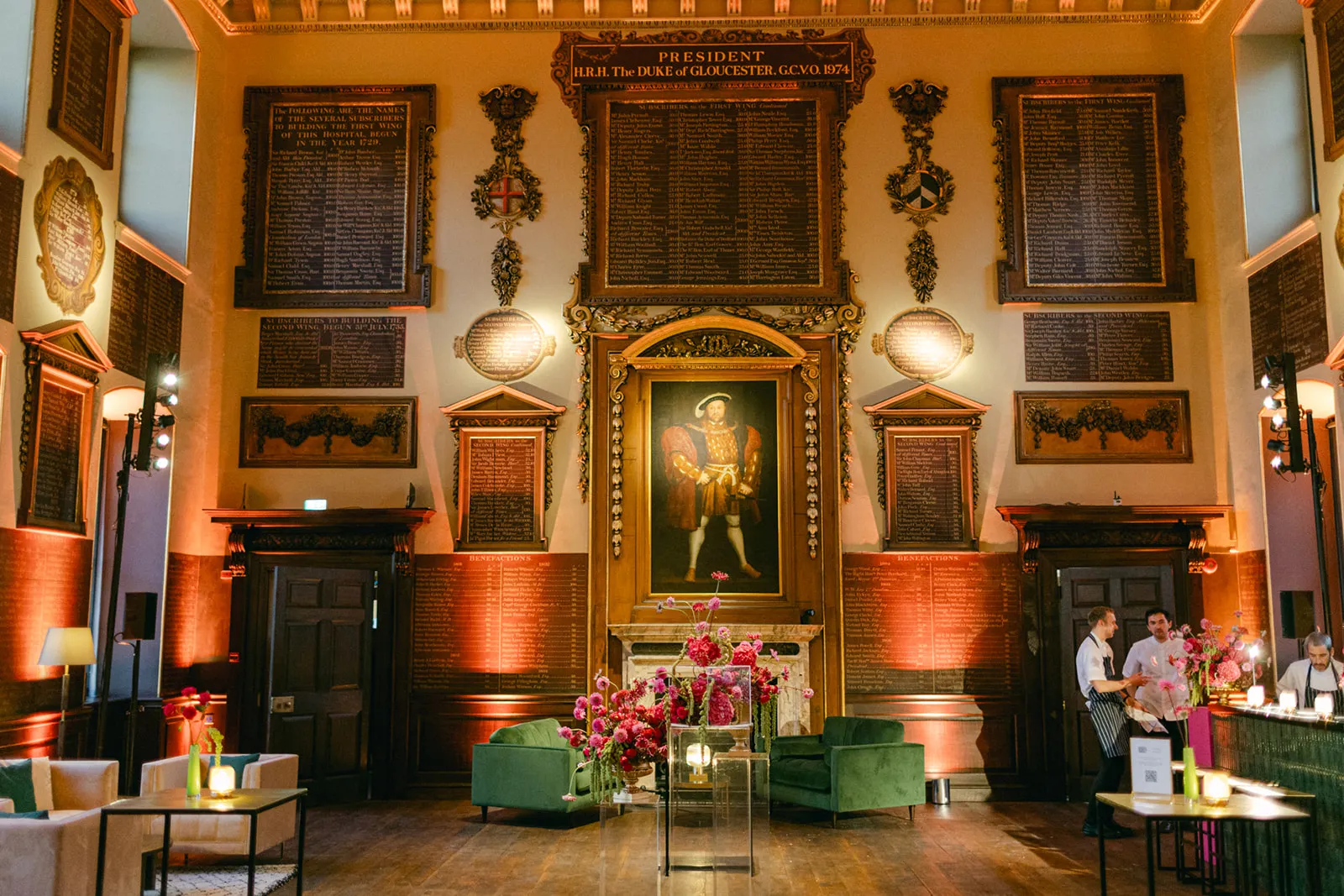
That starts with the venue. Historic buildings have long been the places where businesses and communities gather, share, celebrate and honour, but heritage alone is no longer enough to inspire a room. The choice should come down to the stories a building can tell honestly, and the work it does to put something tangible back into the community around it. Aligning a venue with a business’s core values has never mattered more, and it is something we pride ourselves on at Barts North Wing.
The next step is embedding the same thinking into the guest experience. That means working with caterers, entertainment providers and suppliers who give back to the places they operate in, whether that is sourcing locally, cutting waste or offering routes into work for people who need them.
Spending time on these details matters, and not only because it meets ESG objectives. It gives guests the sense that they are playing their part in a bigger story. One where events contribute to the world around them rather than simply taking from it. These decisions can seem small in isolation. Collectively they are the difference between an event that feels authentic and one that feels performative.
Some of the most memorable moments at an event are not in the production schedule at all. They happen when people come together around a shared purpose. We have seen organisations build in charity auctions supporting healthcare initiatives, fundraising raffles, donation matching, volunteering commitments and partnerships with local community organisations. Guests increasingly value the chance to take part in something rather than simply attend it. Instead of another awards dinner, they become part of an evening that creates genuine social value.
When organisations choose venues with a real social mission, collaborate with responsible suppliers and create opportunities to support communities, their celebrations become an authentic reflection of their corporate values. The result is not simply a better event. It is a more credible business story.
The events industry has never struggled to create unforgettable moments. The challenge now is making sure those moments create lasting value too.
Businesses investing significant sums in celebration have an opportunity to leave a legacy that outlasts the photographs, the speeches and the social media posts. Choosing venues that contribute to society, supporting charitable causes, embracing sustainability and placing wellbeing at the heart of the guest experience all make the same point: celebration and responsibility are not opposing ideas. Increasingly, they are inseparable.
It is a principle we work to at Barts North Wing. Funds from the events held here go directly into our creative health and wellness programme, supporting the patients and staff of St Bartholomew’s Hospital. I would encourage more venues to ask themselves the same question: what will this building leave behind? Celebrations have always brought people together. The best of them now give that gathering a purpose that outlives the night.