

On Sale Live ’26 conference returned for its second year with an upbeat focus on the continued strength of the experience economy. Leaders from the ticketing, live events and entertainment sectors explored how the industry is continuing to drive consumer spending despite evolving audience behaviour and marketing challenges.
The discussions come as global spending on travel experiences alone is estimated to have reached as much as $1.3tn.
The growing role of PR and storytelling
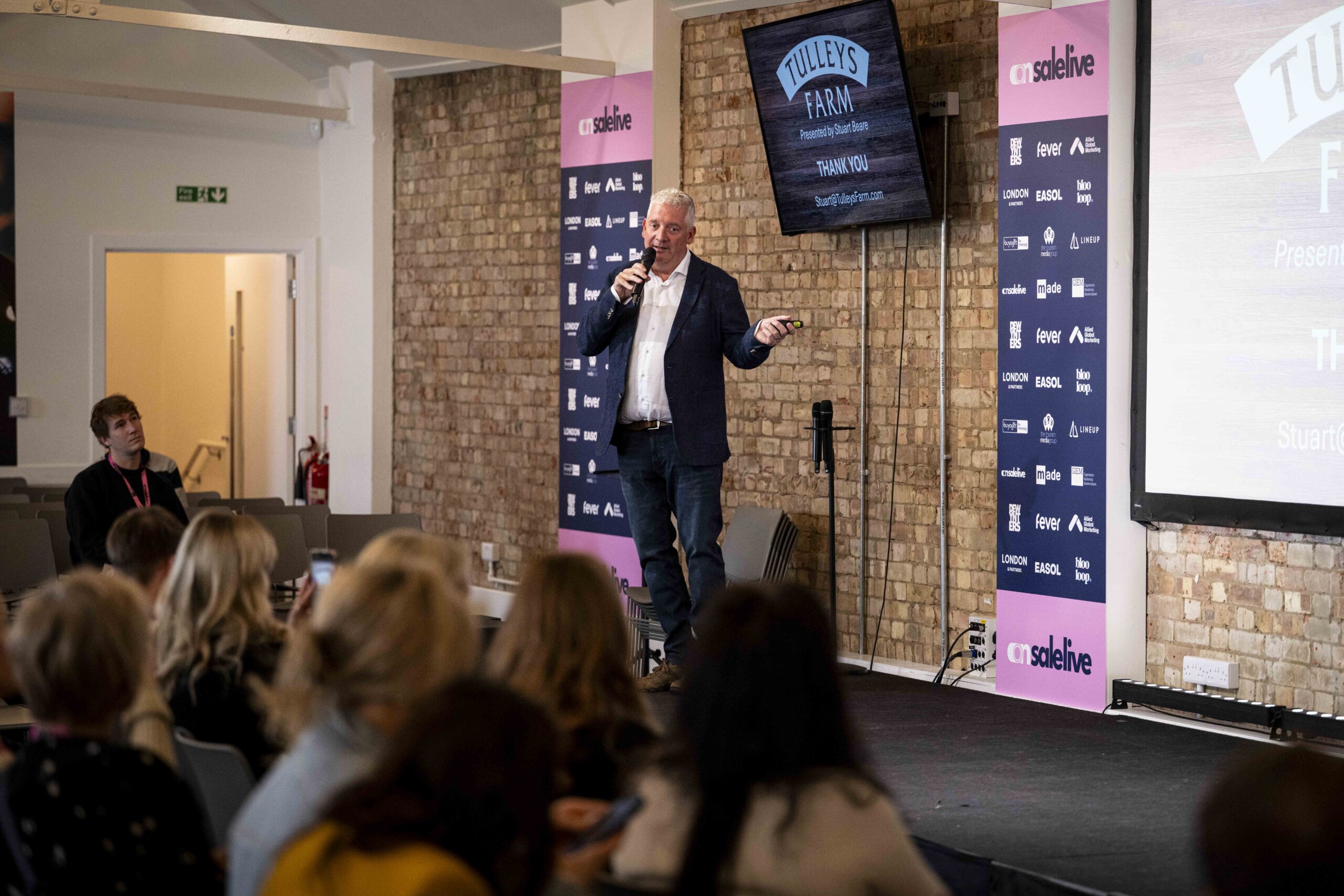
One of the main themes to emerge from On Sale Live ’26 was the growing role of PR, storytelling and brand identity in driving ticket sales. Speakers suggested audiences are becoming less responsive to traditional advertising alone, particularly as social media becomes more saturated and paid marketing costs continue to rise.
The point was reinforced during a keynote session from Stuart Beare, who explained how storytelling and PR helped Tulleys Farm recover from financial difficulties and rebuild audience demand. He said the business moved away from relying heavily on traditional advertising and instead focused on creating experiences people would talk about, share online and engage with beyond the event itself.
Social media was highlighted as playing a huge role in Tulleys Farm’s success, helping the business generate visibility, conversation and repeat engagement far beyond traditional advertising alone.
Panellisits argued that attractions and live experiences now need a stronger narrative to encourage audiences to spend both time and money. Rather than simply selling tickets, operators are increasingly trying to build anticipation, cultural relevance and emotional connection before events even go on sale.
Several speakers also agreed that audiences now expect more than a straightforward sales message. PR, creator partnerships and community engagement were repeatedly highlighted as increasingly important, especially as consumers become more selective about where they spend.
Attractions becoming the destination
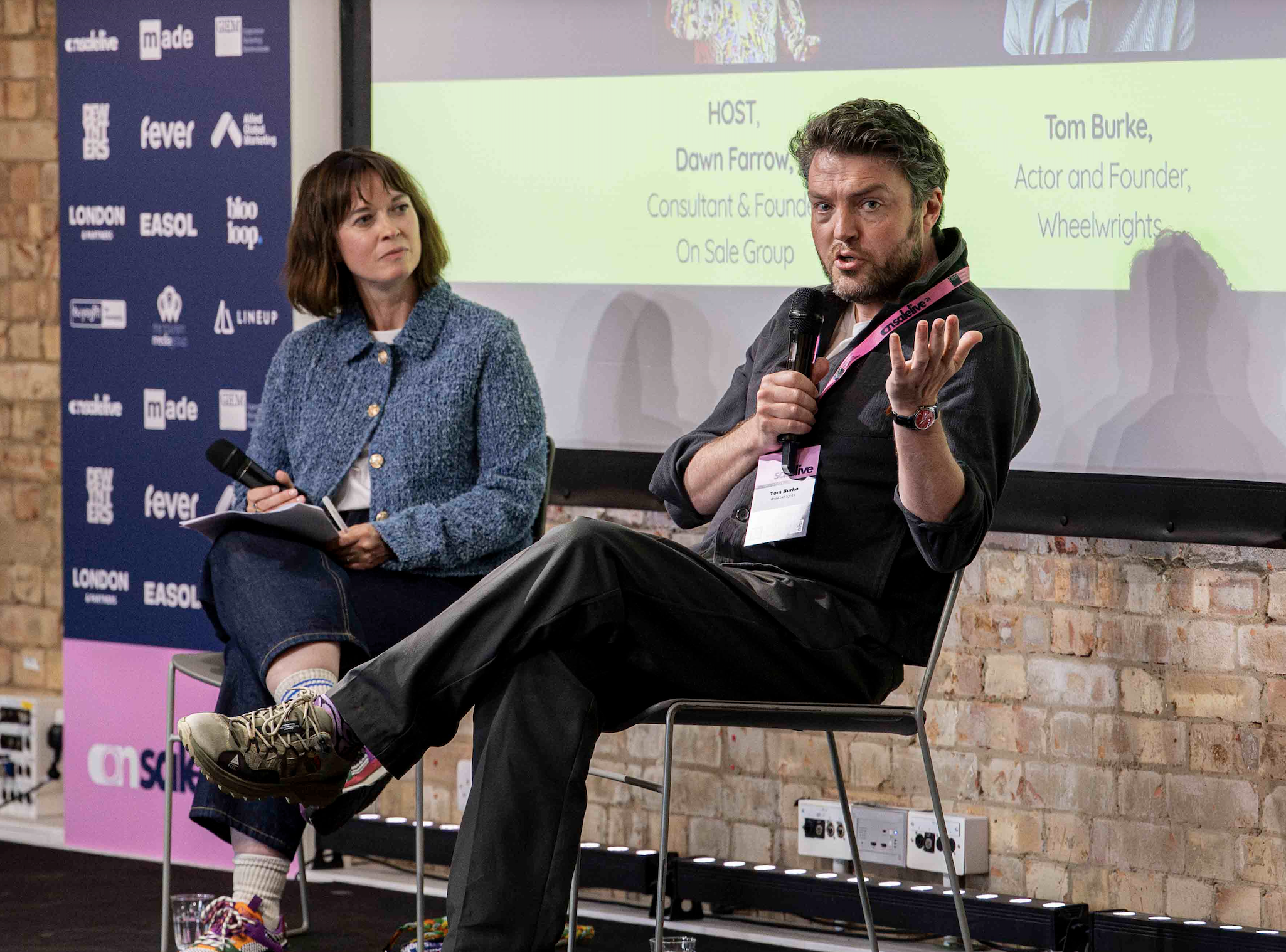
Another recurring theme across the conference was the shifting relationship between destinations and attractions, with several speakers arguing that consumers are increasingly choosing the experience first rather than the location itself.
Panellists suggested that attractions, immersive events and live experiences are now becoming the centre-piece of travel planning, with itineraries increasingly built around a specific attraction or event rather than a destination alone. Rather than choosing a city first and deciding what to do afterwards, audiences are selecting experiences they want to attend and then planning trips around them.
Speakers pointed to the continued growth of immersive experiences, themed attractions and large scale live events as evidence of the shift, particularly among younger audiences seeking unique, social and shareable experiences. Operators are therefore under growing pressure to create concepts strong enough to justify travel and overnight stays.
The trend is also reshaping destination marketing strategies, with tourism bodies, venues and attractions placing greater emphasis on partnerships and experience led campaigns designed to position events and attractions as primary travel drivers rather than secondary additions to a trip.
Film, television and fandom driven tourism
Speakers also pointed to the continued rise of film, television and fandom-driven tourism, with attractions linked to major franchises and screen locations becoming increasingly important drivers of visitor demand and revenue growth.
Film and TV-driven tourism (screen tourism) is now one of the fastest growing parts of the UK visitor economy. The latest available data shows screen tourism contributes an estimated £892m annually to the UK economy, according to research from the British Film Institute and tourism bodies.
Several panellists noted that audiences, particularly international visitors, are increasingly travelling specifically to experience locations connected to popular television series, films and entertainment brands. Authenticity was highlighted as key, with consumers looking for experiences that help them connect more directly with fandoms, fictional worlds and cultural moments they already care about.
The trend has helped fuel growth for attractions, themed experiences and destinations able to capitalise on established fan communities, particularly as streaming platforms continue to expand the global reach of entertainment brands. Speakers suggested the appeal goes beyond traditional sightseeing, with visitors now building entire itineraries around screen-related experiences, immersive environments and franchise led attractions.
For operators and destinations, the commercial opportunity was described as significant, not only through ticket sales but also through longer stays, secondary spending and repeat visitation generated by highly engaged fan audiences.
Dawn Farow, founder of On Sale Live, said: “The experience economy is growing faster than the resources and budgets marketing teams are being given. At the same time, organisations are facing declining return audiences, longer ticket-buying journeys, and the challenge of reaching customers before they even arrive in the UK. What stands out most is the community we’ve built in such a short time, a committed group of professionals showing up every day determined to find smarter ways to sell tickets.”