

Women make up 77% of the global events workforce, yet hold only 16% of leadership roles. The imbalance is well known, but the women driving this industry forward are still too often overlooked.
The 70% is a weekly series dedicated to changing that. Each instalment profiles a woman whose work, insight, and ambition shape the events sector – from emerging talent to established leaders. Through their stories, we explore the pathways, challenges, and perspectives defining what leadership looks like today.
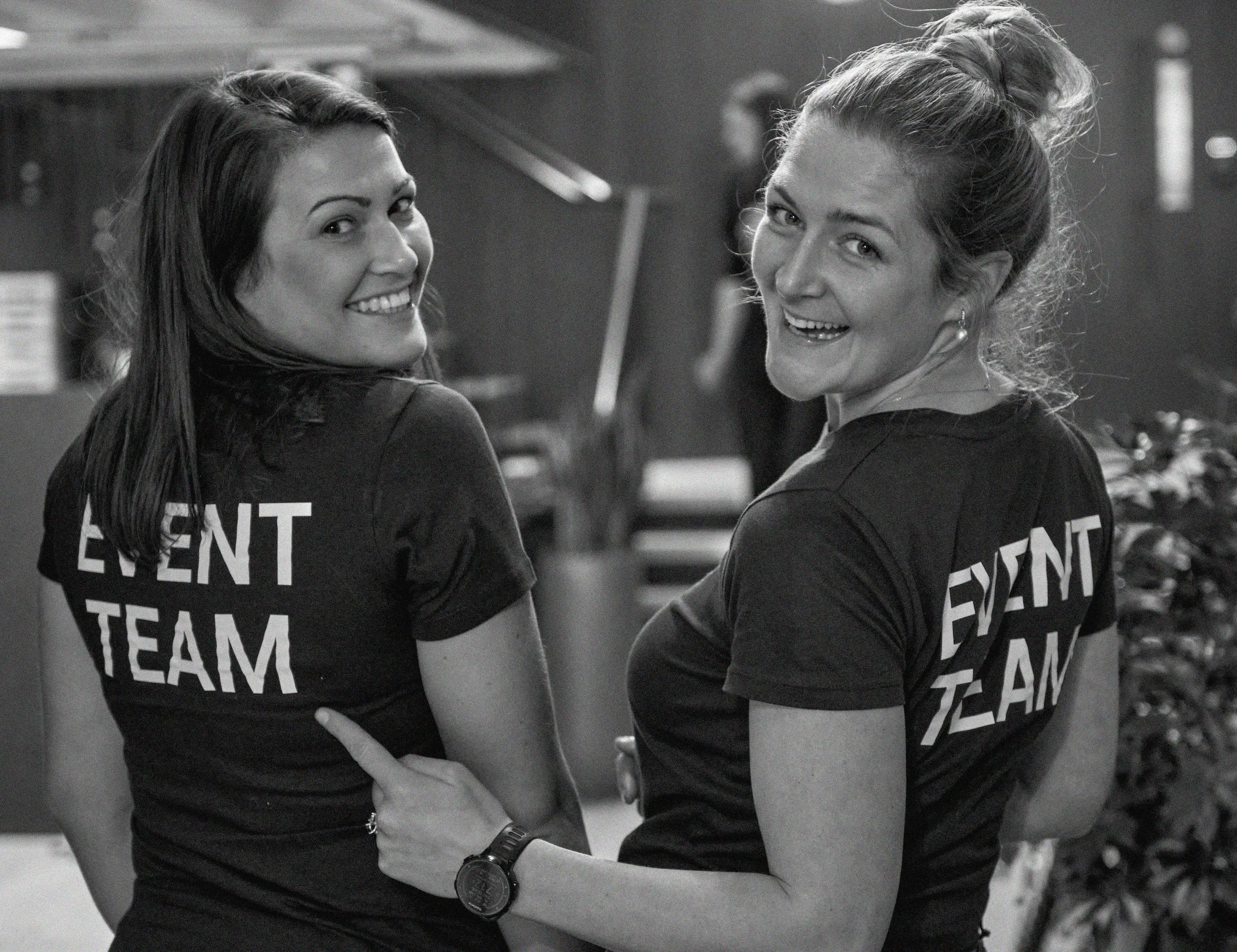
This week, we meet Phoebe Cherry and Lily Jones, directors and co-founders of Strive Events Agency.
How many years have you been in the events industry?
Phoebe: After 3 or 4 years of what I call ‘unofficially’ working in events; including hospitality roles and organising university events, I landed my first official role in the industry back in 2011, so I’ve been working in the industry for 15 years now. I started in producer and project management roles before quickly moving into leadership, and then founding Strive in 2021.
Lily: Over a decade and counting. I often say it’s an industry I entirely fell into off the back of a great chat with my friend’s dad at my Graduation, over more than one glass of champagne.
How do you balance professional growth with personal commitments and do you think the industry is evolving in terms of work-life balance?
Phoebe: Something I was too scared to do in my 20s was say “no” to things. I wanted to solve every problem and prove myself so badly that I’d say yes to everything that came my way. I sacrificed more and more of my personal time, ultimately creating a cycle of burnout. Over time, I slowly gained confidence and started to recognise that saying “I don’t have capacity for that” could actually benefit me, personally and professionally. I think the industry is definitely evolving in terms of work-life balance, we’re collectively learning what boundaries are, how to say no, and the younger generation these days are far better than we were back then.
Lily: For me, it’s less about finding a perfect balance and more about being intentional with my time and accepting the blurry lines. Running a business alongside raising my daughter means there will always be competing priorities, so I’ve had to become comfortable with setting boundaries and asking for support. One boundary I protect is keeping every Friday meeting-free. That’s my family day, with no work deadlines or commitments competing for my attention.
I believe that Strive has been built to complement busy lives, with as much personal accountability and flexibility as possible.
I do think the industry as a whole is evolving. There’s much more openness around flexibility and wellbeing than there used to be, although there’s always still progress to make, particularly in an industry known for long hours and high-pressure periods. I’m really proud that Strive makes wellbeing a priority, and we’ve built it into the events agency we wished we could’ve worked at when we were starting our careers in the events industry.
How do you see the events industry evolving in terms of diversity, equity and inclusion?
Phoebe: From when I started in the industry to right now, I’ve seen a lot of positive movement towards a more inclusive industry. There’s always more to be done and, in terms of gender equality, I still occasionally hear stories from women in the industry about unconscious bias and remarks about being “too emotional.” I’m really proud to have an entirely female team at Strive and I love proving day-in, day-out that women in events are shit-hot at what they do.
Lily: I’d like to see more women and people from underrepresented backgrounds in senior leadership positions across the events industry, where they can help shape decisions and the future of businesses. As a founder, I’ve been fortunate to carve out that space for myself, but I recognise that this is a privilege and the path into leadership isn’t equally accessible to everyone. I mentored through Fast Forward 15, which champions female talent in the events industry, and am part of Female Founders Rise, supporting women building businesses of their own. Stronger networks, visible role models and meaningful mentorship can help make leadership more representative of the talent already within our industry.
What advice would you give to young women looking to enter and succeed in the events industry?
Phoebe: I would advise everyone to back themselves. There is a lack of confidence generally that can hold people back, especially women. I think so many people make the mistake of thinking there is a wrong/right answer in events, but often there isn’t a hard and fast ‘right way’ to do something.
So back yourself, use your intuition, trust a good gut feeling and a dose of common sense and just do the thing. I would also say it’s really important to be curious about as many different areas of the industry as possible; go in the kitchens and learn about catering, go to the tech desk and badger your crew for knowledge and insights, volunteer at events or for yourself, so shake off any shame. Instead, fix it.
Ask yourself why it happened and then implement ways of working to prevent it happening again. Every mistake makes you smarter, stronger and more quick-thinking. So have compassion for yourself and, if you’re a leader, for your team. Creating a culture where mistakes can be admitted in a safe space is so important, and we are totally different and try to learn all the time.
Lily: Back yourself, stay curious and don’t worry if you don’t have everything figured out straight away. There will probably be moments when you think, “oh my god, I have no idea what I’m doing. How did I even get here?” I still have those moments too.
Knowing that even the people above you experience these feelings can hopefully help you walk into the room with a little more self-belief. Ask questions, learn from the people around you and don’t wait until you feel completely ready to put yourself forward, because most of us never do!
How do you handle setbacks and failures?
Phoebe: The thing about mistakes is: you will make them and continue to make them throughout your career. A saying I love is “nothing is ever as good or as bad as it seems”. So remember when you make a mistake tomorrow it will feel a lot less dramatic than today, and by next week everyone will have moved on including you. What really matters is how you respond to them and learn from them. Beating yourself up over something you forgot or misjudged isn’t good for the client.
Lily: I try to see setbacks as something to learn from, rather than something that defines me or the business. That doesn’t mean they don’t sting in the moment; they absolutely do. Once I’ve had a bit of space and a good night’s sleep, I try to look at what happened, be honest about what we could have done differently and work out what we’ll take forward. Setbacks are part of running a business. You won’t get everything right, but you can learn quickly, make the necessary changes and keep moving.
I’m personally an entirely solutions-focused individual, probably to my own detriment now spending enough thinking about the problem. But it does mean I have an ability to just crack on and solve setbacks or failures and keep driving momentum forward.
What changes do you think are still needed to create more opportunities for women in leadership?
Phoebe: Women shouldn’t have to become better at navigating a system that wasn’t designed for them. We should keep improving the system itself through things like flexible working and return-to-work policies.
As well as the system it’s about rethinking what leadership looks like, which I think the world is getting better at but it seems to differ company to company. Confidence, volume and assertiveness can still be mistaken for leadership potential. Empathy, collaboration, emotional intelligence and the ability to bring people with you are incredibly powerful leadership qualities too.
Lily: We need more flexibility, more visible role models and a better understanding that there isn’t just one route into leadership. Women shouldn’t have to choose between progressing in their careers and having commitments outside of work. But also, businesses also need to actively champion women, rather than waiting for them to feel confident enough to put themselves forward. Sometimes it takes someone else saying, “You’re ready for this,” for you to believe it yourself. Creating more opportunities means being intentional about giving women the support, encouragement and space to lead in a way that feels true to them.