

Women make up around 70% of the global events workforce but their stories, leadership, and influence are often underrepresented. The 70% is a weekly series celebrating the women shaping the events industry. From rising stars to seasoned leaders, each profile shines a light on the career journeys, challenges, and perspectives of women working across all corners of the sector.
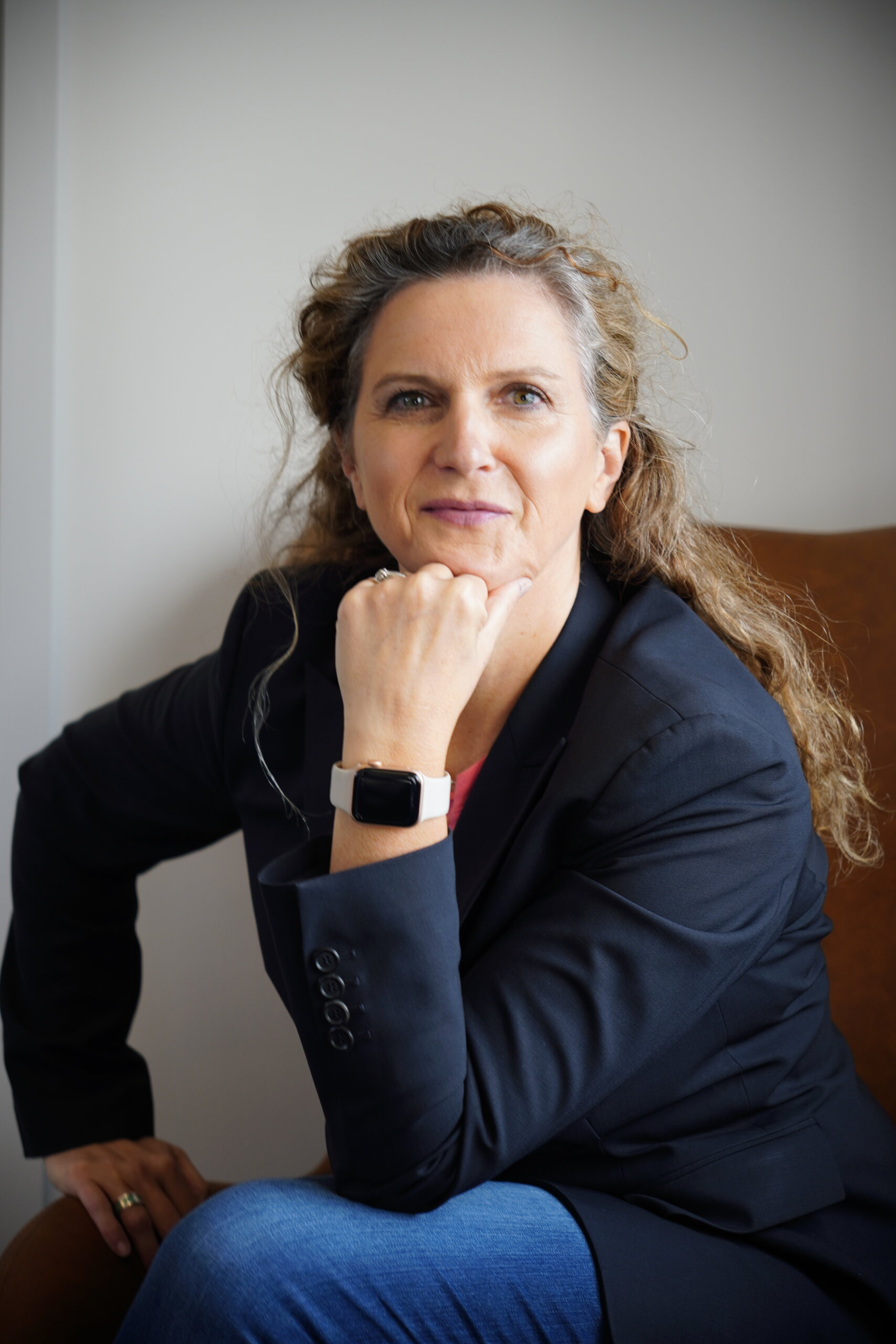
In this week’s edition, we speak to Claudia Stephenson, managing director, EMEA, INVNT.
How many years have you been in the events industry?
I’ve been in the events industry for over 25 years. It’s been an incredible journey across agencies, brands, and global markets, and I’m just as passionate about the power of live experiences today as I was when I started. In that time, I’ve seen the landscape shift dramatically, from analogue beginnings to immersive, tech-forward experiences that now span the globe. It’s a space that constantly evolves, which keeps it exciting and endlessly inspiring.
How do you balance professional growth with personal commitments, and do you think the industry is evolving in terms of work-life balance?
Balancing professional growth with personal commitments is an ongoing and intentional effort. Leading a global agency and managing regional teams comes with intensity, so I’ve learned the importance of setting clear priorities and boundaries, and of creating space to recharge. I also believe in leading with empathy, both for myself and for my team. The events industry hasn’t always had the best reputation for work-life balance, but I’m encouraged by how it’s evolving. We’re seeing more conversations around mental health, flexible working, and sustainable practices, not just for the planet, but for people too. There’s still work to be done, but flexibility and empathy are becoming more deeply embedded in our culture.
How do you see the events industry evolving in terms of diversity, equity, and inclusion?
The conversation around diversity, equity, and inclusion has grown louder in recent years, and rightly so. But talk alone isn’t enough. At INVNT, we’re proud to partner with initiatives like Brixton Finishing School that actively open doors to underrepresented talent. We’re committed to moving beyond performative gestures and investing in long-term, meaningful change, whether that’s through inclusive recruitment practices, centring underrepresented voices in our storytelling, or creating pathways for diverse leadership. There’s progress, but systemic imbalances remain, and it’s critical that we keep up the momentum.
What advice would you give to young women looking to enter and succeed in the events industry?
Back yourself, unapologetically. Be bold, stay curious, and don’t wait for permission to speak up or take space. This is an industry built on relationships, resilience, and creativity, and women bring immense value to the table. Find mentors and allies, build your network, and trust your instincts, especially when it comes to creative decision-making. Someone told me years ago, “Find mentors and supporters to build your personal Non-Exec / Board of Directors”. Build your personal Non-Exec with those you respect, trust and can learn and grow from. The path may not always be linear, but every experience counts. The events industry can be demanding, but if you’re passionate, persistent, and people-oriented, it’s one of the most rewarding places to build a career.
How do you handle setbacks and failures?
Setbacks are part of growth. I’ve learned to see them not as roadblocks but as redirections. In a high-stakes industry like ours, things don’t always go to plan, but it’s how you respond, learn, and adapt that defines your trajectory. Resilience is everything, and building a strong team around you helps make those moments constructive rather than crippling. Ask yourself “What can I learn today?”, because no matter your experience and seniority, we are all constantly learning. And if you’re not, then challenge yourself to find a role where you can consistently learn.
What changes do you think are still needed to create more opportunities for women in leadership?
We need to address the full pipeline, not just who’s at the top, but how we’re supporting women from the very start of their careers. That means breaking down barriers to entry, particularly for those from underrepresented backgrounds, and creating clear pathways to leadership. Initiatives like Brixton Finishing School are crucial in this space, helping to diversify the talent pool and ensure more women, and more diverse women, have the opportunity to rise.
Beyond that, we need to actively mentor and sponsor women, ensure pay equity, and design leadership roles that are compatible with real life, not just for those who can work around the clock. We also need to challenge outdated expectations about what leadership looks like. When we create space for different styles of leadership and back that up with real support, we’ll see more women not only step into leadership roles but thrive in them. I mentioned empathy earlier, and reiterate this practice. As a mum of two, and a growing team of parents with young children, remember flexibility, adaptability and understanding how stressful balancing life & successful career can be.