
Over the course of the CN 30underThirty programme, Conference News will be speaking to members of the programme about their professional journey and the causes they’re championing to shape a more inclusive, forward-thinking industry.
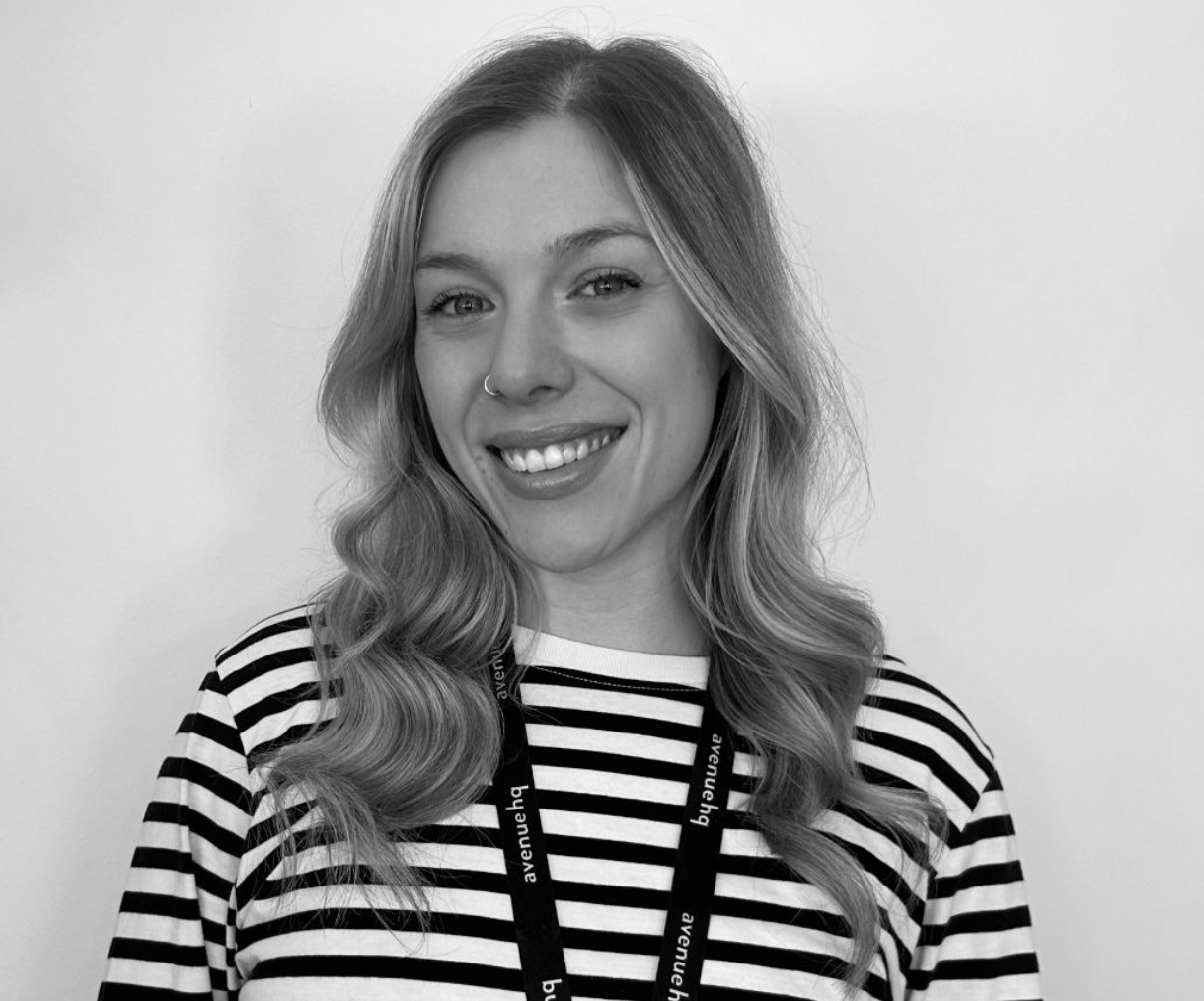
This week, we meet Dana Heard, event producer at Meet and Potato. She discusses her passion for celebrating neurodiversity within workplaces, as well as the events that we produce.
What made you want to get involved in the industry and why?
I started doing event promotion in my first year of university, and I never really looked back! I stayed in the industry, working as an in-house producer for corporates and independent venues before transitioning into agency work. I’ve seen our sector through a lot of different lenses, and that live events energy is a constant. The feeling you get when everything comes together is priceless. That’s what made me want to keep progressing in this industry.
What is the first career highlight that comes to mind?
Honestly, it’s hard to pinpoint a singular highlight, being involved in a secret Stormzy gig was definitely one of them – as well as working on the official EuroClub during Eurovision Song Contest 2023. More recent highlights include delivering an awards evening on a cross-channel ferry and completing my first incentive event in Malta.
Being able to say I’ve been involved in such a variety of different events in different forms is a highlight in itself.
What have you learned about yourself since entering the events world?
That I thrive under pressure… but I need to be careful not to live in it.
Our industry is really tiring, and we push ourselves because we’re passionate and we love what we do. But burnout is a massive topic of conversation in the industry, and something I’d love to change. Throughout my career I’ve learnt it’s important to draw your own boundaries on what works for you. There’s no right way to do this job and the best results come from a mix of different brains, working together in different ways.
If you could give your younger self one piece of advice when starting out in events, what would it be?
It’s never a one-person show, and it really never should be because the best events are created through an emulation of different creative ideas, viewpoints and lenses.
Also, things will always go wrong, and it will still be fine – probably better than fine! We work in an industry where we want things to be perfect. As an attendee you don’t see the cogs constantly churning in the background making it happen, and you don’t see the mistakes. But as event organisers, we see it, overanalyse it, debrief on it and learn from it. And sometimes the learnings are a better outcome than perfection!
How important are schemes such as CN 30 Under Thirty and do you believe the industry does enough to support young professionals?
They’re really important, especially in an industry where people are often too busy to stop and recognise what they’ve achieved.
It’s so easy to go from one event straight into the next without ever pausing. Recognition like this gives us a moment to reflect and feel proud of the work we’re doing. It also creates a space for people of a similar age group who are experiencing similar things to be able to come together and think, ‘oh, it’s actually not just me that feels like this!’
In terms of support, I think the industry is progressing but there’s still more to be done, particularly around burnout, realistic expectations and creating environments where people don’t feel like they have to constantly push past their limits to succeed.
How do you see the events industry changing over the next five years, and how do you want to be part of that change?
AI is really shaking things up in our industry. It’s ever evolving and seems to be progressing at lightning speed.
That said, I think the biggest change will be around adaptability. To keep up with the industry (and world we live in), we need to be flexible and open to doing things differently. By that I mean understanding everybody’s unique ways of thinking and encouraging people to suggest new ways of working if that means a more inclusive environment. It’s something I’m really passionate about and a change I really want to be a part of.
What is an issue or topic within the industry that you think is important and want to champion?
I’m a huge advocate for celebrating neurodiversity. Not just at an awareness level, but in how we recognise, work with and support people who might think a little differently. Late diagnoses have increased massively in recent years, which means the reality is that most of us are already working alongside neurodiverse colleagues, whether we realise it or not. The question now is: how do we create environments that actually bring out the best in that? Not just within our organisations, but within the events we produce.
We work in an inherently creative, high-pressure industry. We’re constantly juggling deadlines, deliverables, and targets. That kind of environment needs different types of thinkers. That mix is where the magic happens.
Why is this particular issue or topic important to you?
As someone who is neurodiverse, I know first-hand how hard it can be to work in environments that aren’t designed for different ways of thinking. But I also know how powerful it is when those differences are understood and supported. As we all know, burnout if one of the biggest issues in the industry, so creating environments that take a bit of that pressure off and actively work with people’s brains instead of against them seems the only course of action.
Some of my biggest strengths – creativity, problem-solving, the ability to think quickly under pressure – come directly from how my brain works. But those strengths only thrive in the right environment. When people feel understood rather than “managed”, everything improves; confidence, performance, and the work itself.
What do you plan to do to continue to champion the topic?
A lot of it comes down to everyday mindset and culture.
Raising awareness is important, but what matters more is what we actually do with that awareness. For me that’s encouraging open conversations, challenging the idea that there’s no one right way to work, and creating space for people to work in ways that suit them, whether that’s how they structure their day, communicate, or approach tasks. It’s all about building a safe space for people to say ‘this is how I work best’.
Longer term, I’d love to see more structured support whether that’s better training, clearer frameworks or more open conversations across the industry.
What can the industry itself do to better champion this topic?
I think it starts with shifting the narrative. Our industry thrives on creativity, and creativity comes from different ways of thinking. So instead of expecting everyone to fit into the same mould, we should be asking: how do we build environments that allow different people to thrive?
That means more education, more openness, and more flexibility in how we work and what we produce, not just ticking a box but actually embedding it into the culture. That, I think, is the best way to champion the topic.