
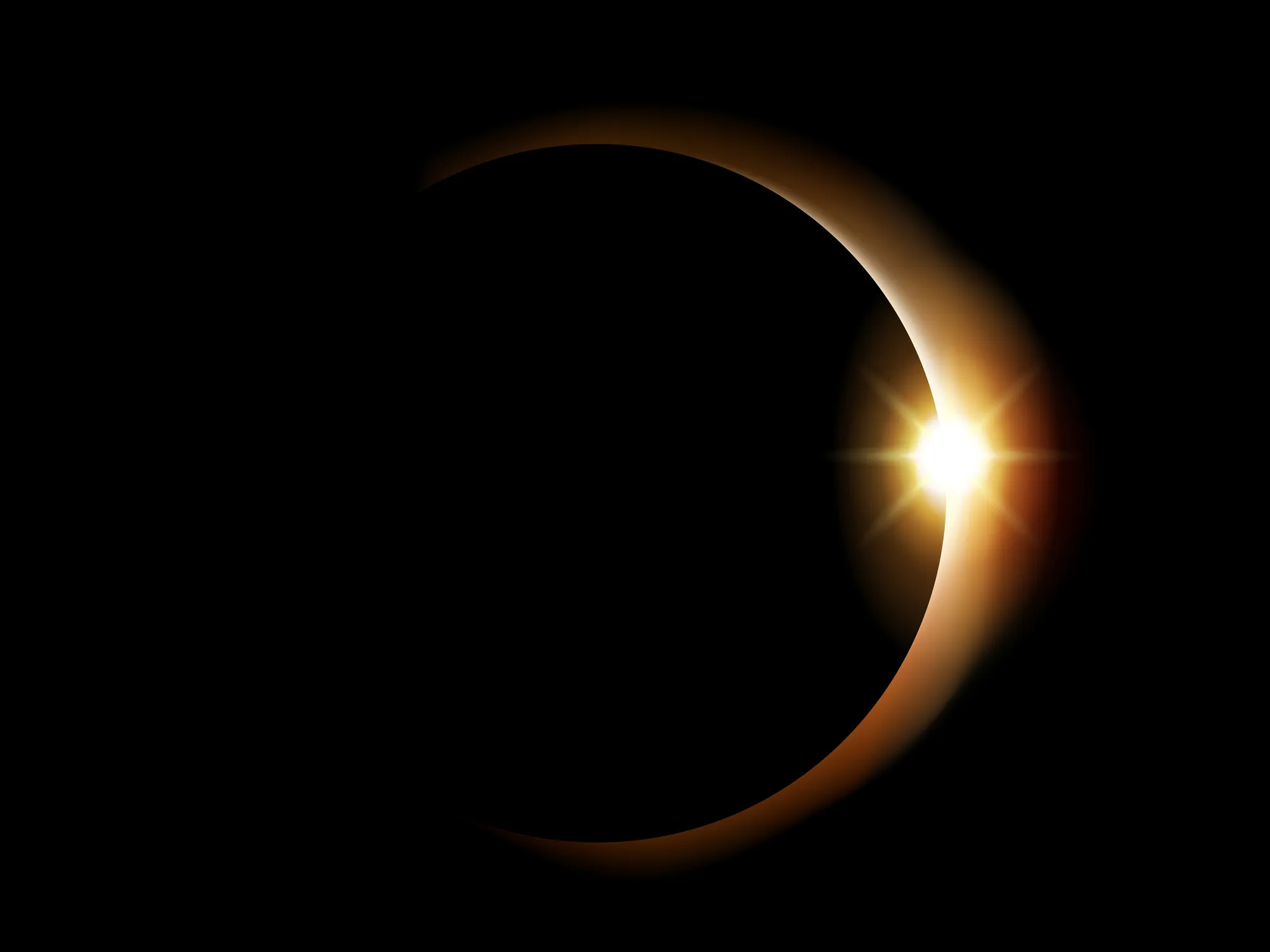
Welcome to the third instalment of What event planners can learn from…, a new CN mini-series pulling lessons for organisers out of the stories, shifts and disruptions playing out in the wider world. Third up: the solar eclipse.
For roughly two minutes on 12 August, the moon’s shadow crossed Greenland, western Iceland and a strip of northern Spain – the first total solar eclipse visible from mainland Europe since 1999. For everyone in the path, it was a spectacle. For anyone trying to run an event in Reykjavik, Bilbao or Palma that week, it was a masterclass in what happens when demand for a destination is set years in advance by something no organiser can move, negotiate with or reschedule.
Eclipses are a useful case study because they strip event planning down to its hardest constraints. The date is fixed to the second. The geography is narrow. Demand is global and concentrated. And the window for the thing everyone came for is shorter than a coffee break. Every pressure organisers usually spread across a build-up gets compressed into a single afternoon.
The 12 August 2026 eclipse was the first total solar eclipse visible from mainland Spain since 1905 and the first from Iceland since 1954. Totality lasted a maximum of around two minutes and 18 seconds. Hotel rates in parts of the path of totality were reported to have risen several-fold in the months leading up to the event, with properties in northern Spain and Iceland booked out well over a year in advance.
The immovable deadline
Eclipses don’t change date. There’s no pushing it back a week.
Most events have more flex in their date than organisers admit, and that flex is usually where scope creep, late sign-offs and vendor drift take hold. Running a project as if the date genuinely cannot move – building backwards from it, locking decisions early, treating every dependency as critical path – changes how a team behaves. The eclipse makes the case for internal deadlines being treated with the same seriousness as the external one.

Book the room before you book the speaker
Hotels along the path of totality sold out more than a year in advance, with rates in some Spanish and Icelandic towns rising several-fold. Anyone who waited until the programme was locked in was priced out or shut out. The same logic applies to any event tied to a destination with competing demand – a major sporting fixture, a school-holiday week, a city hosting something bigger the same weekend. Accommodation and venue holds have to come before content. Content can be rebuilt. A room block can’t.
Plan for the surge, not the average
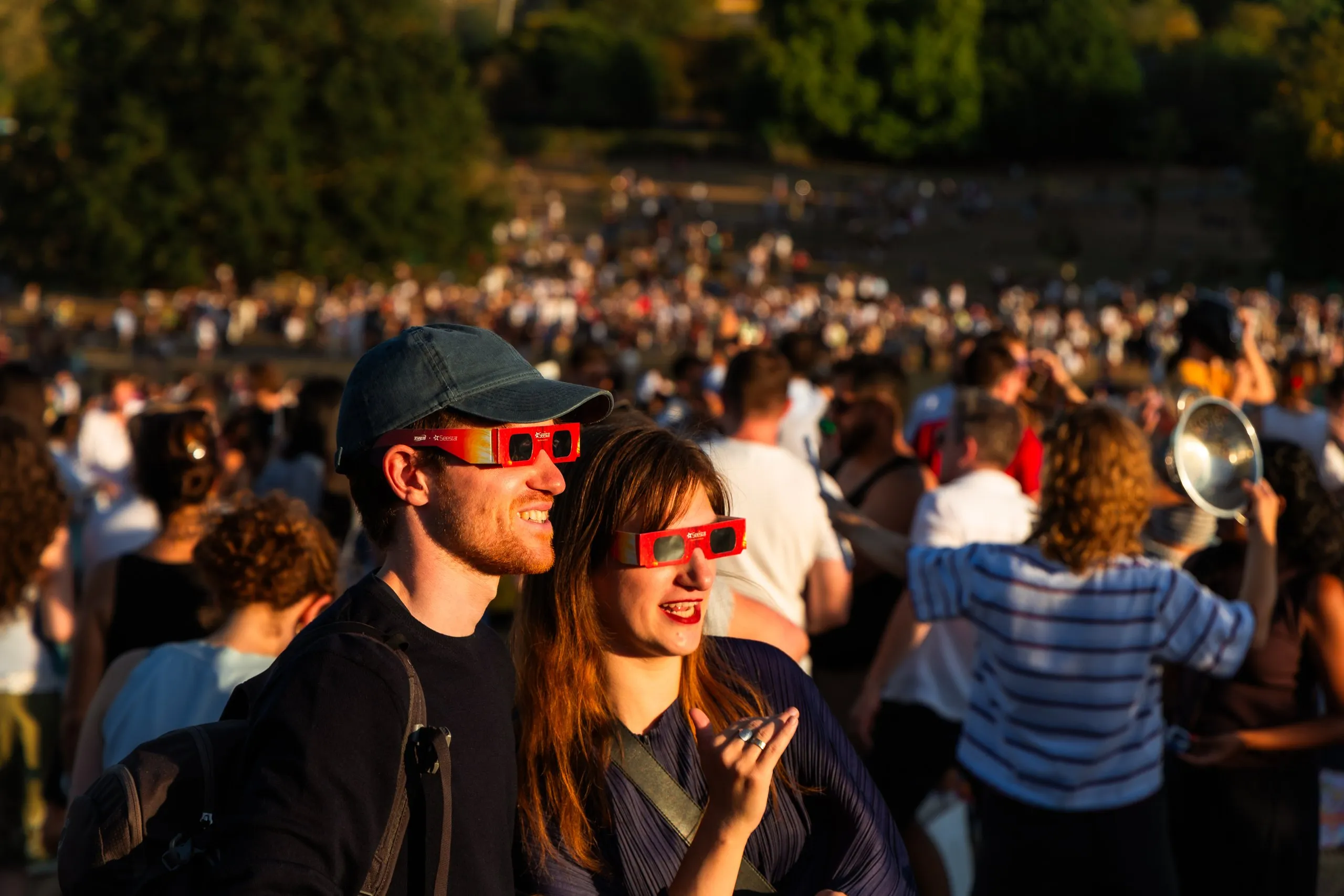
An eclipse crowd doesn’t arrive evenly. Everyone wants to be in position before first contact, and everyone leaves at once afterwards. Roads, car parks, transport and mobile networks all hit peak load in the same short window. Events have their own version of this: the ten minutes before a keynote, the queue for lunch, the taxi rank after the closing party. Designing for average throughput is what causes the pinch points. Designing for the surge – extra staff, staggered releases, signage, comms that anticipate the bottleneck – is what prevents them.
The moment is short. The experience isn’t.
Totality lasted about two minutes. Nobody flew to Iceland for two minutes. The value was in everything around it – the build-up, the shared anticipation, the story people took home. Events often over-invest in the headline moment and under-invest in the hours either side of it. The eclipse is a reminder that the peak moment is usually the shortest part of what people actually remember.
Layla Lemahieu Agha head of client experience at Sleek Events said: “The headline moment or brand might be what gets people through the door, but it’s rarely the only thing they’ll remember. The experience starts well before someone reaches the main stage and continues long after they leave. We spend a lot of time thinking about crafting those moments around the headline – how people arrive, what they discover between sessions, how they move through the space, interact and discover, and what they take away afterwards. The best events create anticipation, connection and emotion, that makes the whole experience feel bigger than any single moment.”