

Women make up 77% of the global events workforce, yet hold only 16% of leadership roles. The imbalance is well known, but the women driving this industry forward are still too often overlooked.
The 70% is a weekly series dedicated to changing that. Each instalment profiles a woman whose work, insight, and ambition shape the events sector – from emerging talent to established leaders. Through their stories, we explore the pathways, challenges, and perspectives defining what leadership looks like today.
This week we meet Tatenda Mutsvairo, CEO and founder of Ashley Gladman Events.
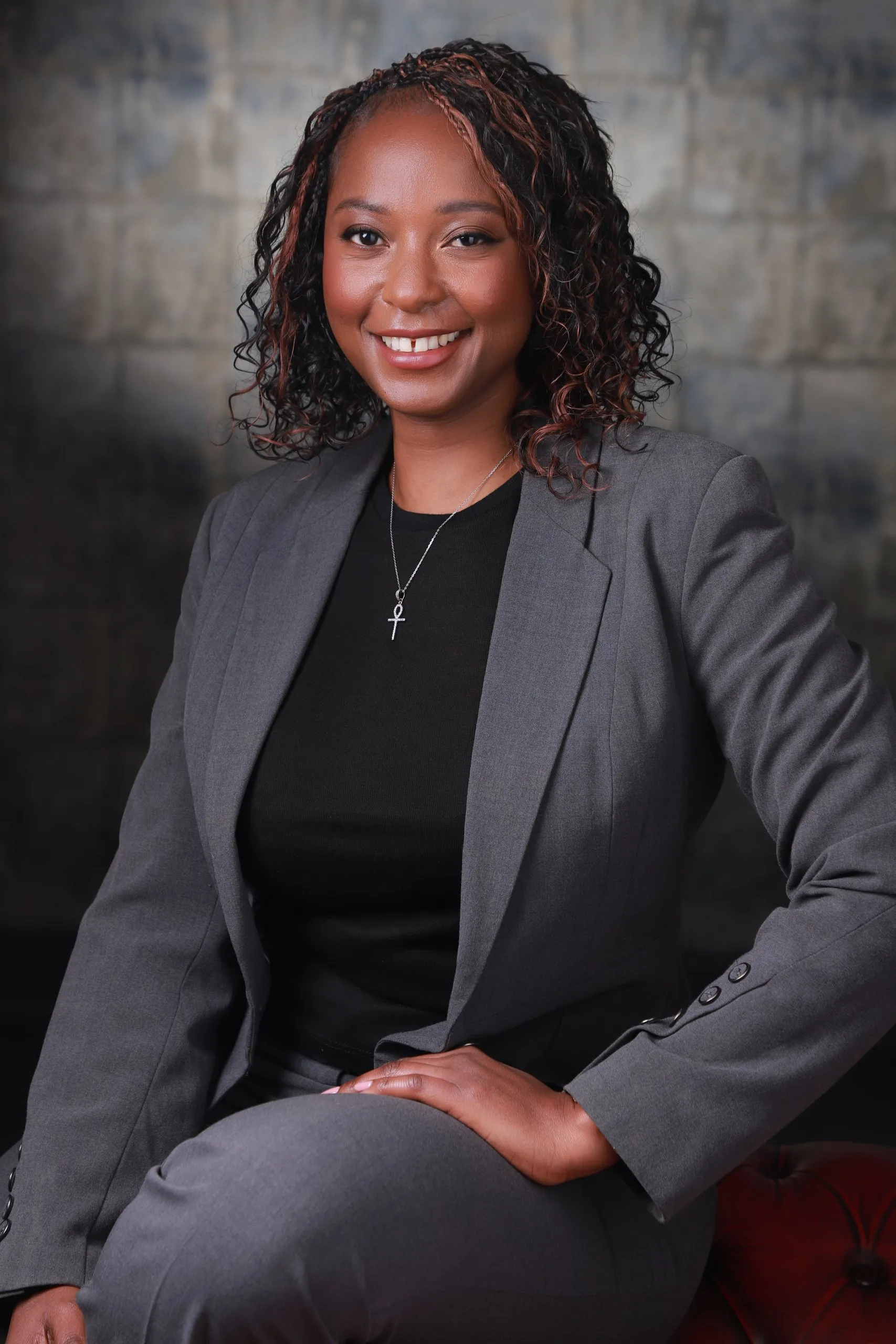
How many years have you been in the events industry?
Two decades as an employee and five years as business owner
How do you balance professional growth with personal commitments, and do you think the industry is evolving in terms of work life balance?
I have learned that I cannot give 100% to everything, every day, so I have to be intentional about where my time, energy and attention are needed most. Having a daily routine and structure helps me prioritise what is important, while also allowing me to remain flexible when life or business inevitably throws something unexpected my way.
Having a strong community around me has also been incredibly important. I have learned that I don’t have to do everything myself. Being able to delegate within my business and lean on my support network allows me to focus on the areas where I can add the greatest value, rather than trying to carry everything alone.
Technology has also made a significant difference. AI and automation have been a real game changer for me, particularly in reducing the amount of time I spend on repetitive administrative tasks. Automating some of those processes gives me valuable time back to focus on strategy, clients, business development and, importantly, myself and my family.
I absolutely believe the events industry is evolving when it comes to work-life balance. The growth of virtual events, virtual meetings and hybrid working has given professionals greater flexibility and, in many cases, has helped to eliminate unnecessary travel and create more efficient ways of working.
However, I think there is still work to do. Events will always be a people-focused and often fast-paced industry, and live events can require long hours, evenings and weekends. The opportunity now is to use technology, better planning, delegation and more sustainable working practices to ensure that high performance doesn’t have to come at the expense of our wellbeing.
For me, work-life balance isn’t about achieving a perfect 50/50 split every day. It’s about being intentional with my time, knowing what matters most, creating boundaries where I can, and giving myself permission to step back and recharge. When I take care of myself, I am a better mother, business owner, mentor and professional and ultimately, I perform better in every area of my life.
How do you see the events industry evolving in terms of diversity, equity and inclusion?
I believe the events industry is moving towards a much more intentional and holistic approach to diversity, equity and inclusion (DEI). It is no longer enough to simply have a diverse audience in the room; event organisers need to consider whether the entire event experience is genuinely accessible, inclusive and representative.
We are seeing greater consideration being given to representation across speakers, facilitators, suppliers, venues and creative teams, as well as accessibility, dietary and cultural requirements, different perspectives and the overall attendee experience.
For me, inclusion begins at the planning stage. We need to understand who the audience is and what they need to feel welcomed, represented, respected and able to participate fully. This can influence everything from venue selection and programme design to language, imagery, catering, accessibility and the choice of speakers.
I also think the industry will increasingly move away from treating DEI as a separate initiative and instead see it as part of good event design and responsible event management. When we create environments where people feel that they belong, we don’t just create more inclusive events, we create better, more engaging and more meaningful experiences for everyone.
At Ashley Gladman Events, this aligns strongly with our belief that exceptional events should be intentional, audience focused and designed around the people experiencing them, while still delivering the client’s wider business and brand objectives.
What advice would you give to young women looking to enter and succeed in the events industry?
My first piece of advice would be: show up as your true, authentic self. Don’t feel that you have to become someone else to succeed. Your personality, perspective and individual strengths are part of what makes you valuable.
Have an “I can do it” attitude, but balance that confidence with an open mind and a teachable spirit. Be willing to learn from everyone around you, regardless of their age or position. Some of the most valuable lessons can come from people who have a completely different perspective or experience from your own.
Invest in yourself continually. The events industry is constantly evolving, so keep developing your skills, building your knowledge, expanding your network and staying curious. Never think you have “arrived”. There is always something new to learn.
I would also encourage young women to enjoy the journey and have fun along the way. We work in an industry that is fast-paced, creative and incredibly rewarding. Your attitude matters. When you show up with positivity, enthusiasm and a willingness to contribute, it can influence not only your own productivity but also the energy of the people around you.
And importantly, don’t neglect yourself while building your career. Take care of your physical, mental and emotional wellbeing. When you are rested, grounded and looking after yourself, you think more clearly, make better decisions and perform at your best.
Finally, be prepared to be challenged. The events industry comes with twists, turns and unexpected situations, sometimes things will not go according to plan. Instead of immediately asking, “Why is this happening to me?”, I encourage young women to ask: “What can I learn from this, and how can I handle it better next time?”
That mindset can completely change how you approach challenges. Every difficult experience can teach you something, strengthen your resilience and make you a better event professional.
Believe in yourself, stay curious, keep learning, build relationships, look after yourself and don’t be afraid of the challenges. Your career is a journey, not a race. And most importantly, enjoy the journey.
How do you handle setbacks and failures?
I try not to see setbacks or failures as the end of the road. The first question I ask myself is: “What is this setback trying to teach me? “I then ask myself a second question: “What can I do differently or better next time?”
For me, setbacks are an opportunity to pause, reflect and learn. I look at what happened objectively, rather than allowing the disappointment or emotion of the moment to define the situation. I ask myself what was within my control, what I could have anticipated differently, and whether there are processes or decisions I need to improve.
I also believe in taking accountability without being overly critical of myself. Not everything that goes wrong is necessarily a failure; sometimes circumstances are outside our control. What matters is how we respond, what we learn and whether we use that experience to become better.
As an event professional, this mindset is particularly important because events involve so many moving parts. Even with meticulous planning, unexpected challenges can arise. I have learned that excellence isn’t about expecting everything to go perfectly; it’s about being prepared, remaining calm under pressure and knowing how to find a solution when things don’t go according to plan.
Every setback gives me an opportunity to refine my approach, strengthen my processes and raise my standards. I don’t want to simply recover from a setback, I want to come out of it wiser, stronger and better equipped for the next opportunity.
My mindset is simple: reflect, learn, adapt and keep moving forward.
What changes do you think are still needed to create more opportunities for women in leadership?
I believe one of the most important ways we can create greater opportunities for women in the events industry is by increasing female representation at board level. Women bring different perspectives, experiences and approaches to decision-making, and having more women in positions of influence can help shape organisations, policies and opportunities in a more inclusive way.
However, I believe representation at the top needs to be supported by investment in the pipeline of future female leaders. We need to start much earlier by creating mentorship, coaching and development programmes that give young women the confidence, skills, networks and exposure they need to see leadership as something that is achievable for them.
I would love to see more partnerships between the events industry, schools, colleges and universities, where experienced professionals can introduce young women to the breadth of opportunities available within the industry. This could include mentoring, work experience, leadership programmes, industry talks and opportunities to meet women who are already building successful careers.
We shouldn’t wait until women reach senior positions to start developing them as leaders. We should be investing in them from an early stage.
I particularly love initiatives such as CN Under 30, which provides opportunities to equip, connect and empower emerging talent within the events industry. Programmes like this are important because they create access to networks, knowledge and role models that young professionals may not otherwise have.
As someone who is passionate about mentoring and supporting the next generation, I believe that when we create opportunities for women, give them a seat at the table and equip them with the confidence and skills to use their voice, we don’t just change individual careers, we help to change the future of the industry.
Ultimately, I would like to see a stronger pipeline from education → mentorship → industry experience → leadership → boardroom, so that the women sitting around tomorrow’s board tables have had the support, opportunities and encouragement to get there.