

Women make up 77% of the global events workforce, yet hold only 16% of leadership roles. The imbalance is well known, but the women driving this industry forward are still too often overlooked.
The 70% is a weekly series dedicated to changing that. Each instalment profiles a woman whose work, insight, and ambition shape the events sector – from emerging talent to established leaders. Through their stories, we explore the pathways, challenges, and perspectives defining what leadership looks like today.
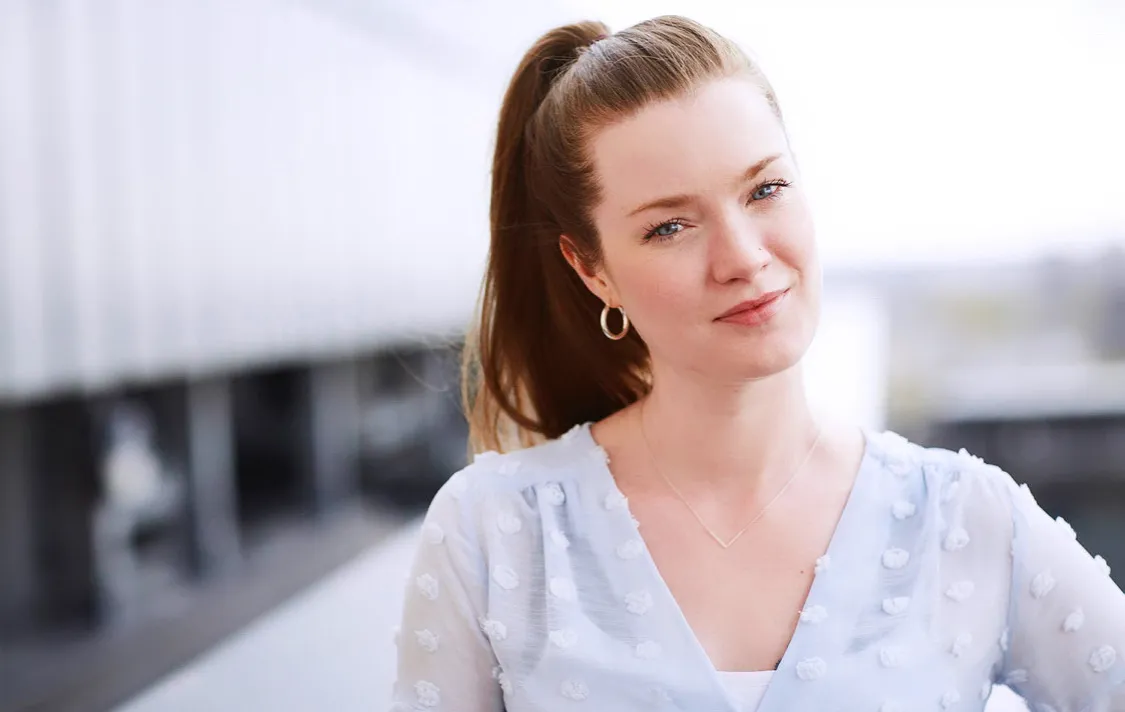
This week, we meet Lizzy Eaton, director at Oddity Events and Marketing.
How many years have you been in the events industry?
I’ve been in the events industry for around 18 years. I started getting experience through internships and volunteering while I was at university, before moving into the industry professionally after graduating in 2010. So I’ve pretty much grown up in the events industry and have seen a huge amount of change during that time.
How do you balance professional growth with personal commitments and do you think the industry is evolving in terms of work-life balance?
I don’t really think about it as balancing professional growth with personal commitments. My professional growth now comes from asking my team what I’m doing well, what I could be doing better and what they need from me.
After nearly two decades in the industry, I don’t think my development is about simply becoming better at events. It’s about understanding what the next generation of employees considers important, both in the experience we create for clients and in the experience of working for us.
Life and work have changed enormously since I started, and what I might once have considered normal or expected isn’t necessarily what people expect today. I think being a good leader means being willing to recognise that and learn from it.
At the same time, I’m a firm believer that early in your career you have to be willing to say yes and figure it out later. You need to put yourself out there and experience the highs and lows of this industry. Events can be incredibly rewarding, but they can also be intense and unpredictable. You need to experience the reality of it to know whether it’s an industry you genuinely love.
How do you see the events industry evolving in terms of diversity, equity and inclusion?
I don’t think the events industry is evolving in this area through will and want. I think it’s evolving through force.
I’ve been talking about the experience of people with disabilities at events for nearly a decade. Oddity produced a guide to inclusive event design because we could see there was a real gap in understanding, and yet very little changed, even when the law changed.
My experience is that event professionals tend to change their way of working when there are consequences for not doing so, rather than voluntarily. There are still too many loopholes and grey areas for business events to make accessibility, diversity and inclusion a genuine standard.
I think we need to take more responsibility as an industry and hold ourselves to the same standards that apply to public events. We shouldn’t be waiting for legislation or a client to tell us what the minimum acceptable standard is. If we genuinely want diversity, equity and inclusion to be part of the events industry, event professionals need to take ownership of it themselves.
What advice would you give to young women looking to enter and succeed in the events industry?
Women already make up a huge proportion of the events industry, so I’m conscious that my experience comes from quite a unique position. I’ve been lucky enough to become successfully self-employed and create my own structure, rules and schedule, so I wouldn’t pretend that my route is the blueprint for everyone else.
But if I was giving advice based on nearly two decades in the industry, I’d say learn to be strategic.
I spent years being a reliable operator, a safe pair of hands who people trusted and knew could deliver whatever they needed. That’s a great quality to have, but when it came to promotions, I found myself being overlooked because I was so focused on delivering the day-to-day rather than demonstrating that I could see the bigger picture.
Starting Oddity taught me very quickly what that bigger picture meant. When you’re running a business, you can’t just think about what needs to happen today. You have to think about where you want to be in three, five or ten years and make decisions accordingly.
So my advice would be: be excellent at what you do, but don’t let being the person who can always get things done become your whole identity. Make sure people can also see your strategic thinking, your commercial understanding and your potential to lead.
How do you handle setbacks and failures?
I really struggle with setbacks and failure. As an agency owner, I take negative feedback very personally, and it can play on my mind for weeks. I’ve never completely conquered that, and I’m not sure I ever will.
What I have learned to do is reframe setbacks as lessons rather than failures. Everything I’ve experienced, good or bad, has shaped the way I lead, the way I make decisions and the way I support my team. Some of the most valuable things I’ve learned have come from things that didn’t go to plan.
I think there’s a tendency to talk about resilience as though successful people eventually reach a point where nothing affects them. That isn’t my experience at all. I still care enormously when something goes wrong. The difference is that I’m better at taking that feeling and turning it into something useful. It doesn’t necessarily get easier, but I’ve become better at knowing what to do with it.
What changes do you think are still needed to create more opportunities for women in leadership?
I think the changes required are mainly behavioural and cultural rather than changes that need to be made by women themselves.
Organisations need to do much more to recognise and address workplace bias, including being conscious of who gets asked to take on stereotypically administrative or supportive tasks. In teams where event management isn’t a specific role, it can easily become seen as “the woman’s job”.
That means women can end up spending a significant amount of their time on project-based event work rather than the role they were actually hired to do and are measured against for progression.
This is one of the reasons I think there is real value in using an events agency. We can become an extension of a client’s team, taking ownership of the event so their people can continue with business as usual, while we make sure the event delivers against their strategic objectives.
I also think more women in the events industry need to get comfortable positioning what they do as strategic rather than purely operational. Event management is often perceived as logistics and execution, but done properly, it’s a strategic discipline. Being able to articulate that value is important, particularly when you’re trying to progress into leadership.