

Women make up 77% of the global events workforce, yet hold only 16% of leadership roles. The imbalance is well known, but the women driving this industry forward are still too often overlooked.
The 70% is a weekly series dedicated to changing that. Each instalment profiles a woman whose work, insight, and ambition shape the events sector – from emerging talent to established leaders. Through their stories, we explore the pathways, challenges, and perspectives defining what leadership looks like today.
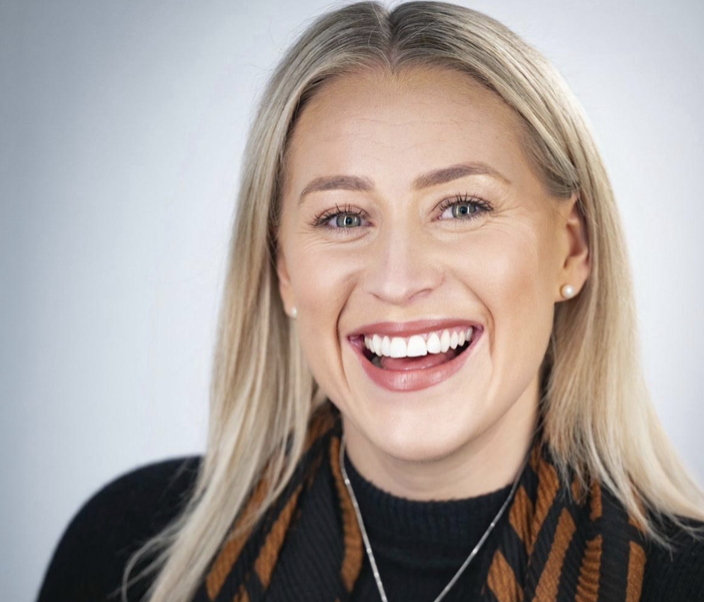
In this week’s edition, we meet Evie Bowyer vice president for congress, meetings and events – lifesciences at Impact XM.
How do you balance professional growth with personal commitments and do you think the industry is evolving in terms of work life balance?
Balancing professional growth with personal commitments is something I am far more intentional about now. For me it comes down to clarity, boundaries and prioritisation.
I have learned to be very deliberate about where I add the most value and where I should step back. When I am clear on my priorities and the outcomes I am responsible for, it becomes much easier to protect personal time without compromising performance.
I also believe the industry is evolving in a positive way. Historically, events has been fast paced, reactive and often fuelled by long hours. But there is a definite shift towards smarter planning, resourcing models that protect teams, and leaders recognising that sustainable performance comes from balance, not burnout. We are seeing more flexible working, better forecasting, stronger operational discipline and a greater focus on wellbeing. There will always be intensity in this industry, but I think we are moving towards a culture where professional ambition and personal life can coexist in a healthier, more sustainable way.
How do you see the events industry evolving in terms of diversity, equity and inclusion?
For a long time, DEI was treated as an optional layer rather than a core part of how we design, plan and deliver experiences. That is changing. Clients, audiences and teams are expecting events to reflect the real world and to represent a broader range of voices, perspectives and needs.
We are seeing more intentionality in how panels are curated, how speakers are selected and how content is shaped to ensure it is inclusive and accessible. There is more focus on creating environments that consider different abilities, learning styles and cultural backgrounds. Internal teams are also becoming more diverse, which naturally influences the ideas we bring forward.
There is still work to do, but the direction is positive.
What advice would you give to young women looking to enter and suceed in the events industry?
My biggest advice is to back yourself early. This industry moves fast, and it rewards people who are proactive, curious and willing to step forward even when they are still learning.
Build your confidence through competence…ask questions, volunteer for opportunities, and expose yourself to as many parts of the event lifecycle as you can. The more you understand, the more value you bring. Surround yourself with people who elevate you, not compete with you. Mentorship is powerful, so actively seek leaders who will champion you and stretch you.
Finally, do not be afraid to set boundaries or to advocate for yourself. Your voice matters and you deserve to be in the room. The most successful women I know in this industry are decisive, collaborative and resilient, but they also protect their energy and know their worth.
Most importantly, bring your full self. The industry thrives on creativity, empathy and human connection. Your perspective is an asset, not something to shrink. Step in boldly, stay curious and trust that you deserve to take up space.
How do you handle set backs and failures?
I have learnt to just accept them now.
Setbacks are a natural part of growth, and instead of fighting them or feeling defeated by them, I acknowledge them quickly and then move on. (Easier said than done sometimes I know!)
Accepting the situation allows me to respond calmly rather than react emotionally. I ground myself first, then look objectively at the root causes. I involve the right people, own what is mine to own and turn it into an opportunity to strengthen our processes, our planning or my own leadership.
What changes do you think are still needed to create more opportunities for women in leadership?
There has been progress, but there is still a long way to go. We need structural and cultural change, not just individual initiatives that tick a box.
Women need leaders who actively champion them (male or female), open doors for them and make sure their names are in the rooms they are not yet in. Mentorship is helpful, but sponsorship is what shifts careers.
Too often, leadership is still associated with a very narrow set of behaviours. We need to value empathy, collaboration, emotional intelligence and different communication styles with the same weight as more traditional leadership traits. When the definition of leadership expands, more women can thrive.
Work should support life, not penalise it. True flexibility, supported by strong operational systems, allows women to progress without choosing between ambition and personal commitments. When flexibility is normalised at every level, the leadership pipeline grows naturally.