

Women make up 77% of the global events workforce, yet hold only 16% of leadership roles. The imbalance is well known, but the women driving this industry forward are still too often overlooked.
The 70% is a weekly series dedicated to changing that. Each instalment profiles a woman whose work, insight, and ambition shape the events sector – from emerging talent to established leaders. Through their stories, we explore the pathways, challenges, and perspectives defining what leadership looks like today.
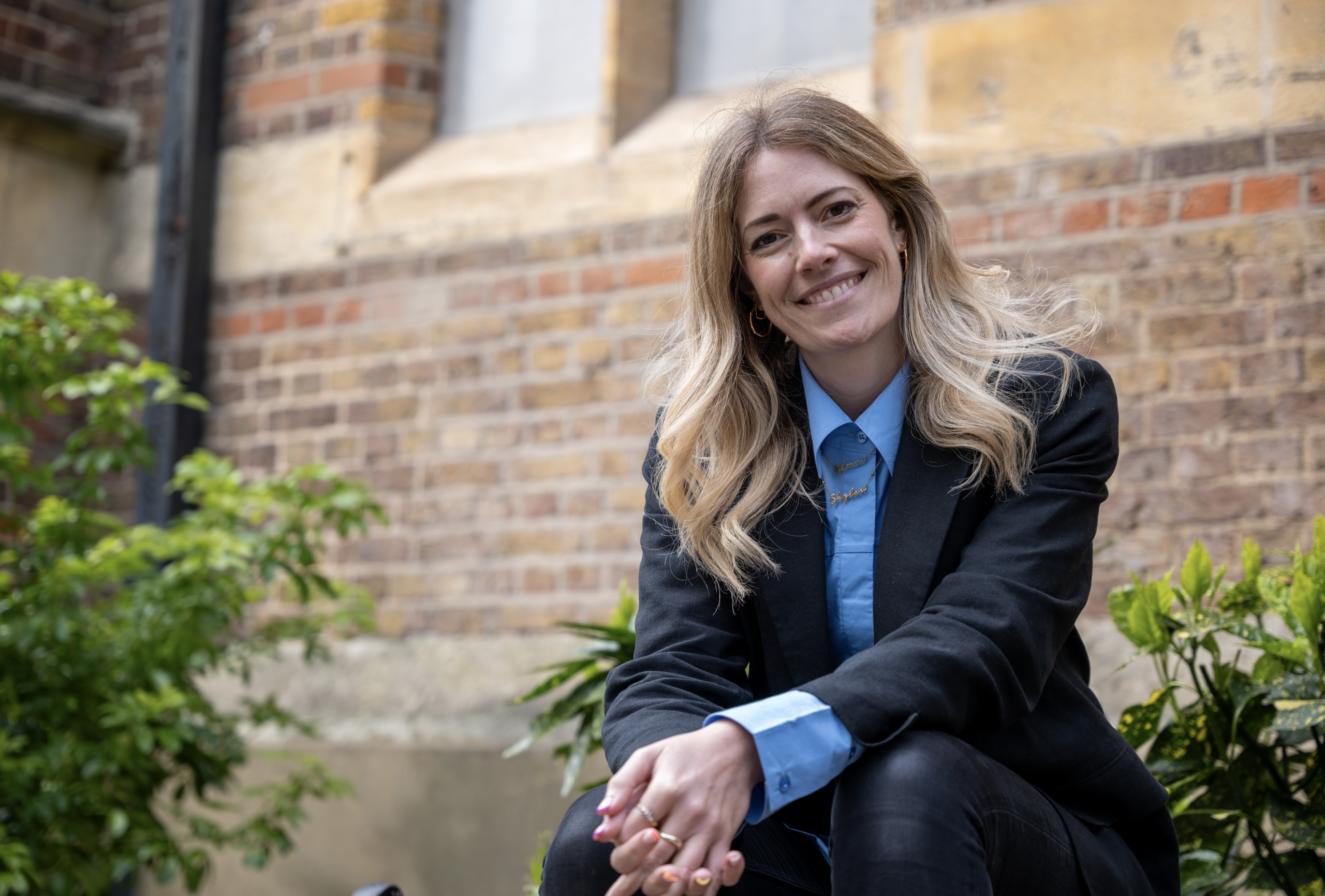
This week, we meet Alex Smith, head of operations at Seen Presents.
How many years have you been in the events industry?
I started in the events industry 13 years ago following a pivot from theatre production. My love for theatre was sparked by the magic of the craft and the audience reaction – that moment when people collectively connect or react to something, and I love that experiential marketing can create that same kind of emotional engagement. I was lucky enough to transfer those theatre skills into some of the best agencies, working hands-on delivering exceptional projects with global brands, before finding my way into client management and then leadership roles.
After 8 years, I realised my passion lied in the operational framework, strategy and commercial management of running a business, so I’ve spent the last 5 years leaning into operational roles, helping agencies grow and run efficiently. I was really excited to join the team at Seen Presents and be a part of their journey in these early years, bringing my expertise to their next chapter of growth.
How do you balance professional growth with personal commitments and do you think the industry is evolving in terms of work life balance?
We work in a very demanding industry, both in terms of pace and antisocial hours, so it is challenging to achieve a successful work-life balance all the time. I think learning how to prioritise your tasks and then building your personal goals into that same list is key. What we’re busy with day-to-day is always our choice, and the biggest lesson I learnt in my career was to prioritise myself within that list of to-dos just as much as work.
That said, there are always those pressured weeks where a deadline is looming or we’re about to go on site, and in those moments work does dominate; so I strive to balance this by deliberately planning downtime immediately after big projects and doing so in advance to achieve a sense of balance.
How do you see the events industry evolving in terms of diversity, equity and inclusion?
It goes without saying that there has been a positive shift throughout my career towards diversity, equity and inclusion, however, I still feel at times, it’s surface level. To truly feel proud of the diversity of our industry, we have to do a better job of creating the right pathways into the industry at every level.
I see a lot of great entry level programmes that tap into harder to reach communities and bring young talent into the industry, but I don’t feel that same approach and consideration to recruitment is reflected at more senior levels – that’s where the industry should put focus on next. Inspiration needs to be tangible – without representation at all levels, we won’t retain the exciting, diverse talent that we’re nurturing.
What advice would you give to young women looking to enter and succeed in the events industry?
Be bold, be bright and don’t ever doubt how far you can go. Be present, surround yourself with other inspiring women that you can learn from and don’t shy away from the office – what I learnt by osmosis being sat around incredible talent in the early days of my career was formative, so although working from home in your PJs can be appealing, prioritise being in the office as much as you can; you will become a better professional for it.
How do you handle set backs and failures?
What makes setbacks so difficult is it’s not solely the thing that’s gone wrong in isolation – it is always compounded by other variables and circumstances that orbit around you at that moment in time. So, whenever I face a setback, I try to feel the emotion in the moment – sadness, frustration, anxiety, guilt – whatever it is, don’t bottle it up because it can delay you finding a solution and moving forward.
It’s key to really own the setback and focus on solving it and learning from it. It’s not always easy to do in the moment, but I think self-reflection is imperative for growth.
What changes do you think are still needed to create more opportunities for women in leadership?
In my opinion, it’s no coincidence that statistically women drop off from senior positions in their mid-thirties – right at the point that the number of women having children spikes. Societally, we still have the balance of motherhood and work completely wrong – and I say that as a mother striving to navigate this push and pull in the industry daily.
We have to champion more flexibility to support women coexisting as a leader and a mother, and we have to get better at bringing mothers back into the workplace post maternity leave. In 2025, 74,000 women in the UK were made redundant whilst pregnant, on maternity leave or within their first year of returning to work, and I was one of them (Source: Research study conducted by Pregnant Then Screwed, in partnership with Women in Data). We have to shift this pattern to support women re-finding their place in the industry and continuing to thrive.
Women (and mothers) are empathetic, resilient, long-term thinkers and make excellent leaders, we just have to be open to them working differently and finding their way to the top in a slightly unconventional way.
To not do this is short-sighted because the demanding early years of motherhood are short, and the potential for decades of dedicated, exceptional leadership beyond that is boundless for the companies who dare to think differently, and not only embrace female leadership, but facilitate it.
That’s why it’s really exciting to lead by example as a part of the senior leadership team at Seen Presents. We’re a female-led agency at the beginning of its journey, with countless opportunities to help pave the way for this change and create a pathway for future mothers and female leaders in our industry.