
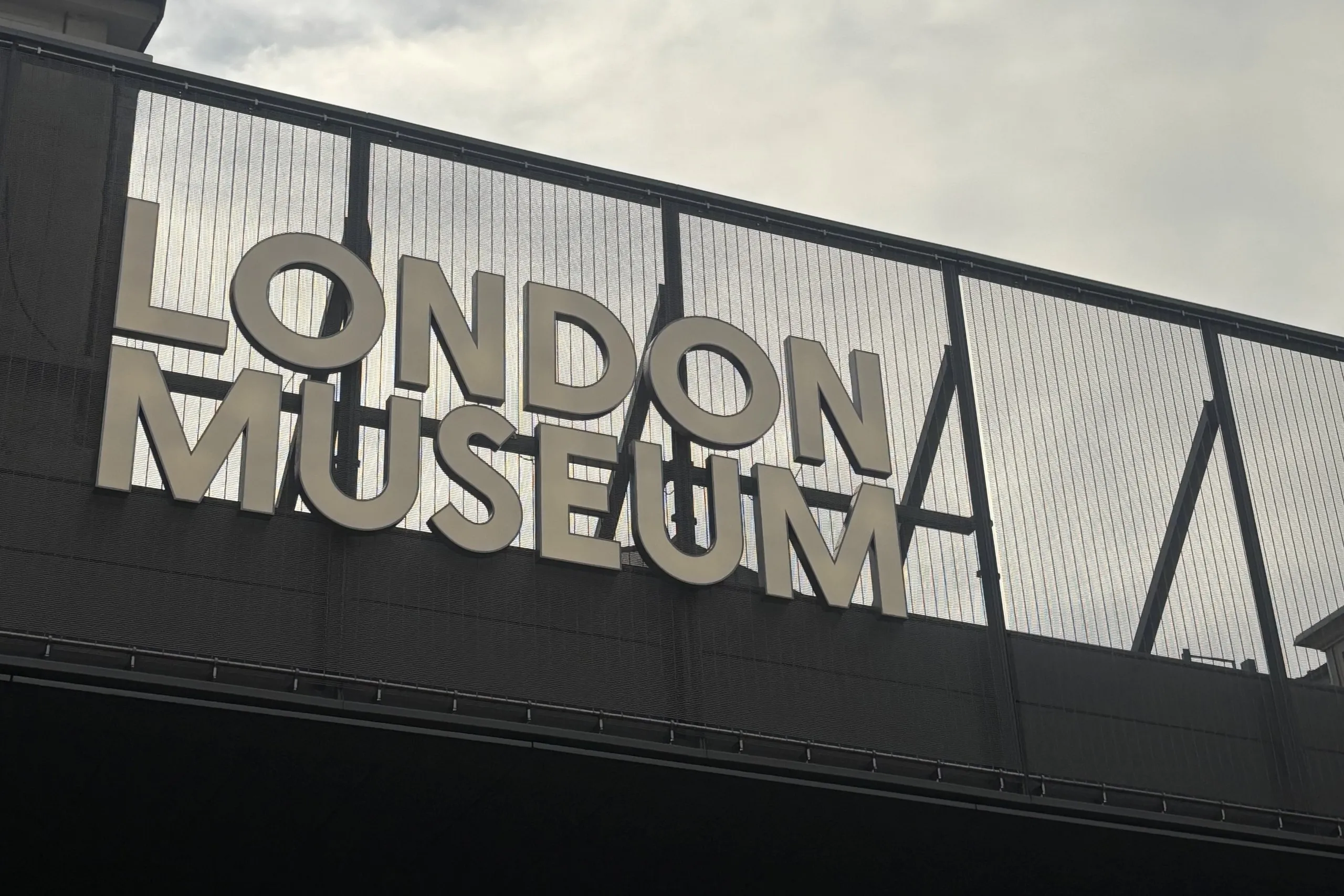
The world’s largest city museum, London Museum, opens to the public this Saturday (28 November) in its new home in Smithfield.
Ten years and £437m in the making, the museum has brought Smithfield’s Victorian General Market back into public use for the first time in more than three decades. Around two million visitors a year are expected.
Conference News was invited to the preview to look around the space and find out what it offers event organisers.
The museum has three main spaces that connect to each other. Real Time and Our Time are the main event spaces, and the galleries in Past Time are offered as an add-on.
Sam Deeprose, head of food, beverage and hospitality at London Museum said: “Smithfield is a truly unique setting for events, with grand architecture and heritage that offers a world-class cultural experience. Our ambition is to create a destination that goes beyond a traditional “event venue” and give organisers the opportunity to bring people together through exceptional food, drink and hospitality, in a setting unlike anywhere else.”
She added: “We offer bespoke experiences that connect guests to the stories, flavours and character that make up London. We’re excited to open our doors to the events industry and explore the opportunities for new partnerships and collaborations.”
Real Time
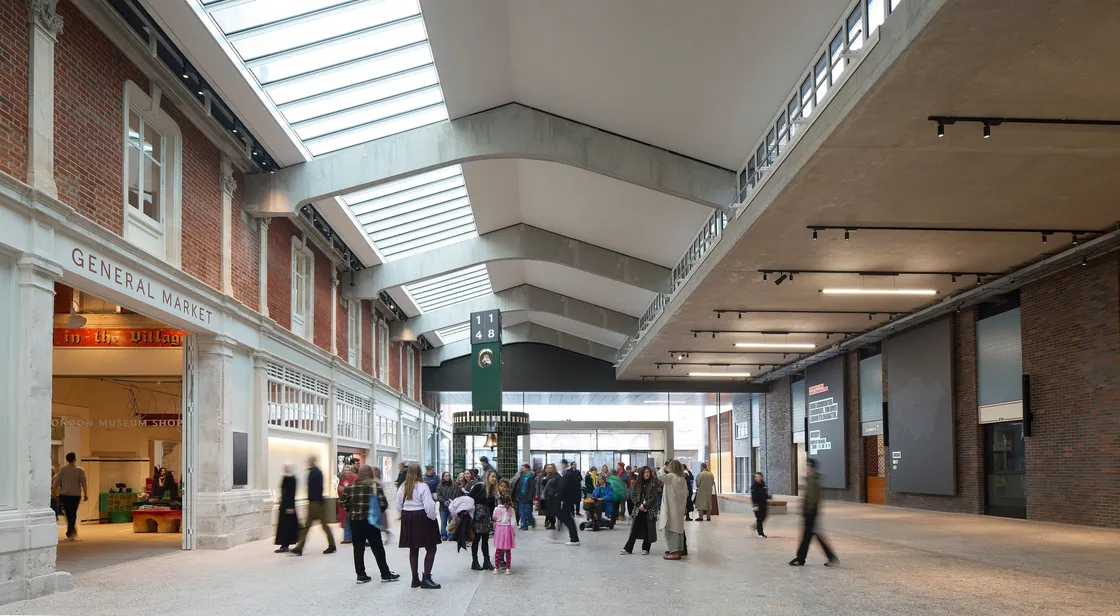
The museum’s main entrance, Real Time, is a converted street. Animated screens show live data on the city, from how many pubs and bees London has to what Londoners are listening to each week.
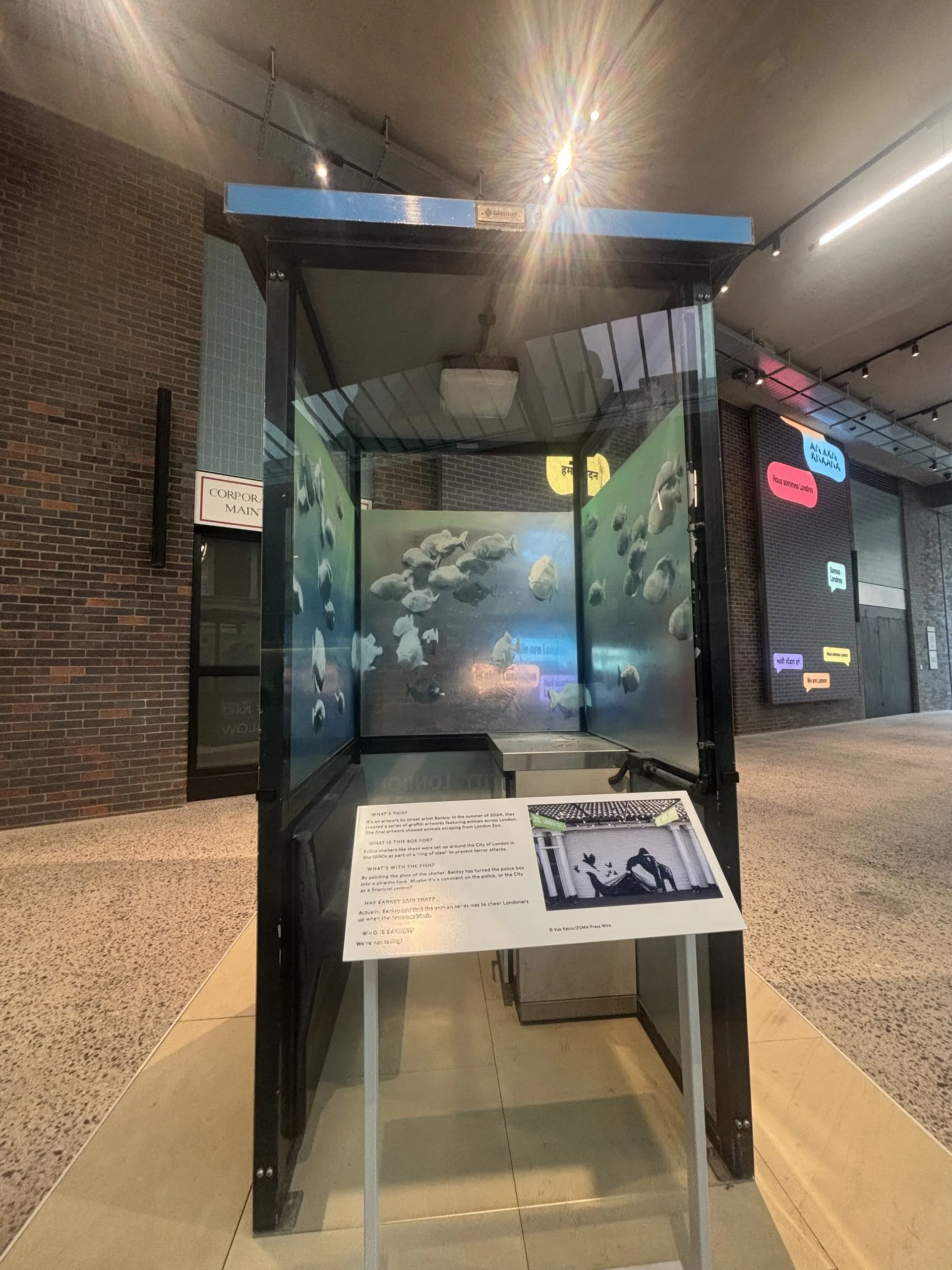
Pieces of pottery and Victorian clay pipes are set into the floor. Banksy’s Piranhas sentry box stands here too, next to a clock tower holding the last bell cast at the Whitechapel Bell Foundry, which will ring the museum open each day.
For events, Real Time is the arrival space – but can also work as a stand alone events space.
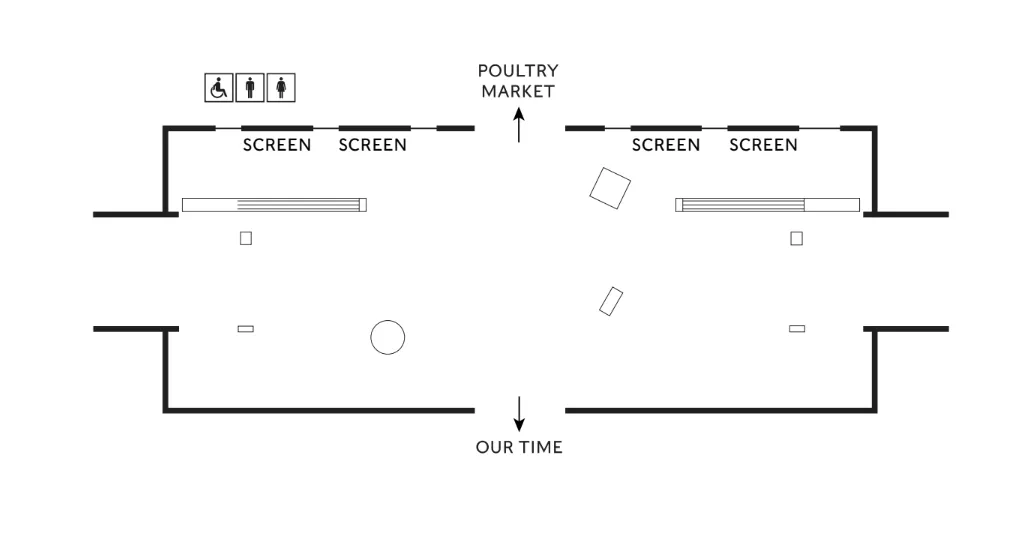
It holds up to 500 standing or 50 seated, which suits welcome drinks, receptions and after-parties.
Its four LED walls can be given over entirely to a brand, and the open layout leaves room for bars, food stations, live music or installations.
Our Time
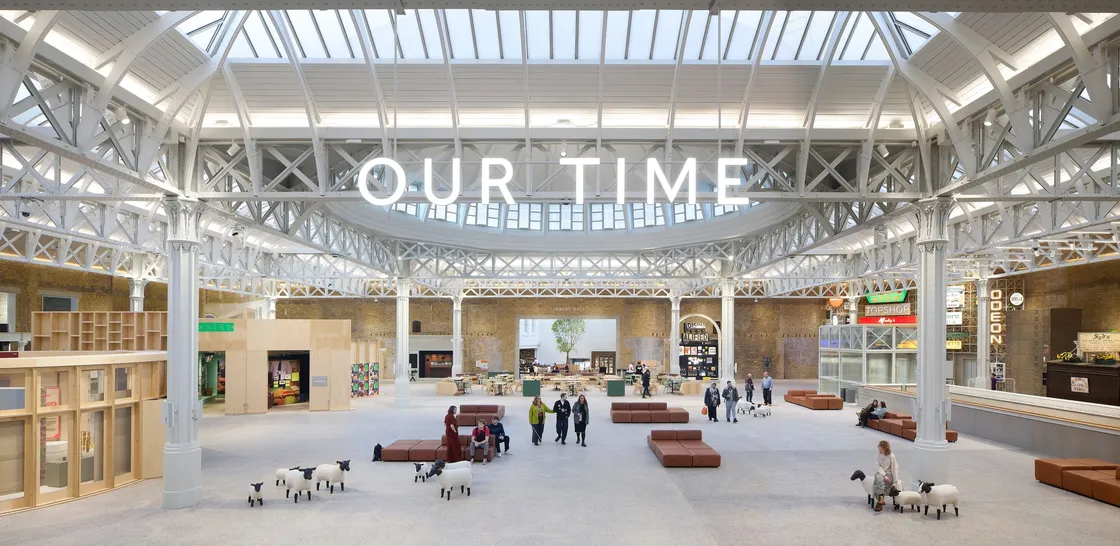
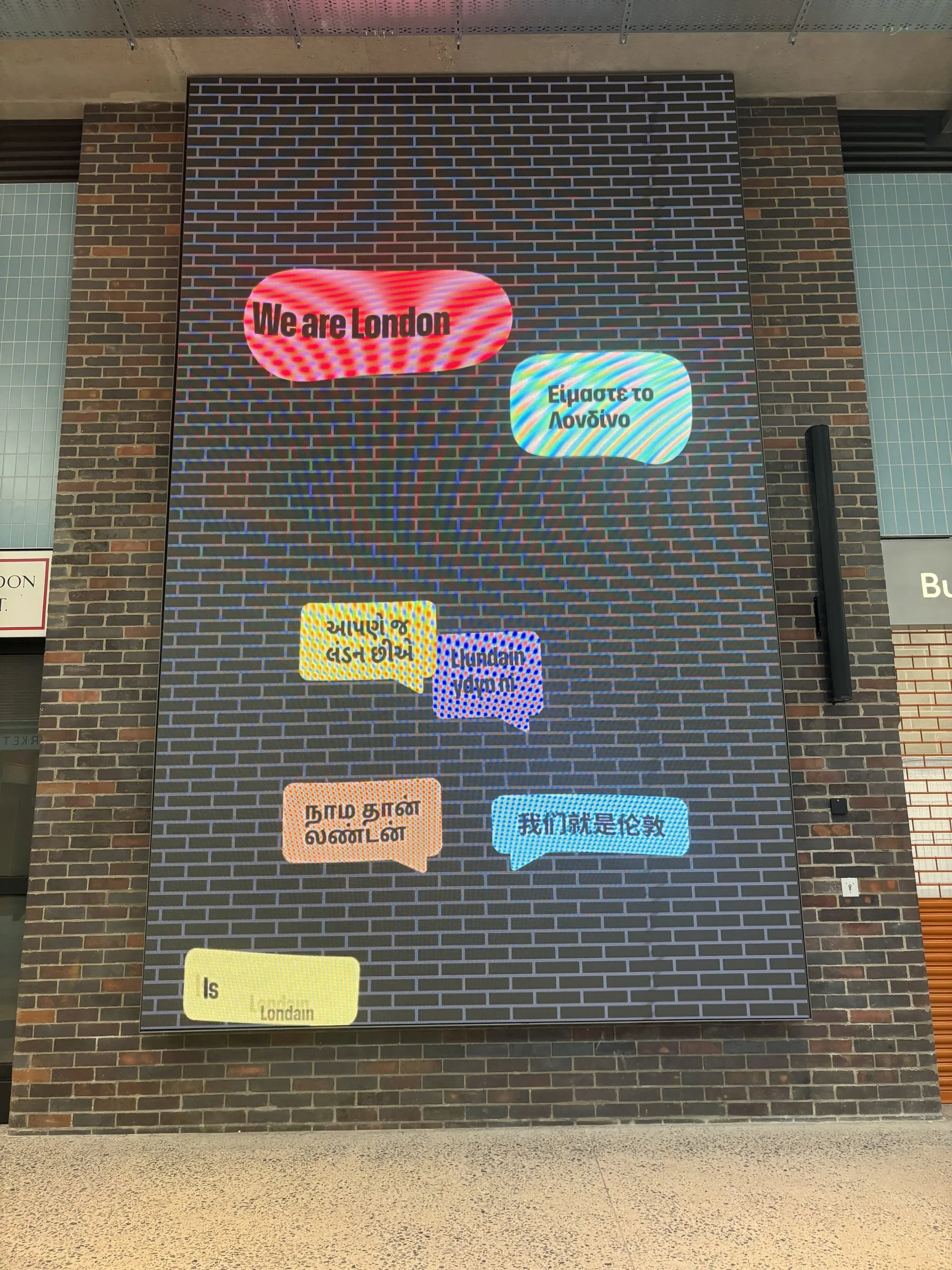
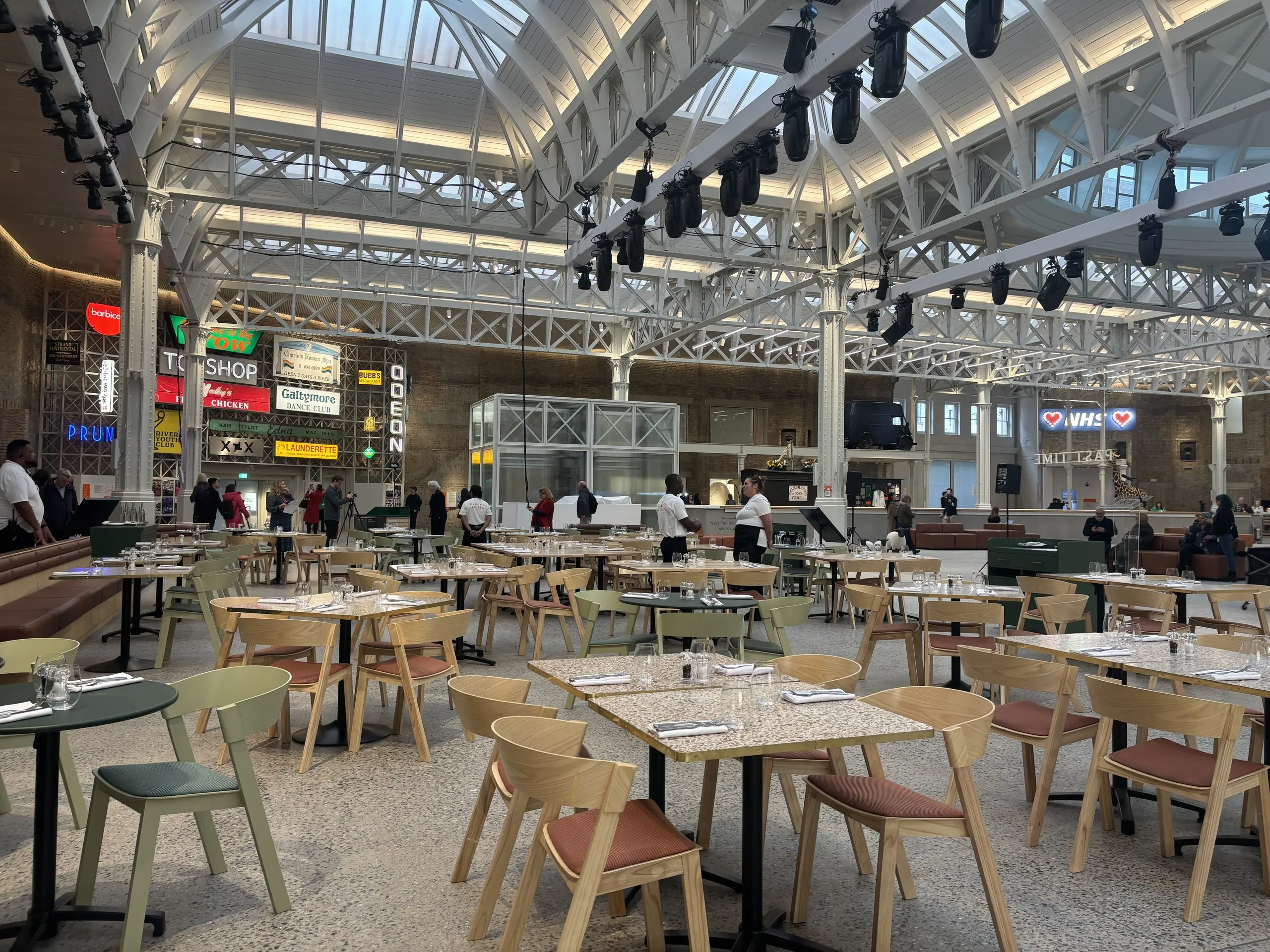
Real Time leads straight into Our Time in the Linbury Hall, the museum’s social hub on the General Market’s old trading floor.
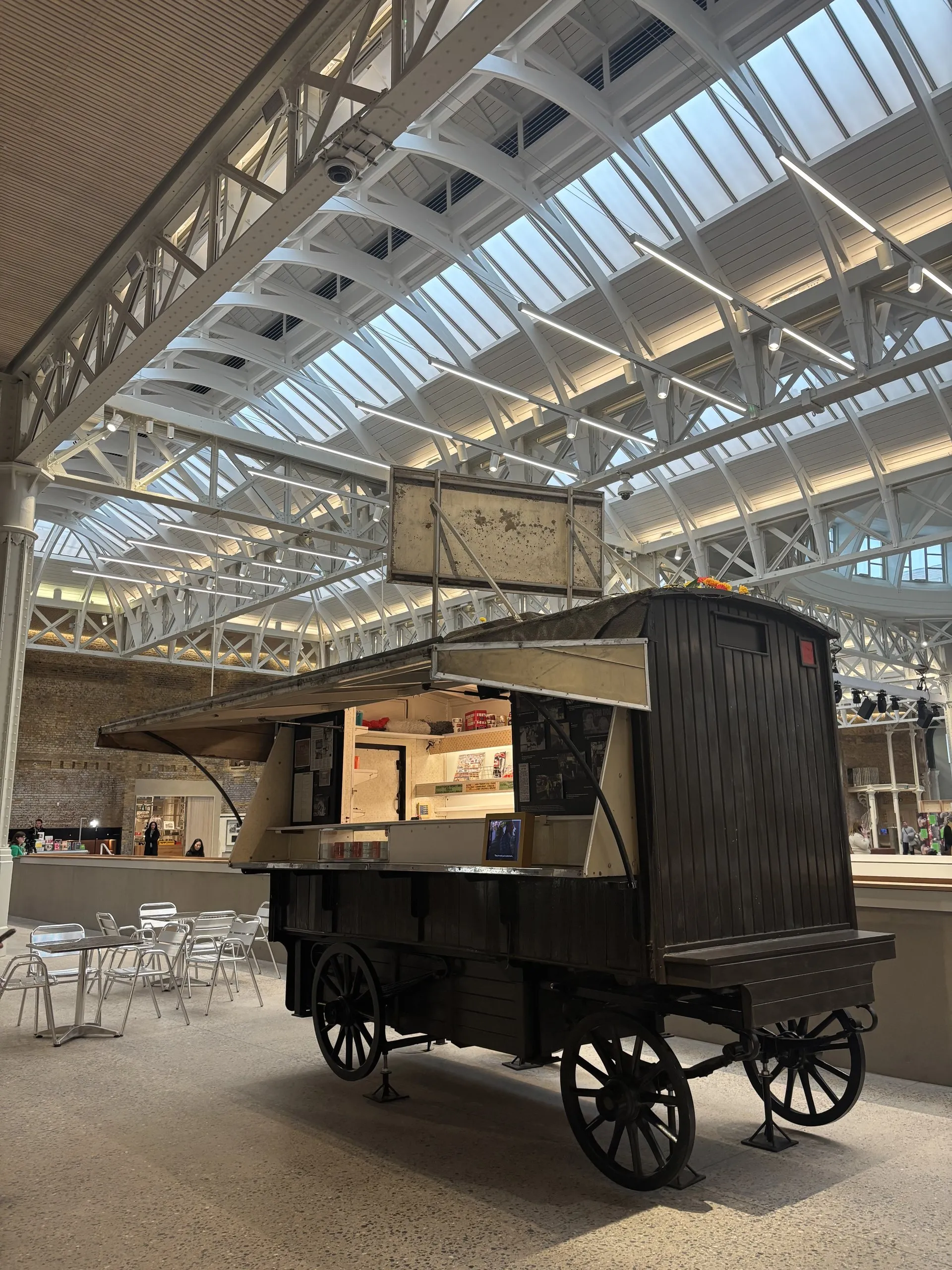
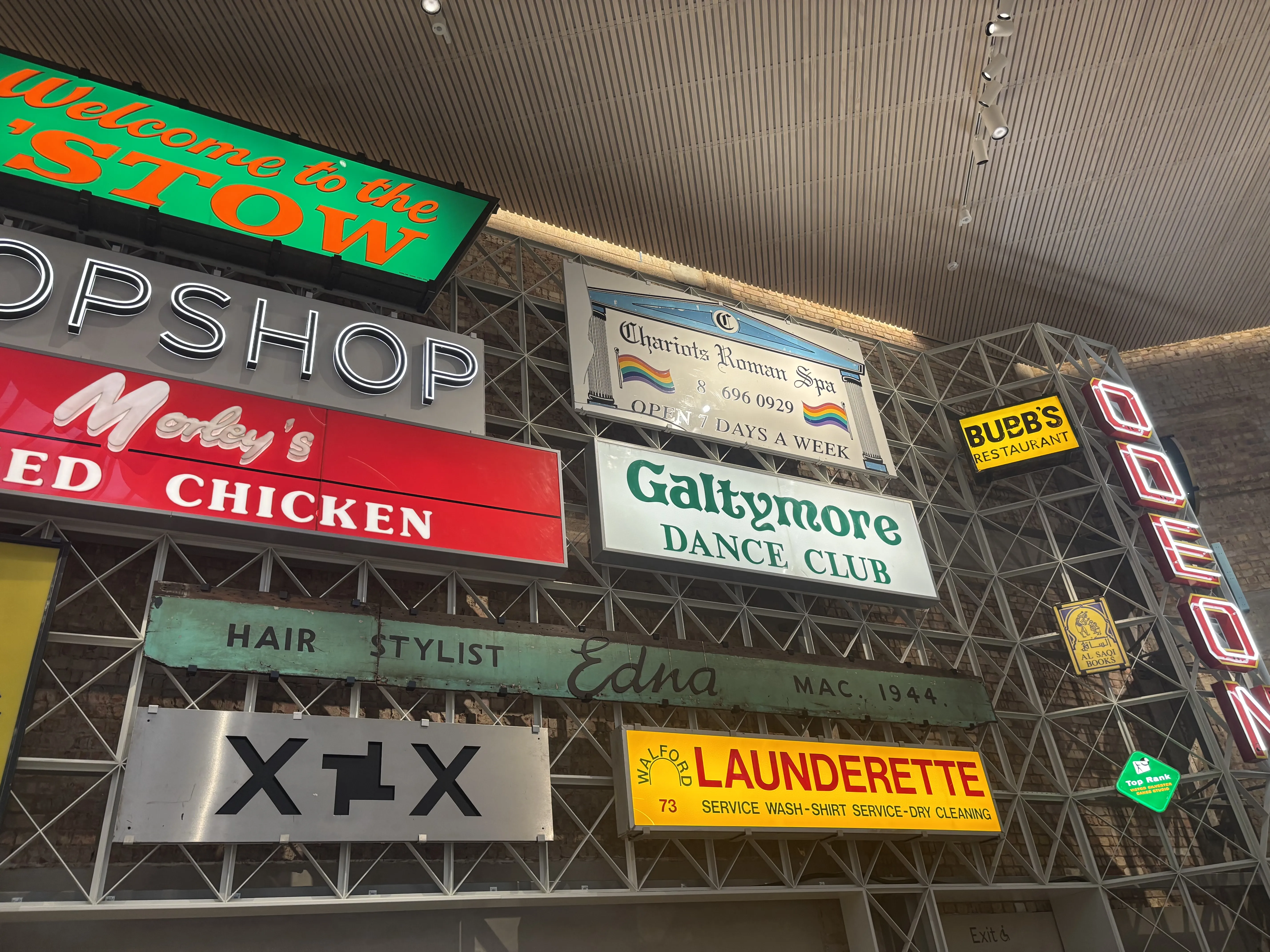
A restaurant, a shop and 13 large installations line the edges of the hall. The installations include the 1757 Lord Mayor’s State Coach, the Buckingham Palace switchboard and Syd’s Coffee Stall, a century-old East End fixture that will serve free hot drinks every Tuesday. Electronic musician Scanner has made a soundscape of the city that plays across the hall.
This is the museum’s largest event space, with room for 750 seated or up to 1,000 standing.
That’s big enough for gala dinners, awards ceremonies, product launches and fashion shows. The hall can take large stage builds and catwalks, and the original ironwork and Phoenix columns give lighting and projection designers plenty to work with.
Most of the exhibition sits around the edge of the room, so the collection becomes part of the backdrop rather than something to work around. The coffee cart can even be taken over as a cocktail bar – literally making the museums exhibition part of the event.
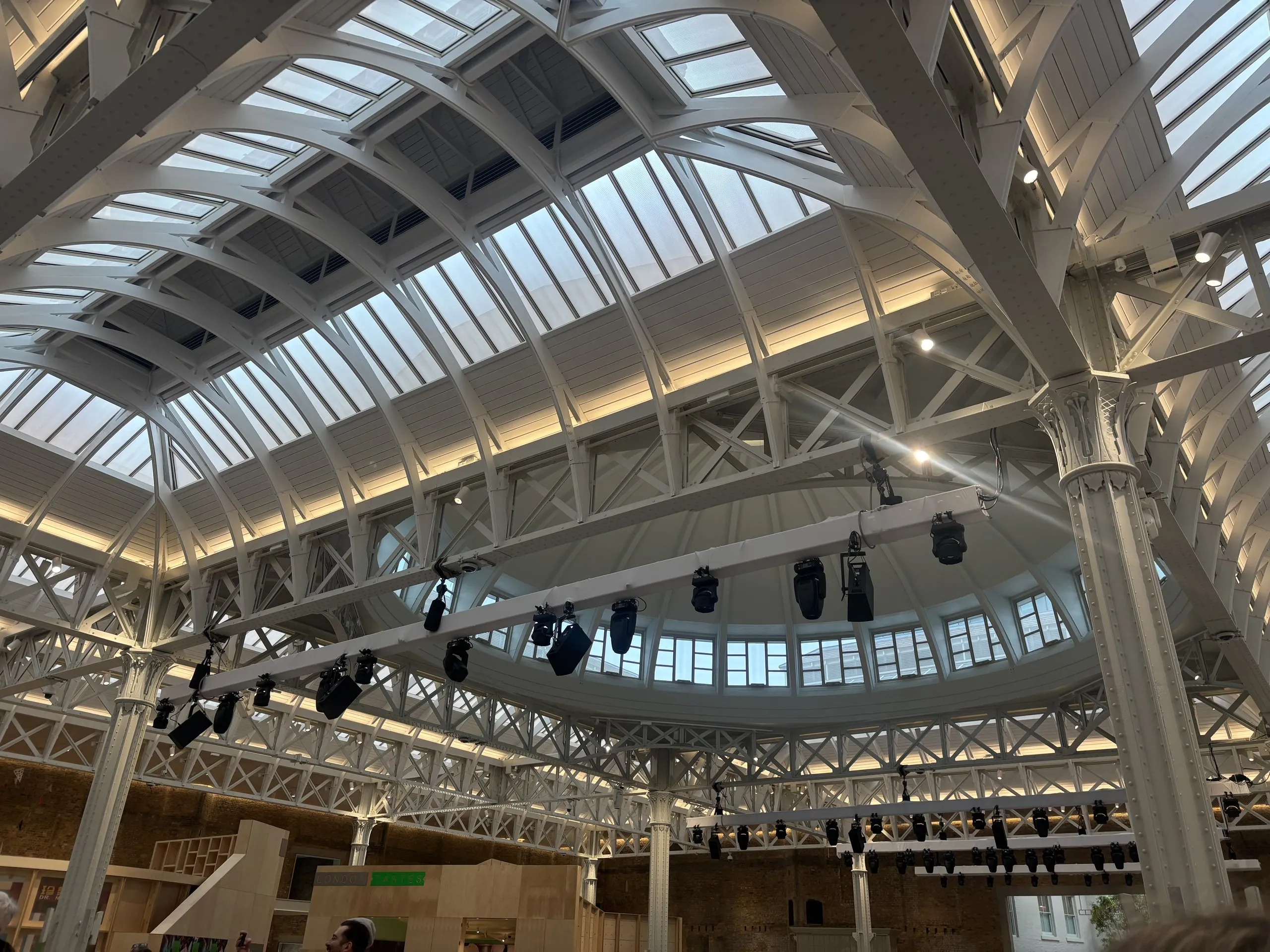
Used together with Real Time, the hall can host a drinks reception followed by a seated dinner.
Past Time
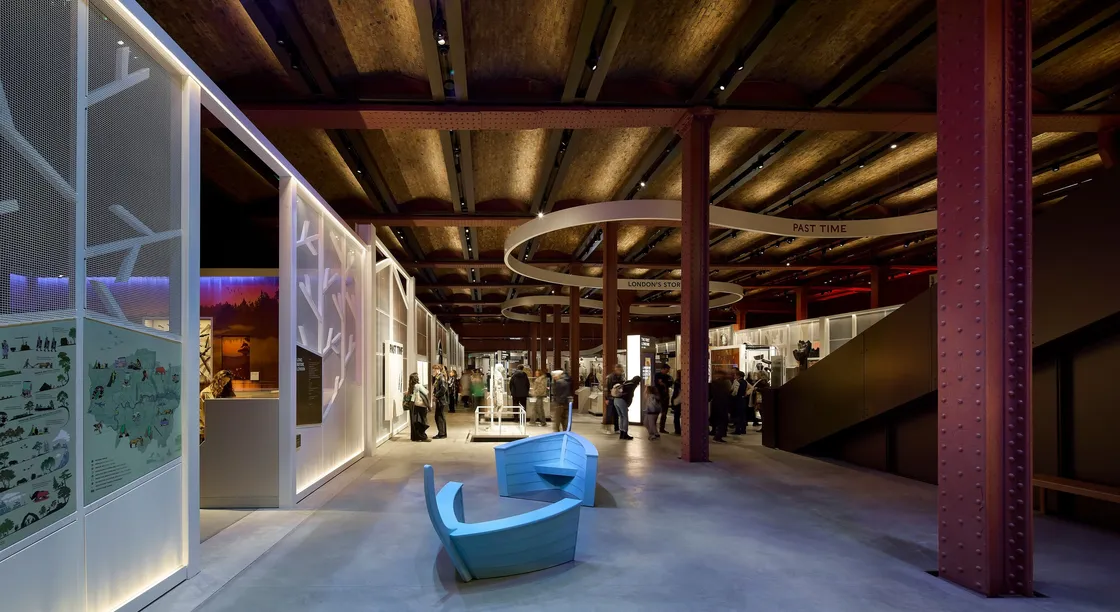
Below ground, Past Time is the museum’s permanent gallery, set at Roman street level. It covers 2,000 years of London history, from the first settlers on the Thames to the London 2012 Olympics. Highlights include the Cheapside Hoard of Elizabethan and Jacobean jewellery, a chunk of the Whitechapel Fatberg and the Bowes Cup, thought to have been used at Elizabeth I’s coronation banquet. There’s also a viewing window where visitors can watch Thameslink trains pass through.
Past Time opens to events in the evening, when guests have the galleries to themselves.
Selected areas hold up to 1,000 standing, and organisers choose which ones to open. That means a small VIP group can be kept to the Cheapside Hoard, or a larger networking reception can spread across several galleries.
The museum recommends Past Time as an add-on to Real Time and Our Time rather than a space to book on its own. Used that way, it gives guests somewhere to drift off to between a drinks reception and dinner, or once the speeches are over.
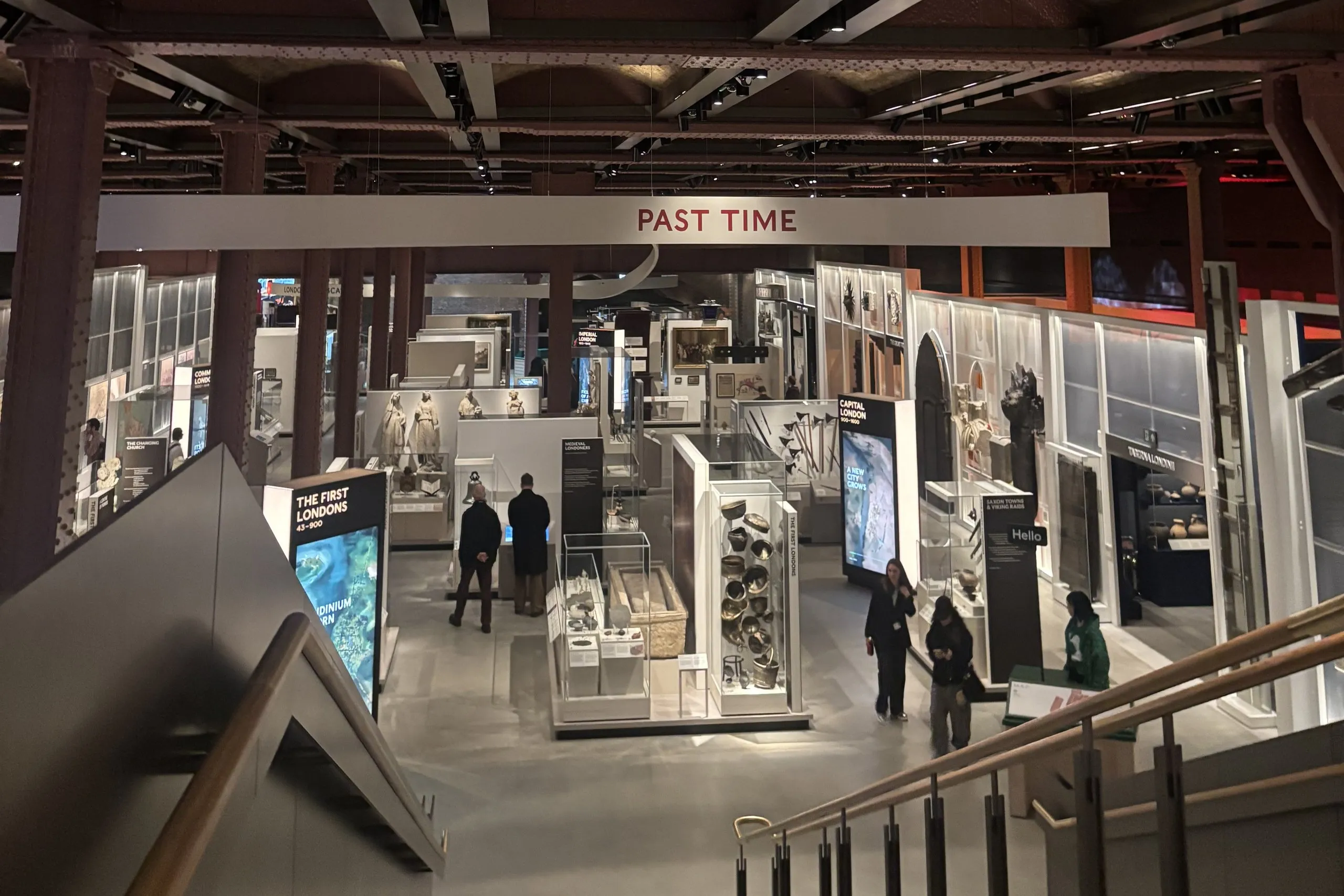
The galleries sit in what was once the General Market’s basement, where goods were stored below the trading floor, and the low lighting gives them a quieter, more intimate feel than the hall upstairs. That makes Past Time the part of the evening where guests are most likely to stop and talk.
Dining and Catering:
The museum has four places to eat and drink, run with Green & Fortune and food curator Robin Gill.
Clerk’s House is an all-day restaurant drawing on London’s food history, situated at the back of the Our Time exhibition – meaning that guests can see the museums artefacts whilst dining.
Bartholomew’s is a bar serving cocktails from Mr Lyan Studio – inspired by Bartholomew Fair, which once took place on the land.
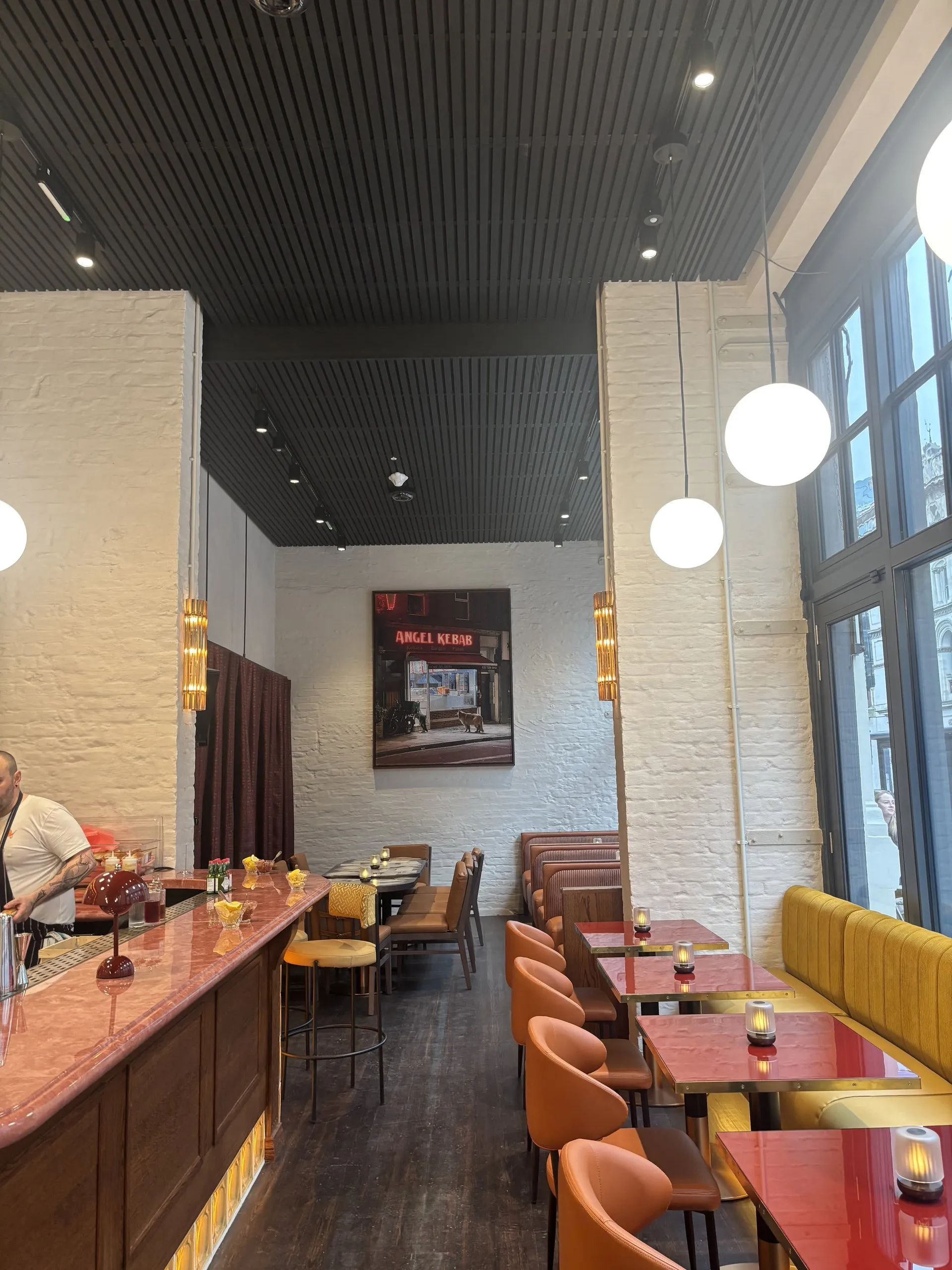
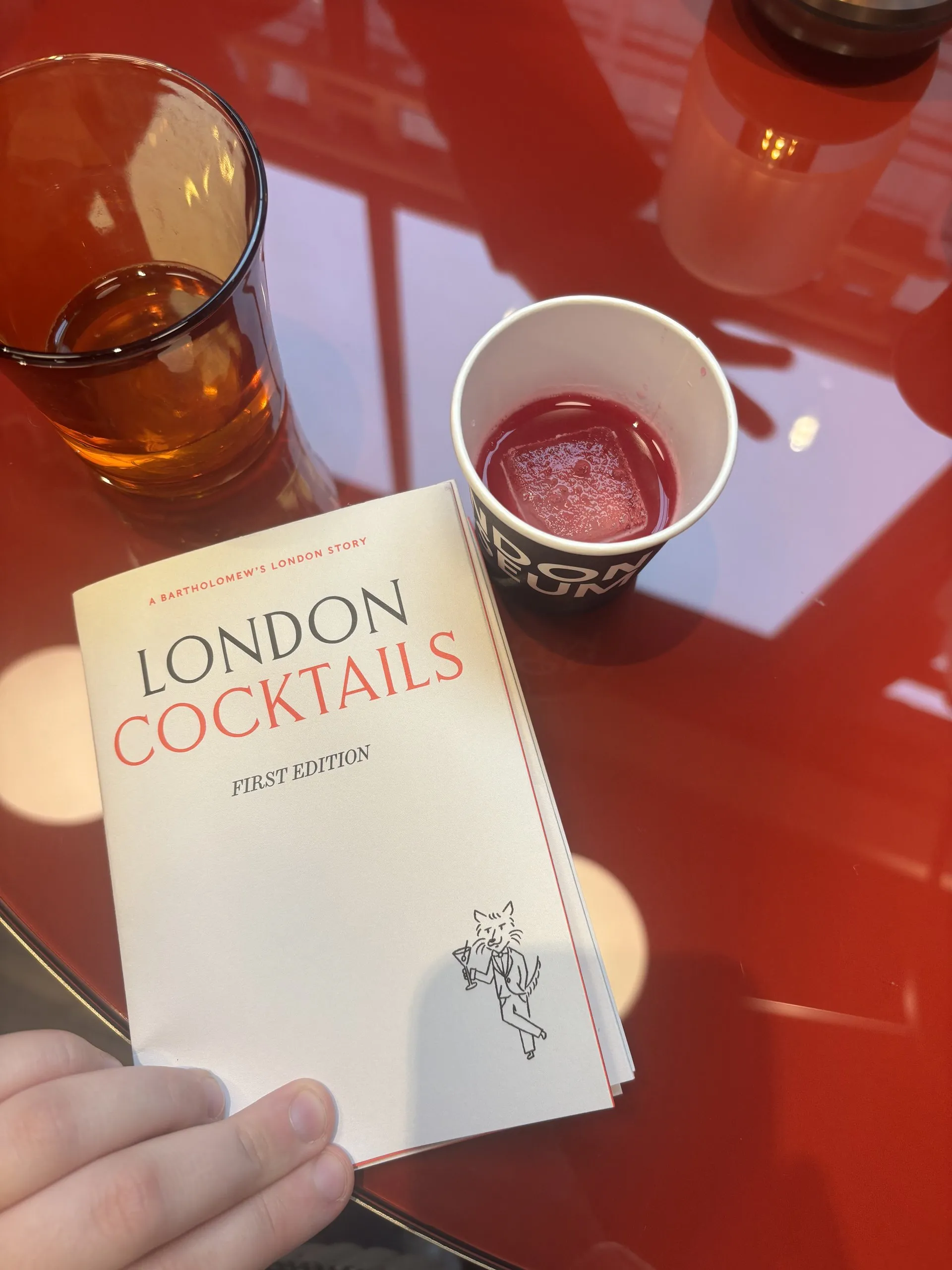
The Temperance Cocoa Rooms is an alcohol-free café that stays open 24 hours from Thursday to Sunday, and The Roost, opening in early 2027, will host a rotating line-up of up-and-coming chefs.
Menus will change with the museum’s programme, starting with a London Tastes afternoon tea and a Morley’s-inspired chicken sandwich for the Friday and Saturday lates.
All four dining spaces offer private dining options for event planners.
Our take
London Museum doesn’t want to be somewhere people visit once with the kids and then forget.
Throughout the preview, the team kept coming back to the idea that this is a museum for Londoners to learn about their own city, but also somewhere they simply go. Entry to the galleries is free, and the café stays open through the night from Thursday to Sunday. Friday and Saturday lates begin in December, with monthly House Parties and a Dinner Club following from February.
For the events industry, that’s what makes it interesting. London has no shortage of historic venues, but few have this much going on before an organiser has added anything. A guest can walk in off the street past live data screens, eat dinner under a Victorian dome and finish the night beside Roman London.
With up to 1,000 guests standing in Our Time alone, an 800 sqm network of rediscovered vaults opening in spring 2027 and the Poultry Market following in 2028, the museum looks set to become one of the City’s most interesting event spaces.