
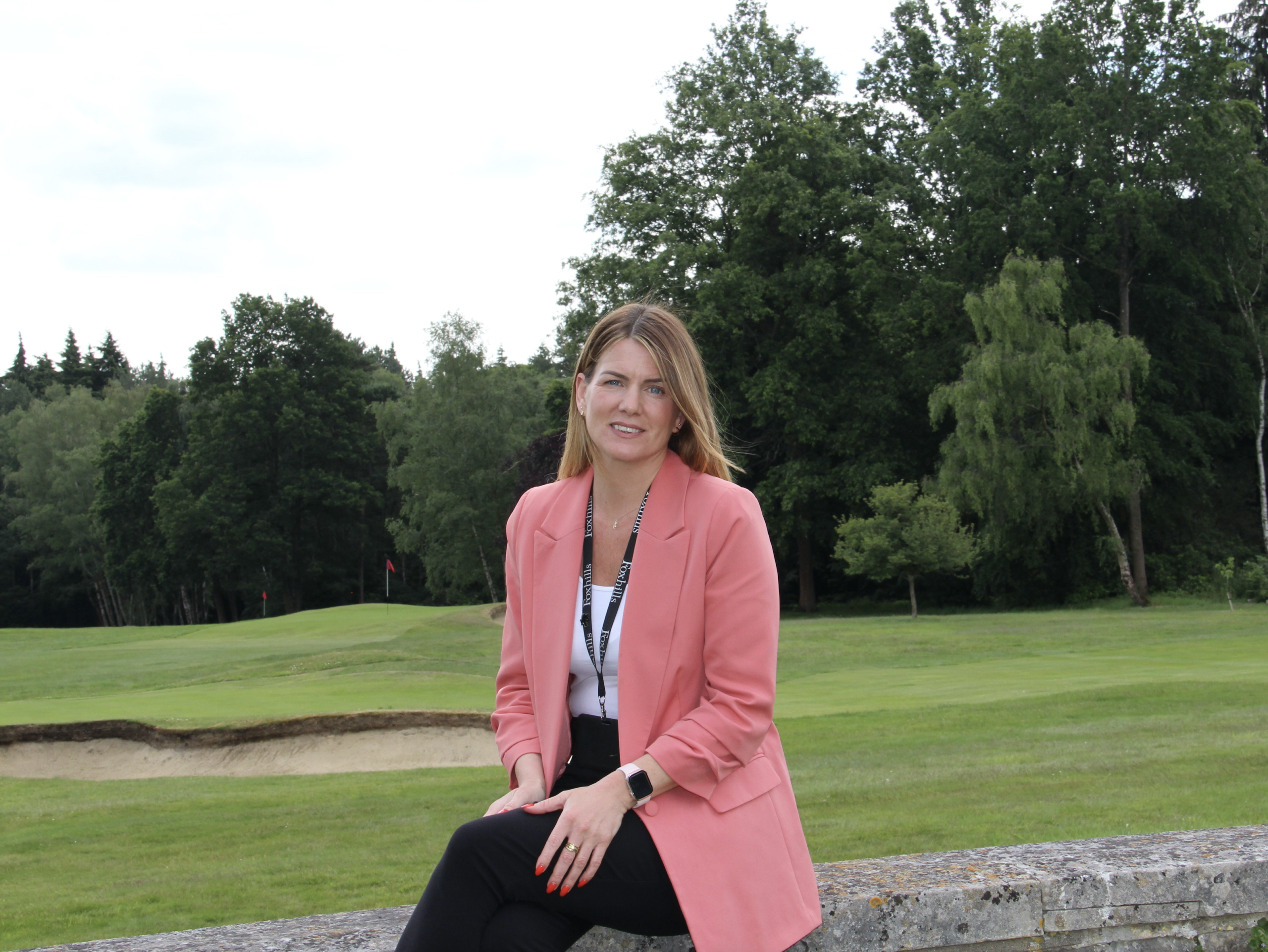
In this feature, we spoke to Kelly Elton, director of sales at Foxhills Club and Resort, about the venue’s approach to meetings and events, and how its privately owned status allows it to prioritise delegate wellbeing while remaining agile in a changing market.
Elton’s role involves setting Foxhills’ year-ahead goals, both financial and performance-based, and delivering them with the support of the in-house sales and events teams. Reflecting on her career path, she said: “I actually fell into the meetings and events industry. I entered hospitality through housekeeping, which is quite an unusual route to where I’ve ended up. Ultimately, I’ve always loved being around people and solving problems, and that aligns perfectly with this industry. It’s fast-paced, ever-evolving, and it just works for me.”
Being privately owned by the Hayton family enables Foxhills to take a more considered, flexible and distinctive approach to its meetings and events offering. For corporate groups, the venue places a strong emphasis on delegate wellbeing. As Elton explained: “We don’t want delegates stuck in a meeting room for eight straight hours.”
A culture built on flexibility and continuous improvement
Elton describes Foxhills’ approach to hosting meetings and events as a journey of constant improvement. She said: “What works now will need re-evaluating within a few months because the industry evolves so quickly. We’re privately owned, which means we have strong backing from the Hayton family. When infrastructure changes are needed to support growth, we’re supported all the way.”
That mindset extends across the wider team culture. One of Foxhills’ core values is continuous learning, with teams encouraged to understand not just their own inventory, but the wider industry and emerging trends, whether they represent a passing phase or a genuine shift in client expectations. Elton said: “We have a saying: you must make mistakes in order to take risks, but don’t make the same mistake twice. It gives us the freedom to think creatively. Every booking here is treated as unique.”
Designing meetings with wellbeing in mind
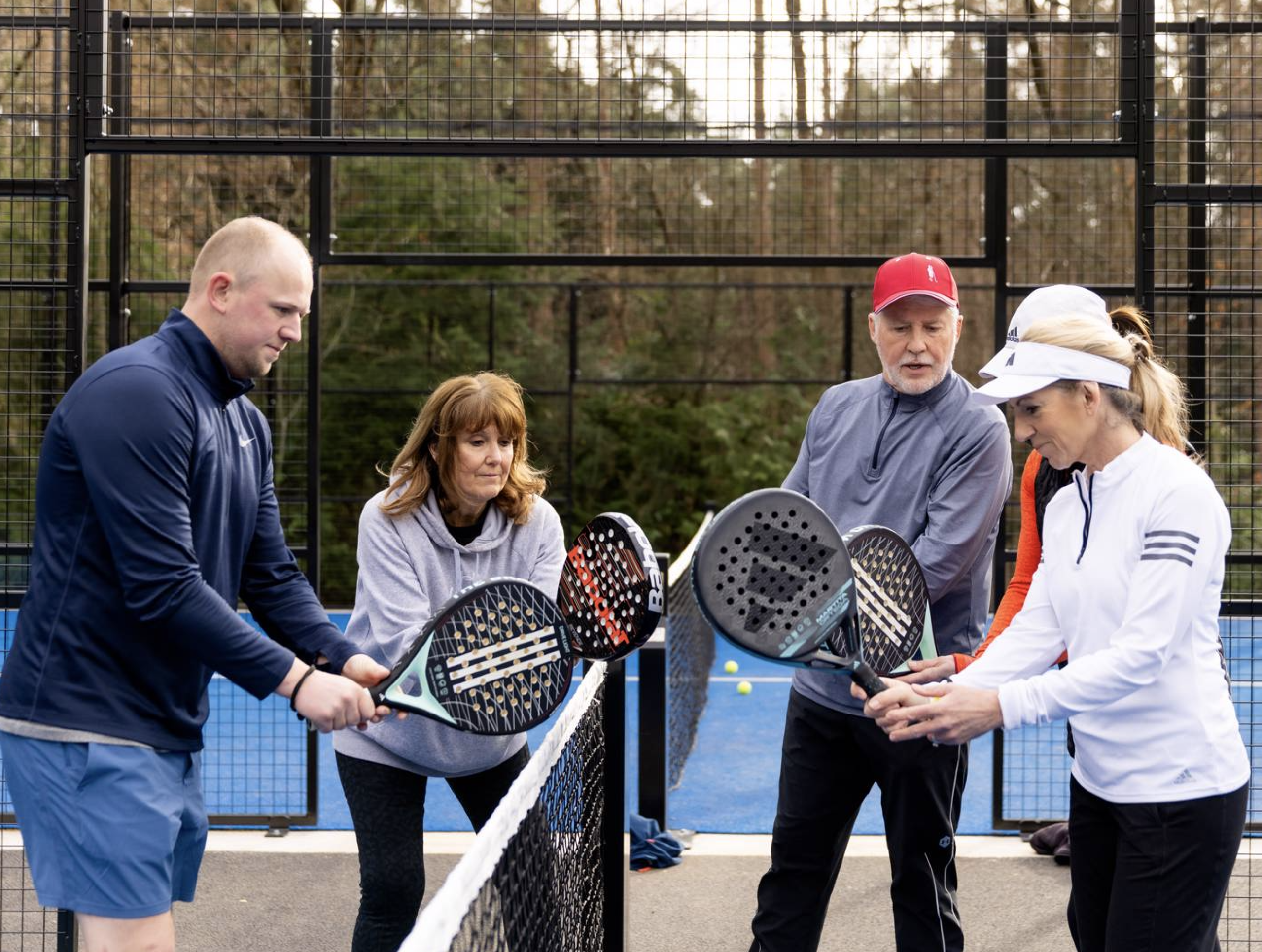
If an itinerary arrives packed with back-to-back sessions, the Foxhills team works closely with planners to introduce small but meaningful changes. That might mean hosting reception drinks in the art studio for a sip-and-paint session, or moving a group to the driving range instead of a static bar space. For the familiar 3pm slump, delegates may be offered takeaway coffees and a map for a woodland walk, encouraging fresh air and movement.
In addition, all residential delegates become Foxhills members for the evening, giving them full access to the estate. This could include activities such as a 6am Pilates class or an evening swim. Elton said: “Organisers generally receive this really well. That afternoon break can completely change the tone of the rest of the day. Often, planners simply don’t realise these options exist, so it’s our responsibility as a venue to educate and guide them. Delegate wellbeing should be at the forefront for everyone.”
She added that these moments outside the meeting room often help spark more productive conversations once delegates return to sessions, creating a better balance between focus and downtime. By encouraging movement, creativity and fresh air, Foxhills aims to support not just the mental wellbeing of delegates, but their overall engagement with the meeting itself.
What planners want now: flexibility and engagement
Each year, Foxhills conducts an industry-wide survey to identify emerging trends. This year’s results showed that team building is no longer viewed as a trend, but a necessity. The findings revealed that 90% of respondents consider team building central to company culture.
“With remote working, teams don’t get enough face-to-face time, so off-sites are essential,” Elton said. “Around 80% of our meetings now include some element of team engagement.”
The survey also highlighted the growing importance of flexibility. Foxhills has seen many three-day meetings reduce to two, meaning agendas must be more agile. “When we asked whether planners preferred active wellness, creative activities or more traditional formats, it was a perfect split. That proves choice is key.”
Leading with trust and clarity
Reflecting on her leadership approach, Elton is clear that it continues to evolve. She said: “I’m still learning, but the most effective teams I’ve managed operate with open communication, clear objectives and a constant drive to improve.” she said.
That philosophy is reinforced by the same culture of trust and accountability that runs throughout the resort. “Our ‘take the risk, make the mistake but not twice’ approach underpins everything. There’s no fear of repercussions for trying something new. We have full support from the owners, and that empowers the team to be bold.”
Investing for the future while managing costs
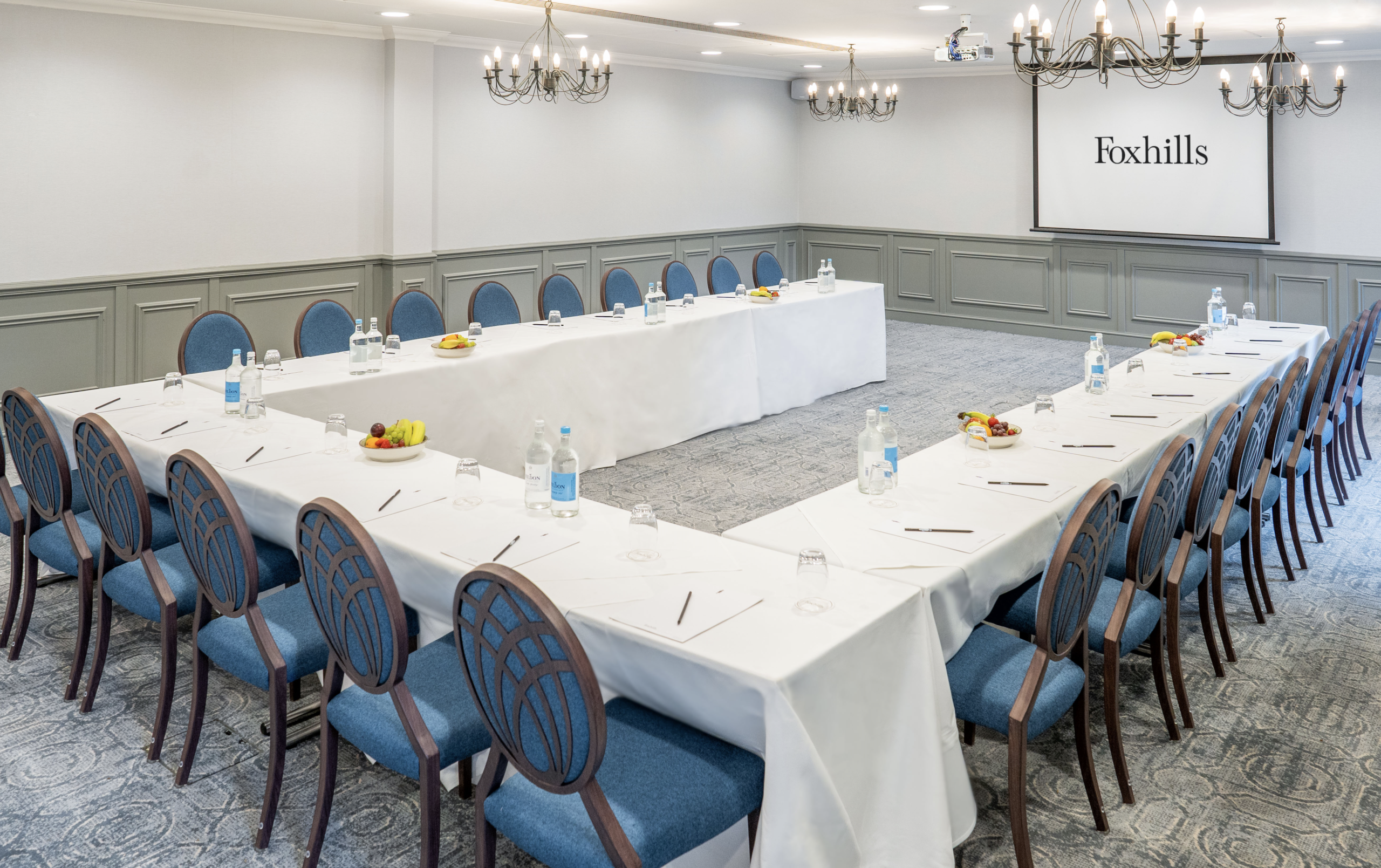
As a result of these changing expectations, Foxhills has adapted its strategy accordingly. With nearly 6,000 members, the venue must carefully balance access to facilities between members and corporate guests. This has led to extended operational hours, additional classes and the introduction of bespoke sessions such as breathwork or yoga ahead of meetings.
The venue is also evolving how it delivers refreshment breaks. Rather than planners dictating scheduled break times, Foxhills will soon introduce a shared tea and coffee room on the second floor, allowing refreshments to be available throughout the day.
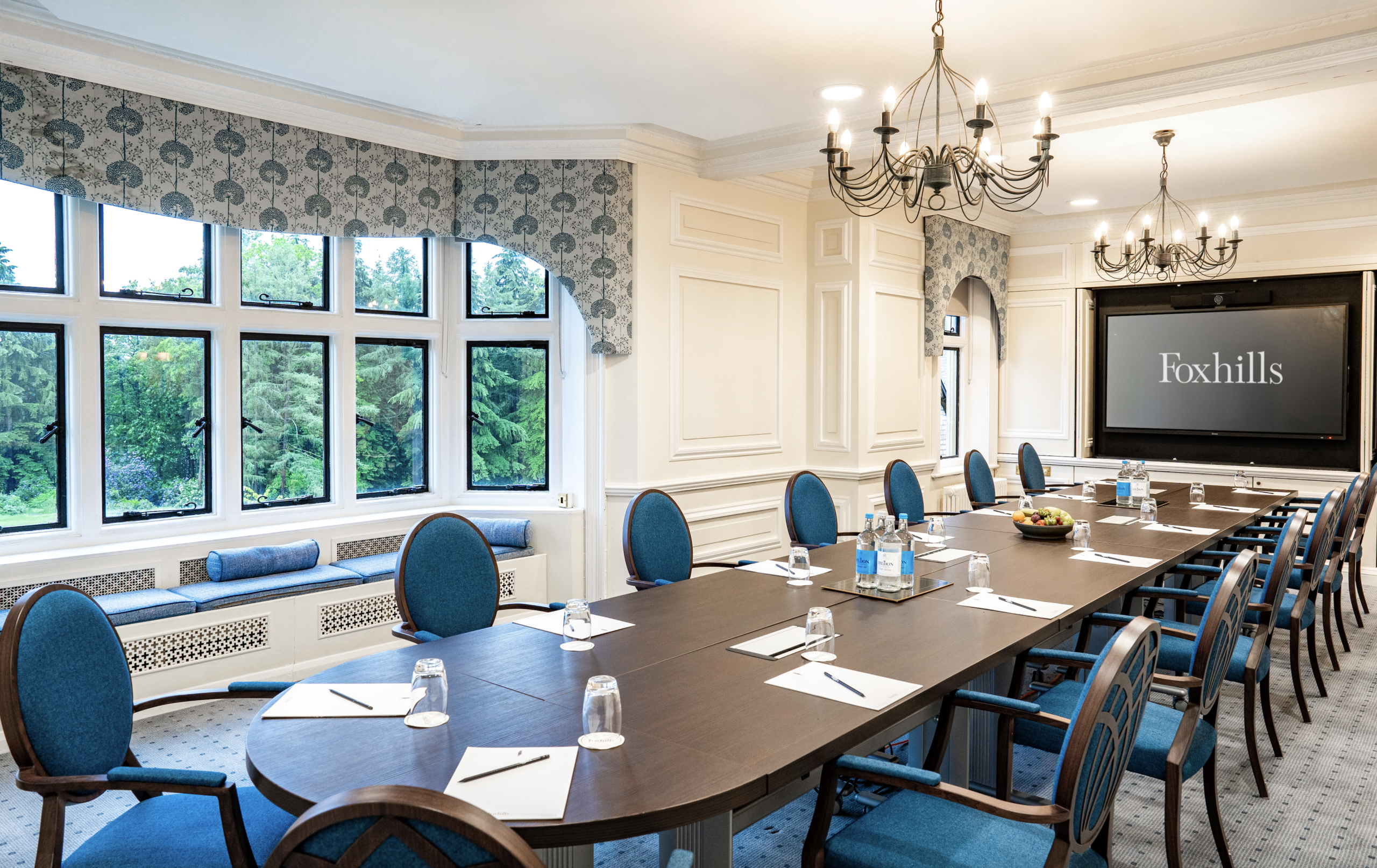
Like many venues, rising operational costs remain a significant challenge. One initiative currently under review is whether conference-table bottled water could be replaced with water coolers, improving both cost efficiency and sustainability without reducing the delegate experience.
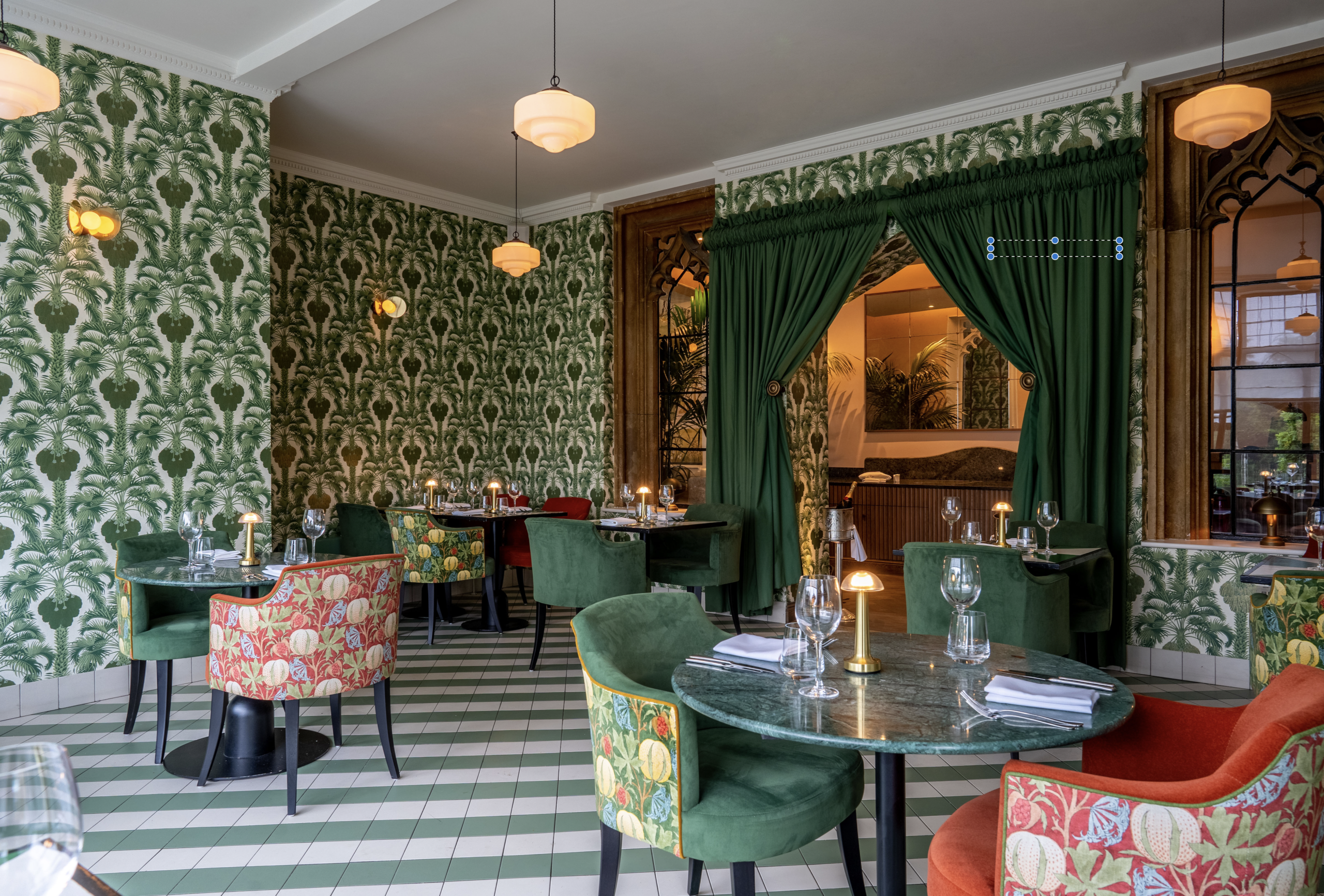
Looking ahead to 2026, Foxhills is preparing to begin a nearly £2 million investment in the Manor House, which will reopen with a new bar and lounge, a relaunched restaurant, and a new concept yet to be revealed. As Elton concluded: “The appetite to invest in Foxhills remains extremely strong.”