
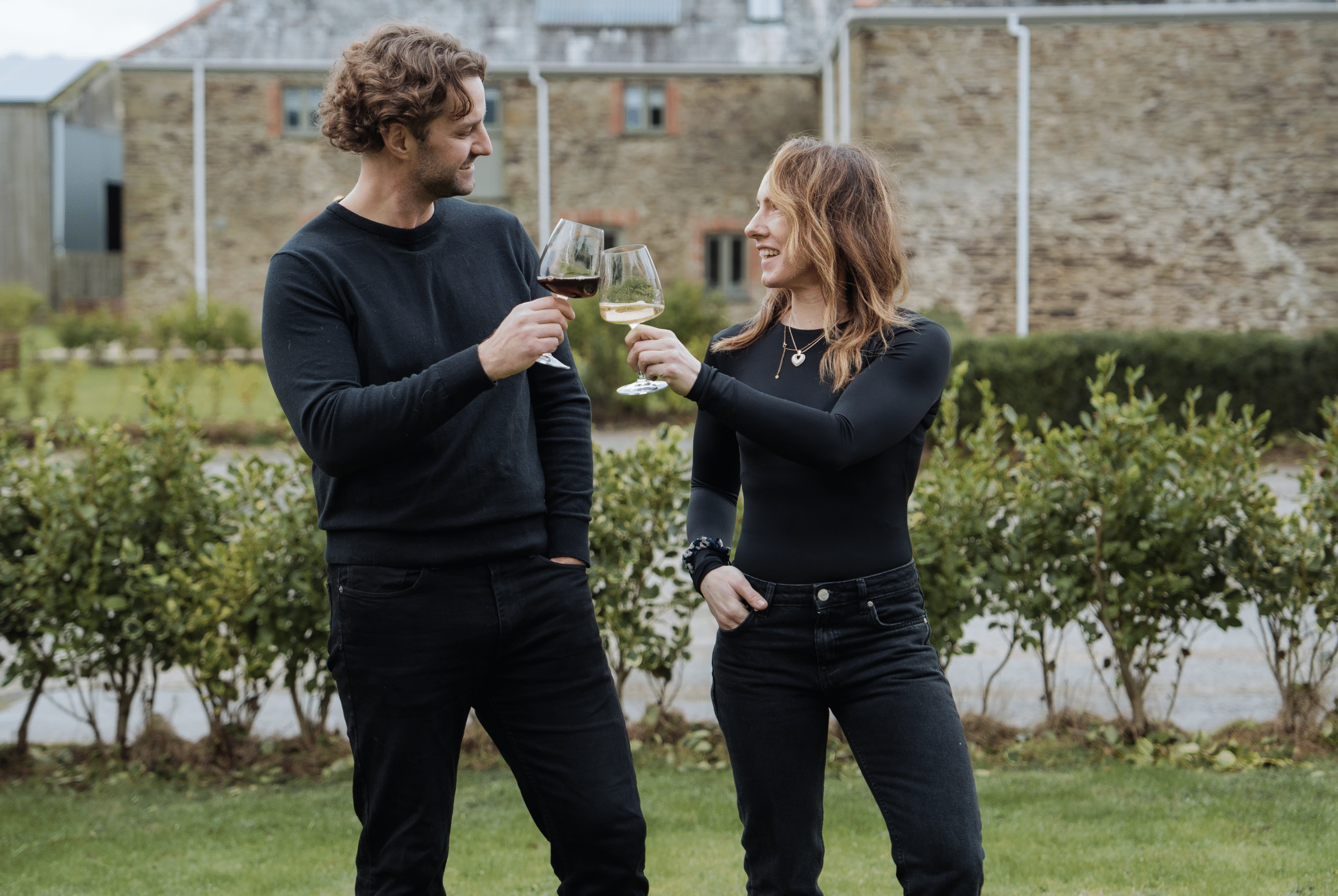
In this feature, we speak to Fiona Graham, co-founder of Vino Zero, a company which specialises in dealcoholised wines, about her journey with alcohol, the challenges of supplying low or no alcohol products to venues and why events sometimes lack alcohol free options.
The events industry has an alcohol problem.
From welcome drinks to wine at dinner, and the cocktails circulating at networking events, booze is everywhere. With alcohol flowing freely, shouldn’t low and no-alcohol options be just as accessible for delegates?
Statistics show that trends in alcohol consumption have shifted dramatically over the last few years, with 26% of 16-24 year olds reportedly not drinking alcohol in the previous 12 months, compared to 19% in 2011. As well, increasing portions of the adult population have reported participating in the Dry January challenge to reset habits and boost wellbeing.
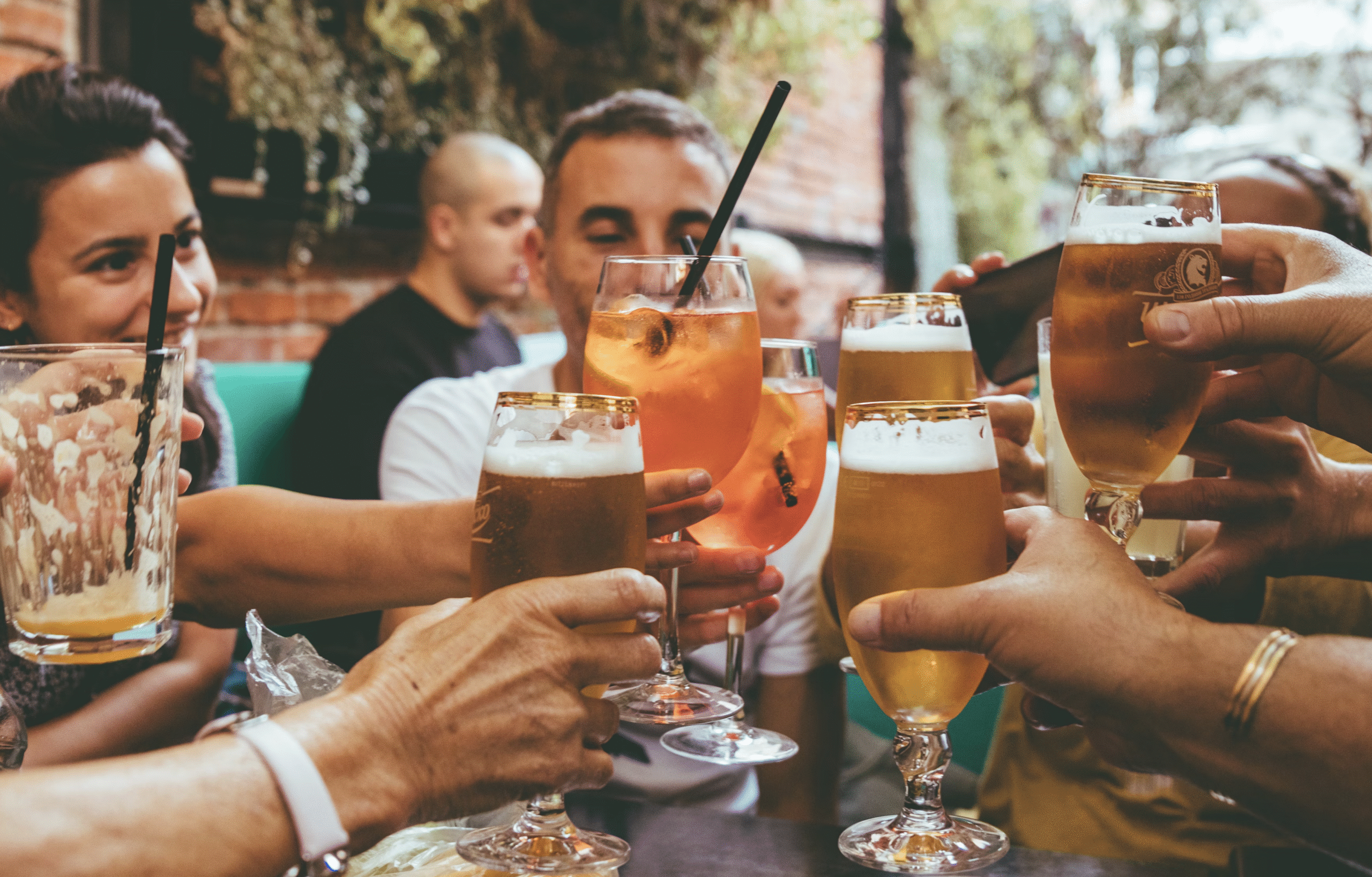
Between 2019 and 2024, the number of people planning an alcohol-free journey more than doubled from 4.2 million to 8.5 million. Fiona says: “People are starting to be more aware of their wellness, more aware of the experiences that they have. They’re starting to challenge the status quo around our cultural relationship with alcohol. There’s a whole spectrum of people, for whatever reason, who are choosing not to drink or are challenging it.”
Fiona’s personal journey with alcohol inspired the creation of the Vino Zero brand. She began drinking at university, and after graduating, her career as a business architect brought frequent travel and countless corporate dinners. Over time, she realised her drinking had become excessive and often solitary.
That realisation marked the start of her journey to quit alcohol and redefine her relationship with it. Initially, deciding to quit overnight. She says: “I ultimately realised that to be able to be successful in choosing not to drink I had to not only include my friends and family in what was going on but also I needed options that felt like I was being included in the social dynamics that were going on. Then, when I started going out, I realised that I didn’t have option that were great or I was drinking a lot of non-alcoholic beers which wasn’t really my thing.”
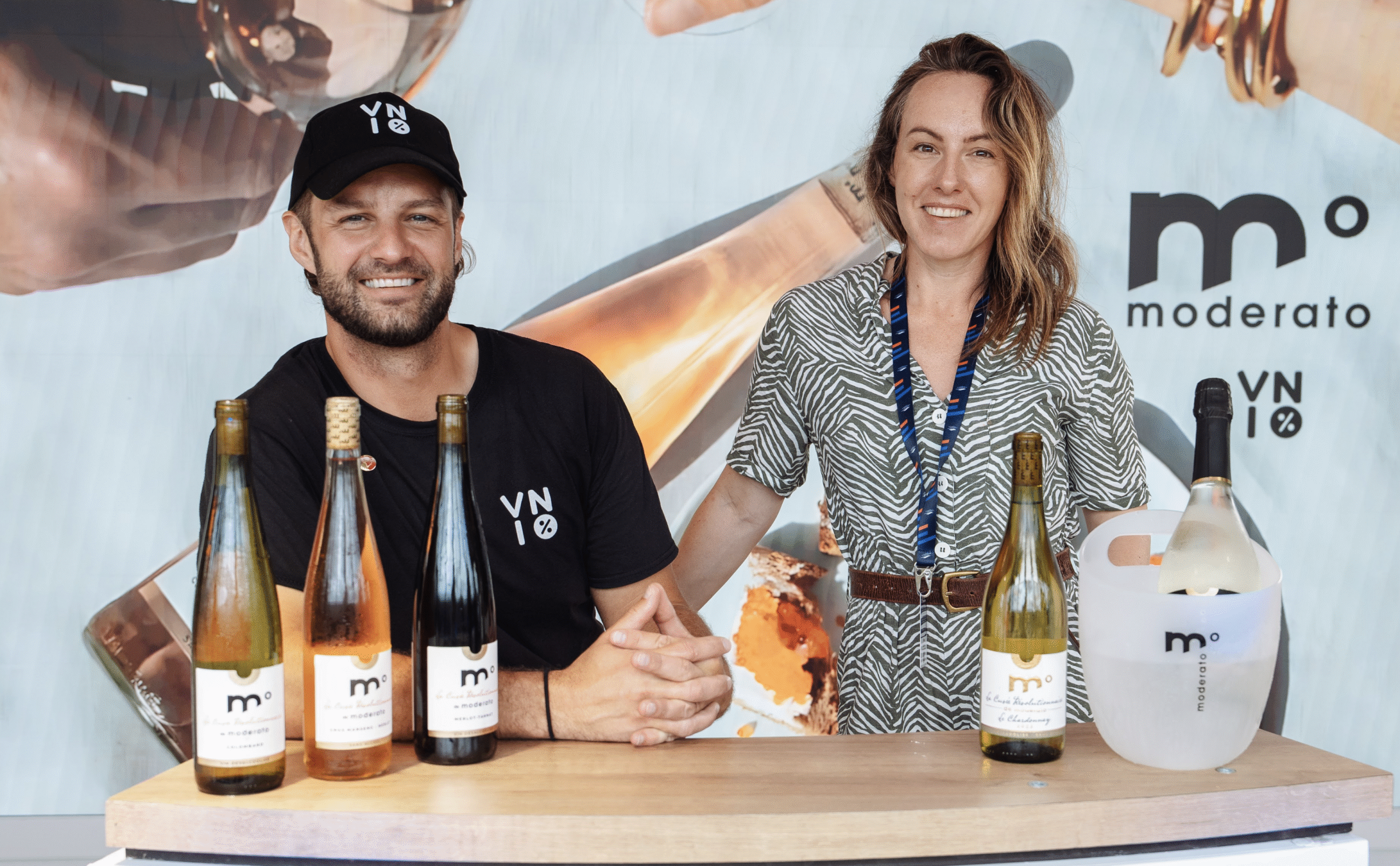
She specifically realised that quality non-alcoholic wines were few and far between. When she shared her frustration with friend and sommelier Alexander Voil, now her business partner, the concept for Vino Zero was born.
She says: “About 80% of the non-alcoholic wines were terrible but around 10 to 20% were actually pretty good and that’s what Alex introduced me to. What surprised me most was how different it felt to have an option that let me sit at the table, eat, and drink with everyone else. For the first time in years of choosing not to drink, I felt included, like I could enjoy an evening without constantly thinking about not having alcohol. That moment was a big part of accepting that alcohol probably wouldn’t have a place in my life anymore.”
Following this, they launched the wines in the UK and quickly discovered a growing appetite for quality non-alcoholic options. Today, Vino Zero works with wholesalers, supplies restaurants, cafés and bars directly, and sells through its online shop, where most of its customers are based. The brand also features at events, including major events such as Glastonbury and Silverstone. She says: “It’s growing, and it’s growing quickly. This month, our revenue matches what we achieved in our entire first year. The business is expanding fast, and that really reflects the rising demand for quality non-alcoholic products.”
When it comes to events, Fiona admits she’s often struck by how few alcohol-free options are available, especially at a time when more people are choosing to drink less, or not at all. It’s a gap she believes highlights how far the events and hospitality industries still have to go in catering for everyone at the table.
So why the hesitation from organisers and venues?
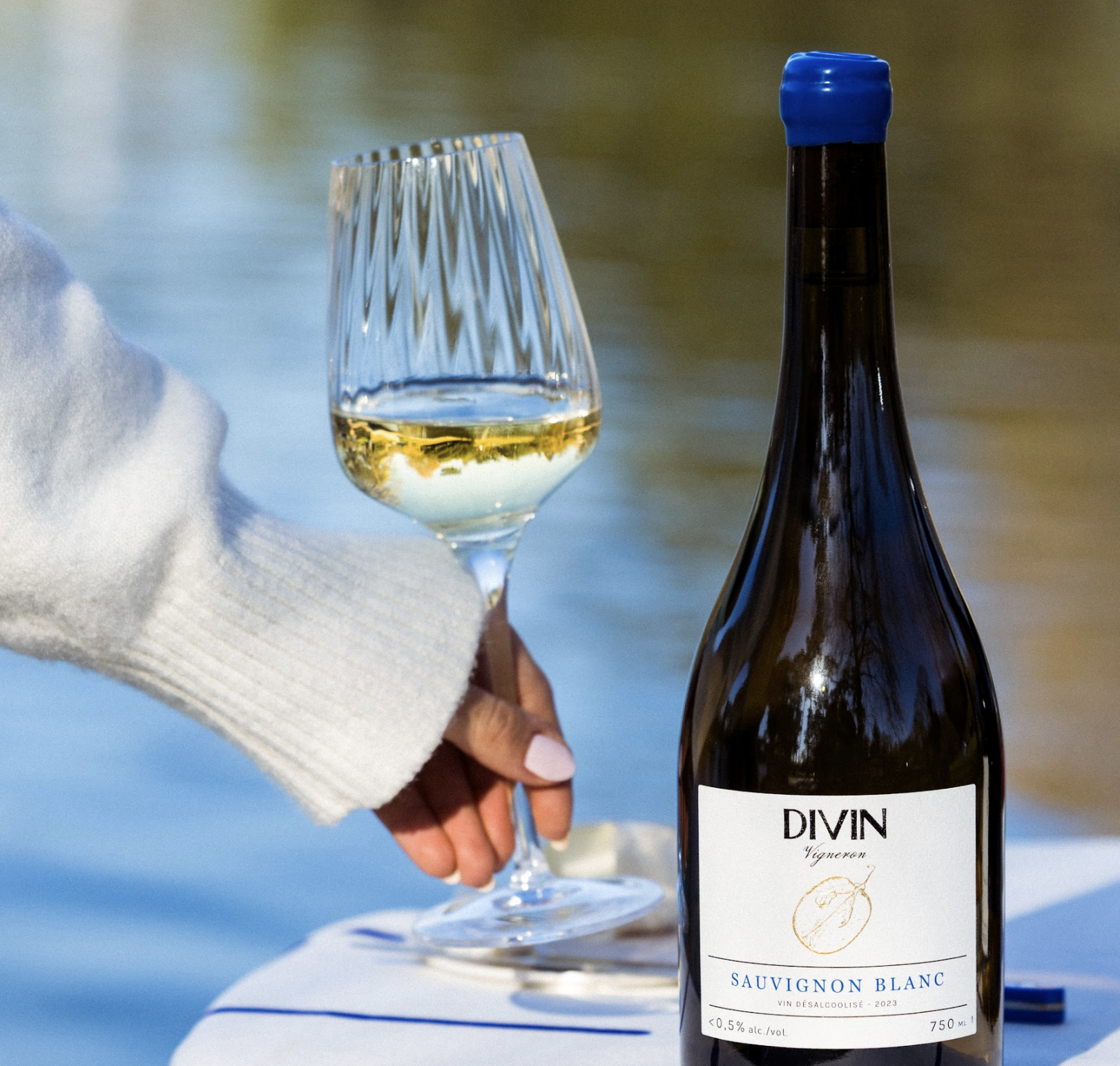
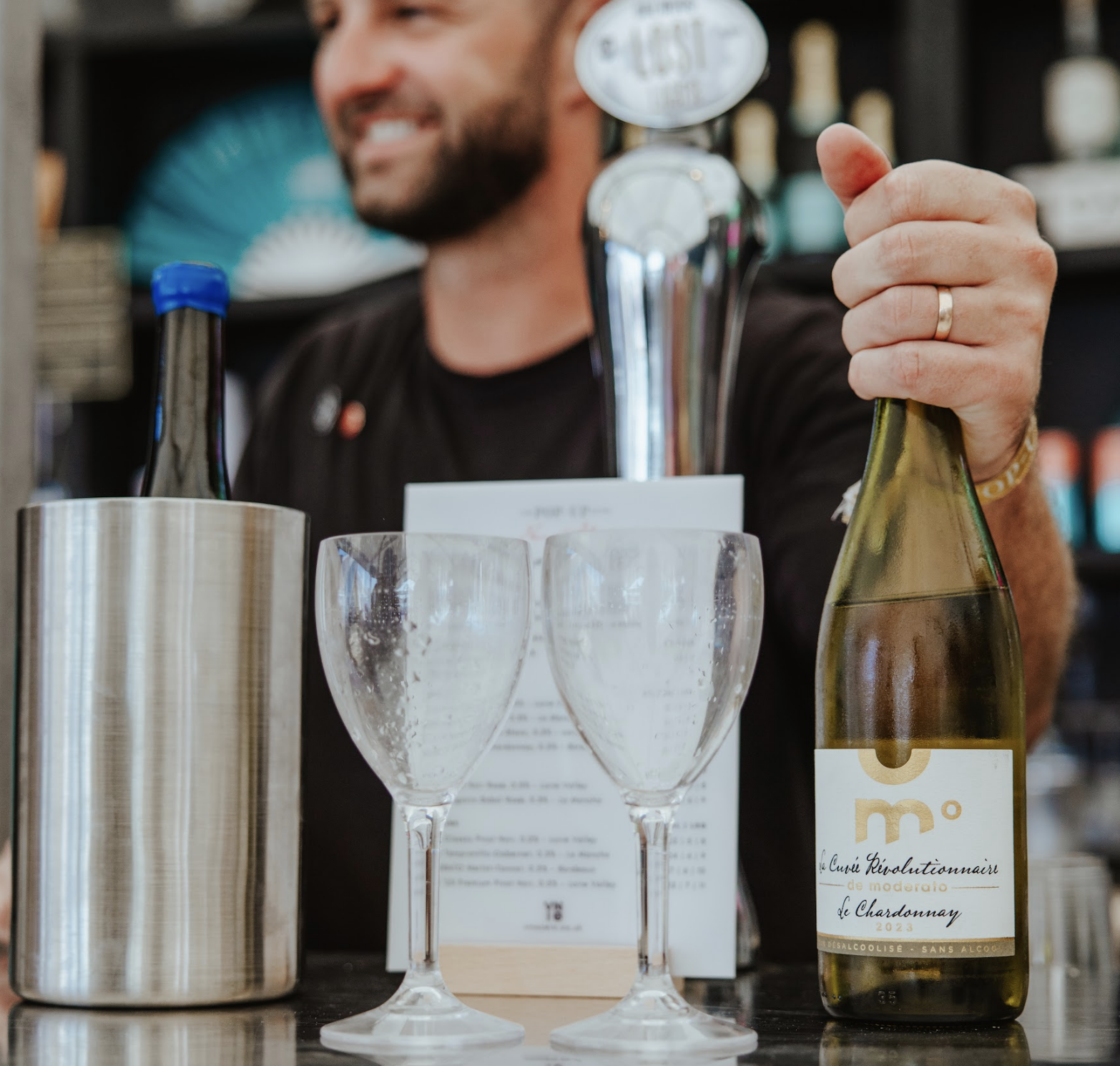

She explains: “I think it’s twofold. First, many events are restricted by the venues they use. For example, if you’re hosting a large corporate event at a rooftop bar in London, that venue will already have a contract with a specific wholesaler, which limits the drinks available and most of those lists simply don’t include good non-alcoholic options.”
“Second, a lot of the big wholesalers are difficult to work with. We partner with four now, but it took around eight months to secure each one because they were so resistant to bringing new products on board. Many worry that stocking non-alcoholic drinks will cut into their alcohol margins, rather than recognising it as a new revenue stream.”
“The other issue is mindset. People running bars often make decisions based on what they personally want to drink, not what consumers are asking for. They’re not always thinking about the demand and that’s where the opportunity is being missed.”
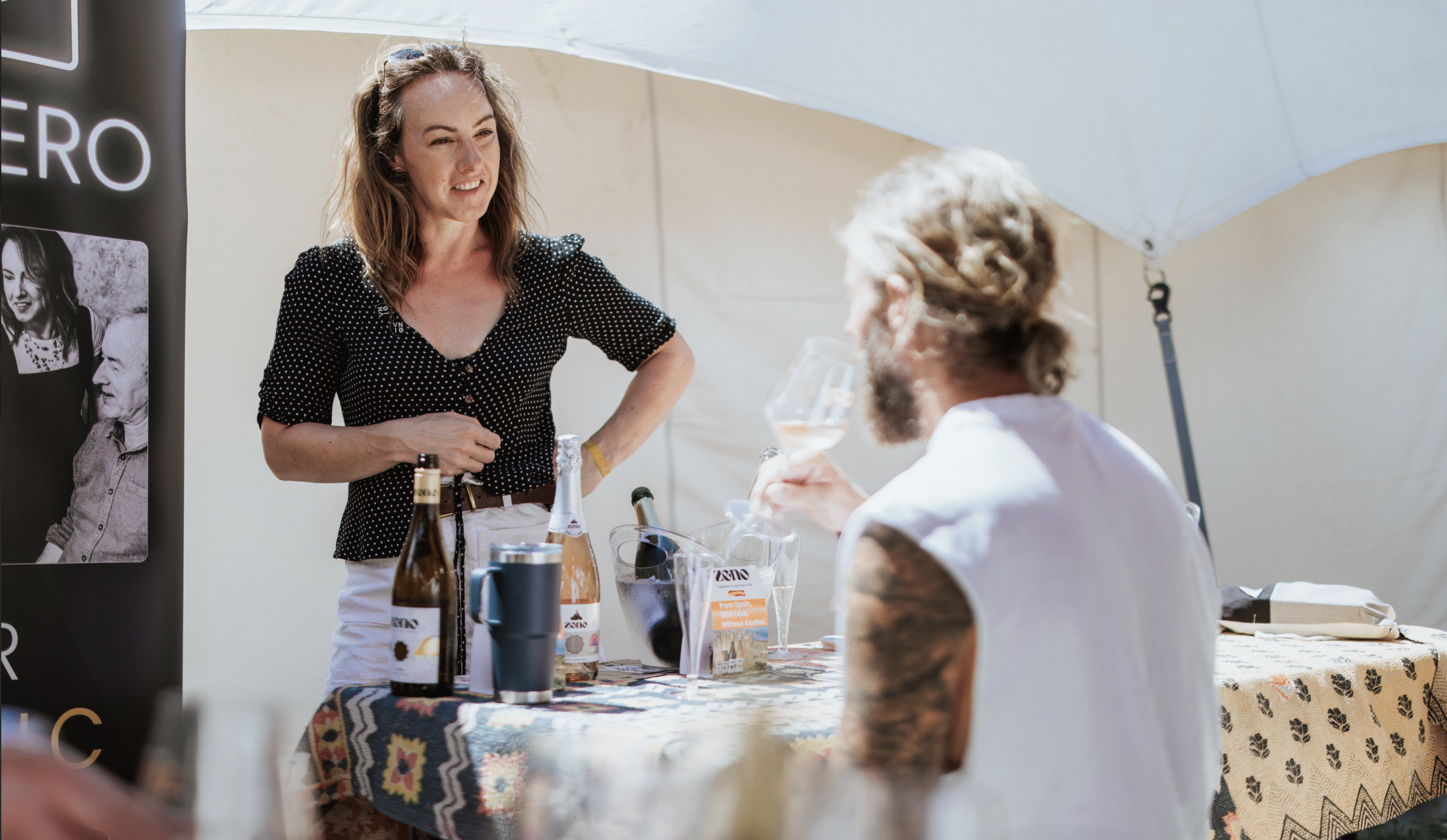
Many venues have a contract with a specific wholesaler, meaning that the venues, are restricted to the list that wholesalers provide and cannot freely choose to add non-alcoholic options that could risk them breaking their wholesale contracts.
Fiona says: “I think just as a standard, it needs to be non-negotiable that good non-alcoholic options are just made available to your guests. It shouldn’t be that there is complexity with the venue or the wholesaler agreement it should be no – we will have a good non-alcoholic offering, that is a non-negotiable for us and if you’re unable to supply it, then we’ll supply it ourselves.”
She adds: “Every guest that is turning up to any one of your events, whatever it might be, should have the option of choosing alcohol or not, choosing to drink or not and that shouldn’t’ be a question.”
For Fiona, Vino Zero is more than a business – it’s a symbol of change. What started as a personal decision has become part of a broader shift towards balance, choice, and inclusion.
And as the events world continues to evolve, perhaps it’s time we all raised a glass, whether filled with wine or not, to a more mindful future.
The conversation around alcohol is changing, and with it comes an opportunity for the industry to redefine what celebration, connection, and hospitality truly mean.