
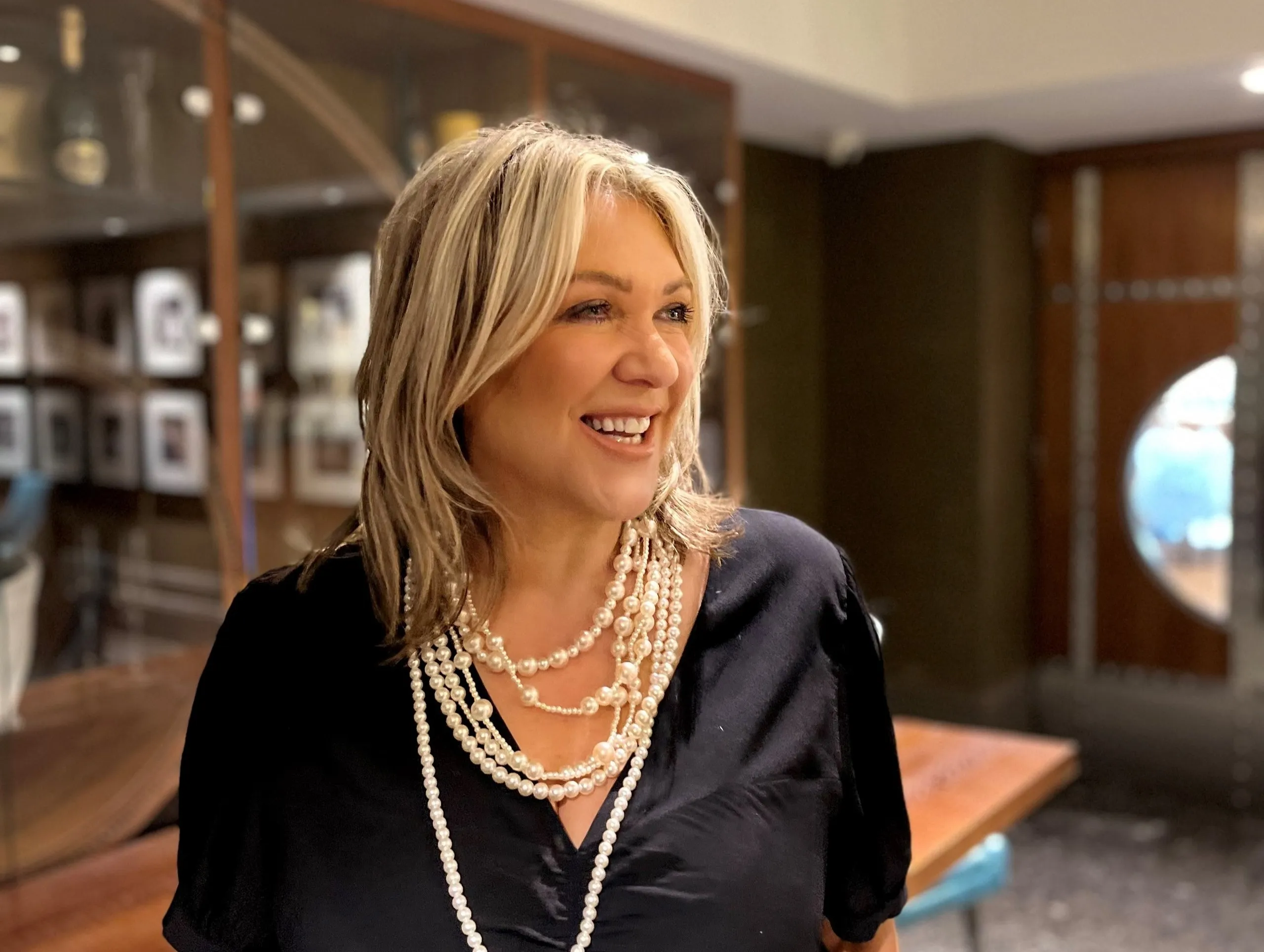
By Katie Niland, commercial director at The Belfry Hotel & Resort
What if the most memorable part of an event wasn’t the event itself? As delegate expectations evolve, organisers are looking beyond agendas and networking sessions to create more complete travel experiences that leave a lasting impression.
We still host plenty of traditional conference events at The Belfry, and they suit certain clients well, but an exciting format is also starting to dominate booking enquiries: blended conferences. This type of event offers a 360° experience for delegates, giving them room to extend their stay explore and learn beyond the conference itself – something we’re seeing planners of multi-day events increasingly take advantage of as they seek to marry engagement and satisfaction with convenience and comfort.
Why the shift is happening
Delegates increasingly expect conferences to deliver memorable experiences, not just presentations and networking. Conferences are no longer isolated moments; they’re part of a broader delegate journey, and clients are booking with that in mind — looking for a destination that can offer scale, sustainability and flexibility, alongside getting the basics right. It reflects a broader move from viewing business travel as purely transactional to seeing it as an opportunity to create value for both organisations and individuals.
Two other forces are accelerating the trend. Hybrid work has reshaped expectations, so people are far more comfortable mixing work with travel. Adding that to the fact travel is expensive and international destinations are increasingly volatile in terms of both climate and politics, extending a stay closer to home is becoming an appealing way to enjoy new experiences and a slice of luxury without the added risk. Employers, in turn, are more open to staff extending work trips for personal time, particularly when costs are managed responsibly — giving destinations a real opportunity to invite delegates to stay longer.
What standout venues are doing
What sets standout venues apart is their ability to offer choice and fluidity, such as resorts where guests can shape their experience around business, relaxation and connection without ever leaving the destination. At The Belfry, we’ve seen a growing number of overnight delegates taking the opportunity to unwind within their stay, and this all-in-one approach simplifies logistics for organisers while creating a more immersive environment for delegates.
Organisers are responding accordingly: choosing destinations with strong leisure appeal, deliberately building free time for exploration into agendas, and partnering with hotels and tourism boards on extended-stay packages. Prioritising wellness doesn’t have to be elaborate either, a spa treatment, a trip to the pool, or a simple stroll around a beautiful resort are simple additions that give positive impact. This is because workers who are genuinely revived are more likely to work harder and be more productive, and for organisers that can translate into higher attendance, stronger engagement, and a greater economic impact for host cities through longer visitor stays.
We’re seeing that demand for wellness is translating into real changes on the ground. Private group yoga and Pilates sessions for clients are increasingly requested, alongside Hyrox for delegates after something more intense. Residential guests can join a morning running club before the day’s agenda starts, and dining is shifting away from formal, indoors-only settings towards something more relaxed and informal, with a lot of it moved outdoors. Evenings are changing too, with competitive socialising increasingly replacing standing around the bar. To support early starts and late finishes, we’ve also extended the opening hours at The Belfry Club.
A case in point
Our Masters Suite, approaching its first anniversary, is a useful illustration of this principle in practice. Its popularity with organisers comes down to the flexibility it offers, and that’s amplified by what sits around it: 468 bedrooms on-site for delegates, a cutting-edge fitness and wellness hub in The Club, three restaurants including the double AA rosette Ryder Restaurant, three world-renowned golf courses, and an award-winning spa for anyone looking to properly switch off. Delegates bringing family can even swap into a family room and turn the trip into a holiday. It’s this kind of choice, all under one roof, that makes a blended event work, and it’s a model other venues are increasingly looking to replicate.
Ultimately, what distinguishes today’s leading conference venues is their ability to think holistically, and it’s this combination of scale and experience that’s setting new benchmarks for the future of conference destinations.
Future outlook
As blended conferences increasingly become the norm, conferences may begin to resemble festivals or retreats rather than traditional meetings, with wellness, family-friendly options and local immersion becoming standard expectations. Success, in turn, may be measured not just by attendance, but by local economic impact, post-event community engagement and participant wellbeing.
Ultimately, it comes down to striking the right balance between business and personal wellbeing. Today’s delegates want more from their time away, and it’s a shift we’re well placed to meet: with world-class meeting facilities, championship golf, a luxury spa and outstanding hospitality all under one roof, we can build experiences that are every bit as memorable outside the meeting room as they are within it.