
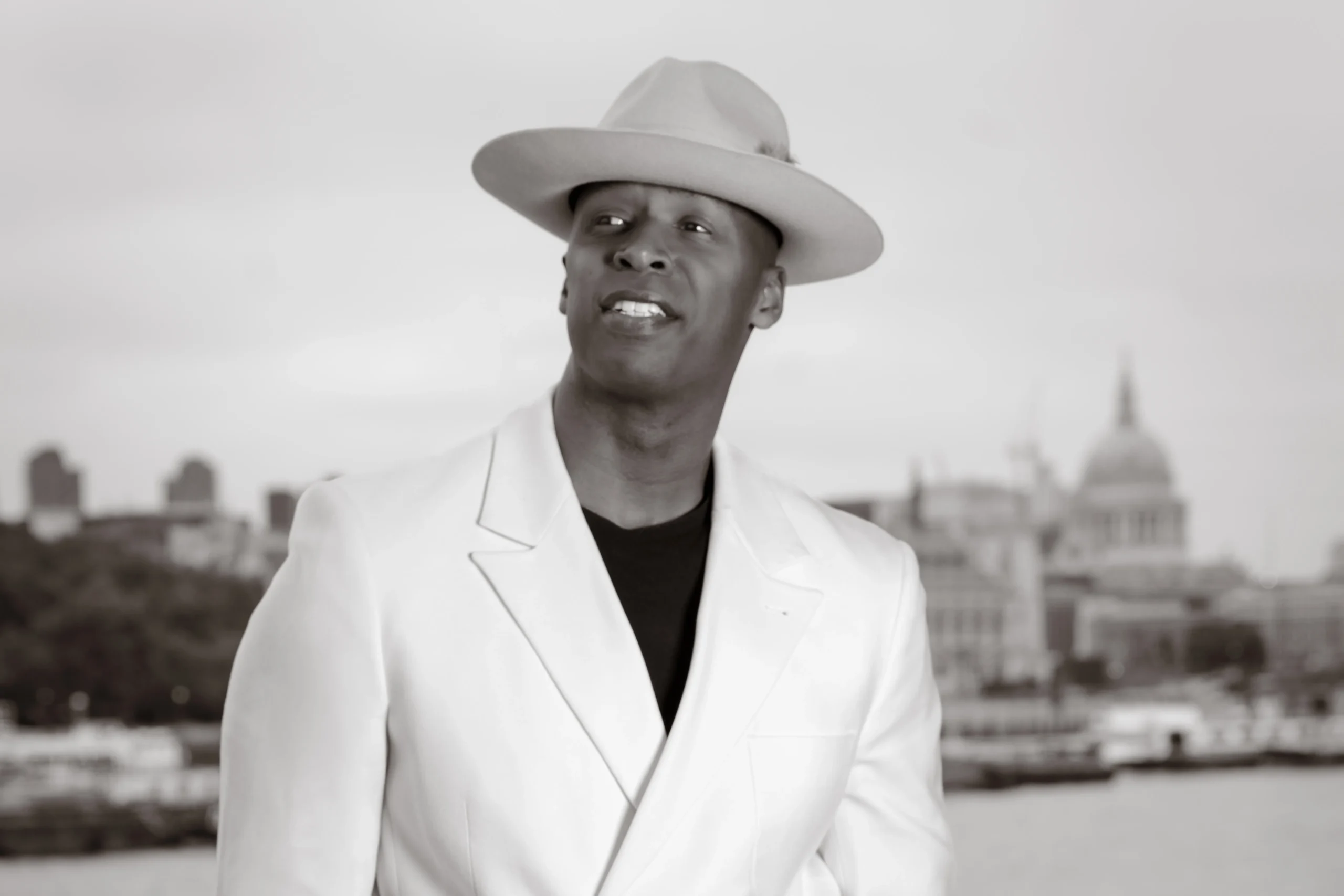
By Kwame Knight, Creative Producer, Events by Knight
I started my career on stage, not in a production office.
More than two decades ago, I was a performer, working on shows involving artists including Kylie Minogue, Sir Tom Jones and Sophie Ellis-Bextor. Being part of live performances at that level taught me something that continues to shape the way I produce events today.
Guests may not understand everything happening behind the scenes, but they always know how an event makes them feel.
They notice when the lighting changes and the atmosphere shifts. They feel the excitement building before an artist takes to the stage. They also notice the awkward pause when nothing happens and hundreds of people begin looking at their phones.
Those moments between the main moments matter.
Today, many large-scale events are delivered by several specialist suppliers. One company provides sound and lighting, another manages catering and another supplies the staging. Entertainment, styling and creative direction may all sit with different teams.
Each supplier can be excellent at what they do. Every element can be delivered exactly as agreed, yet the event can still fall short, because nobody is bringing everything together to create the complete guest experience.
The challenge is not the number of suppliers involved. It is ensuring that everyone is working towards one clear vision.
An event is not a collection of separate services. It is a live experience made up of hundreds of connected moments. The lighting designer may have created a beautiful stage. The catering team may have planned the service perfectly. But guests do not experience those elements separately. They experience the transition from the drinks reception into dinner. They experience the pause between the final speech and the first song. They experience whether the room feels exciting, welcoming, flat or confusing.
That is where events either come alive or begin to lose their energy.
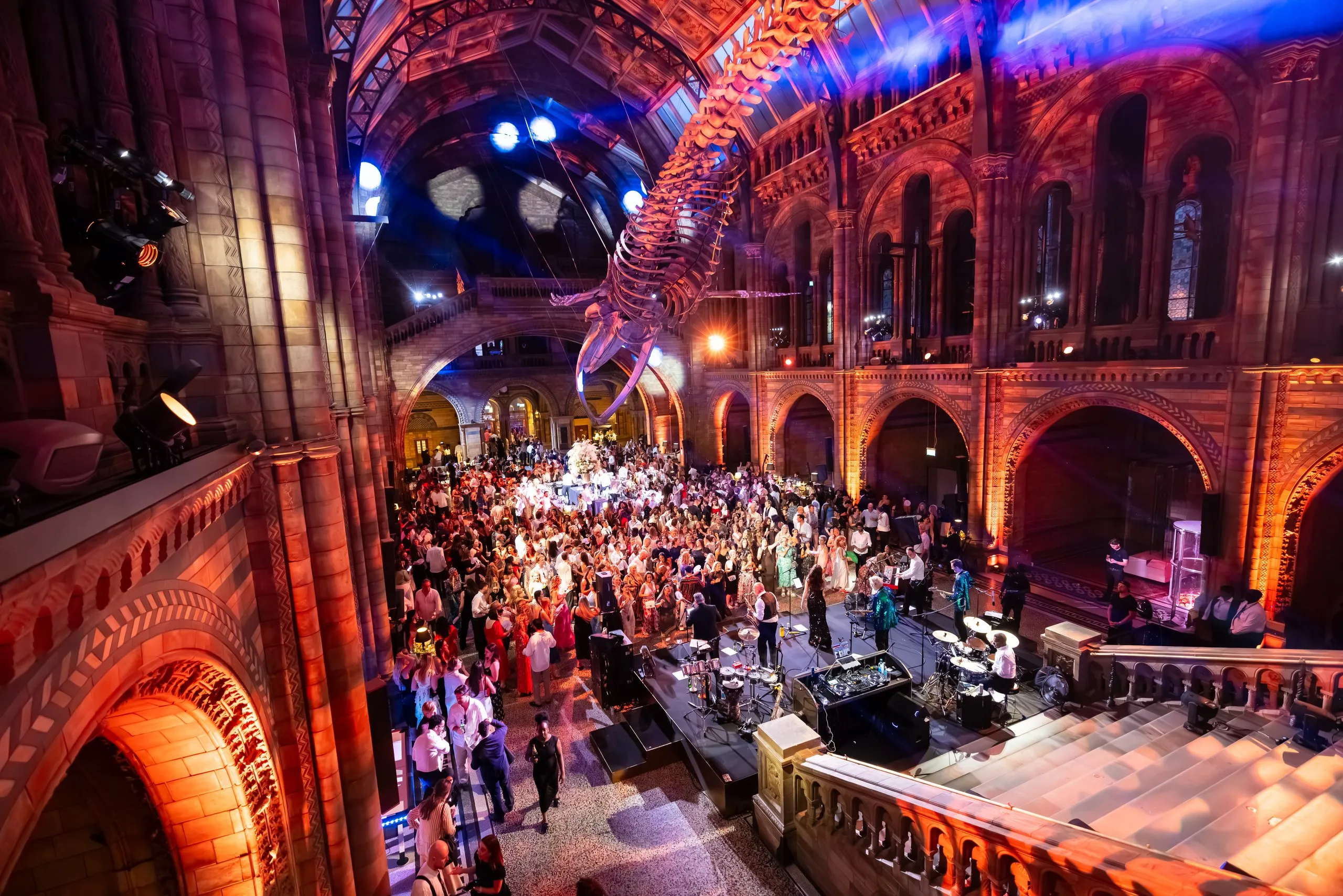
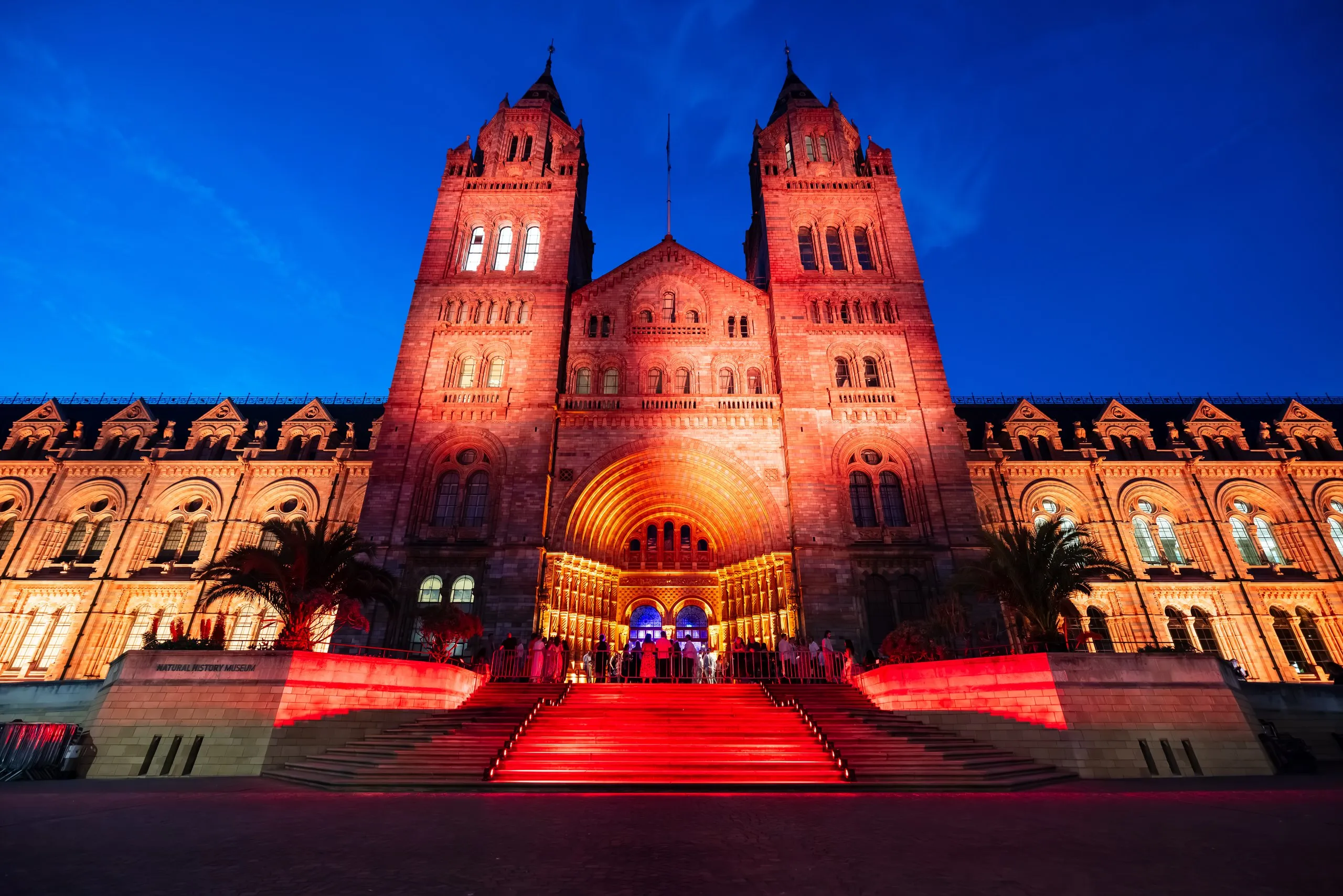
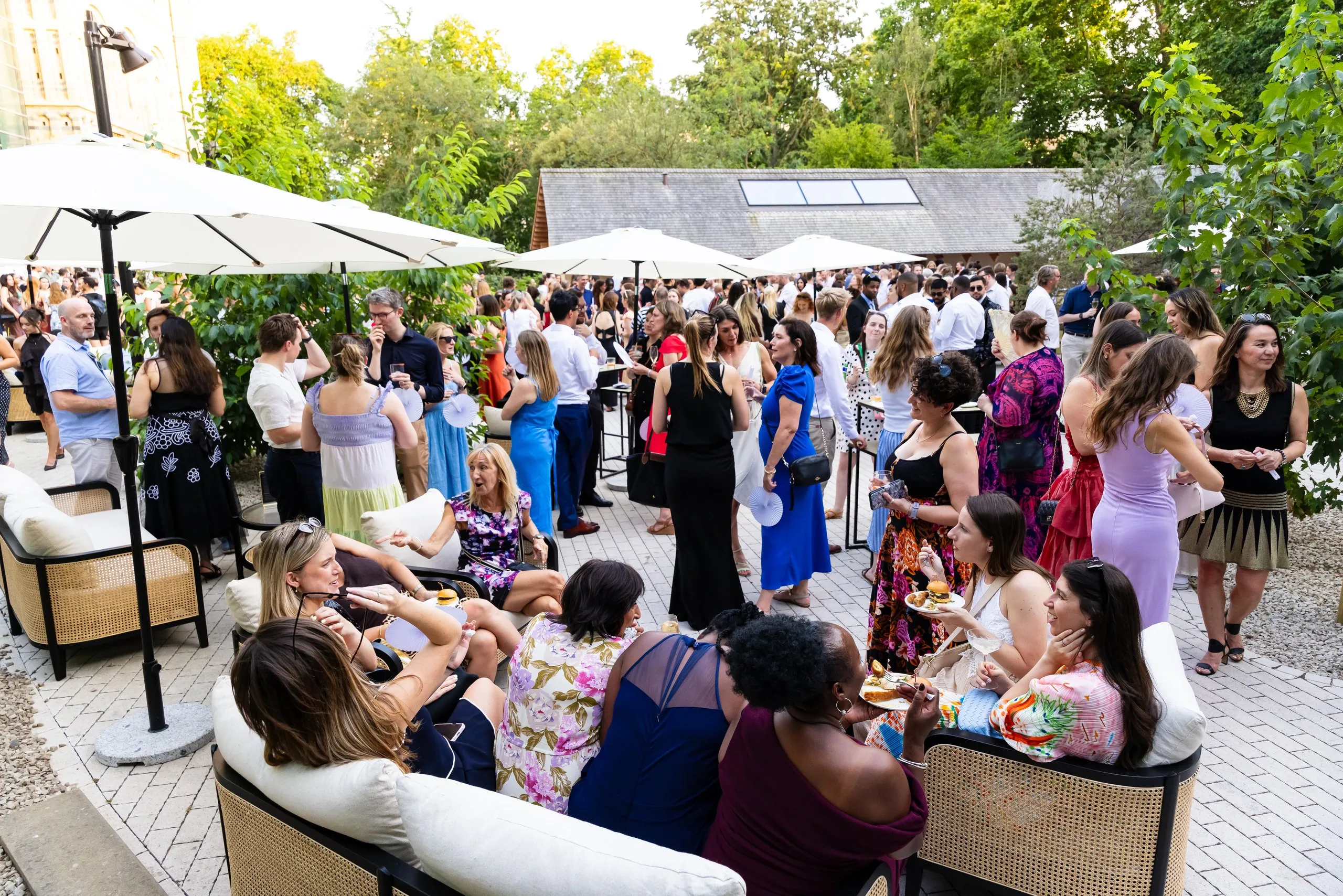
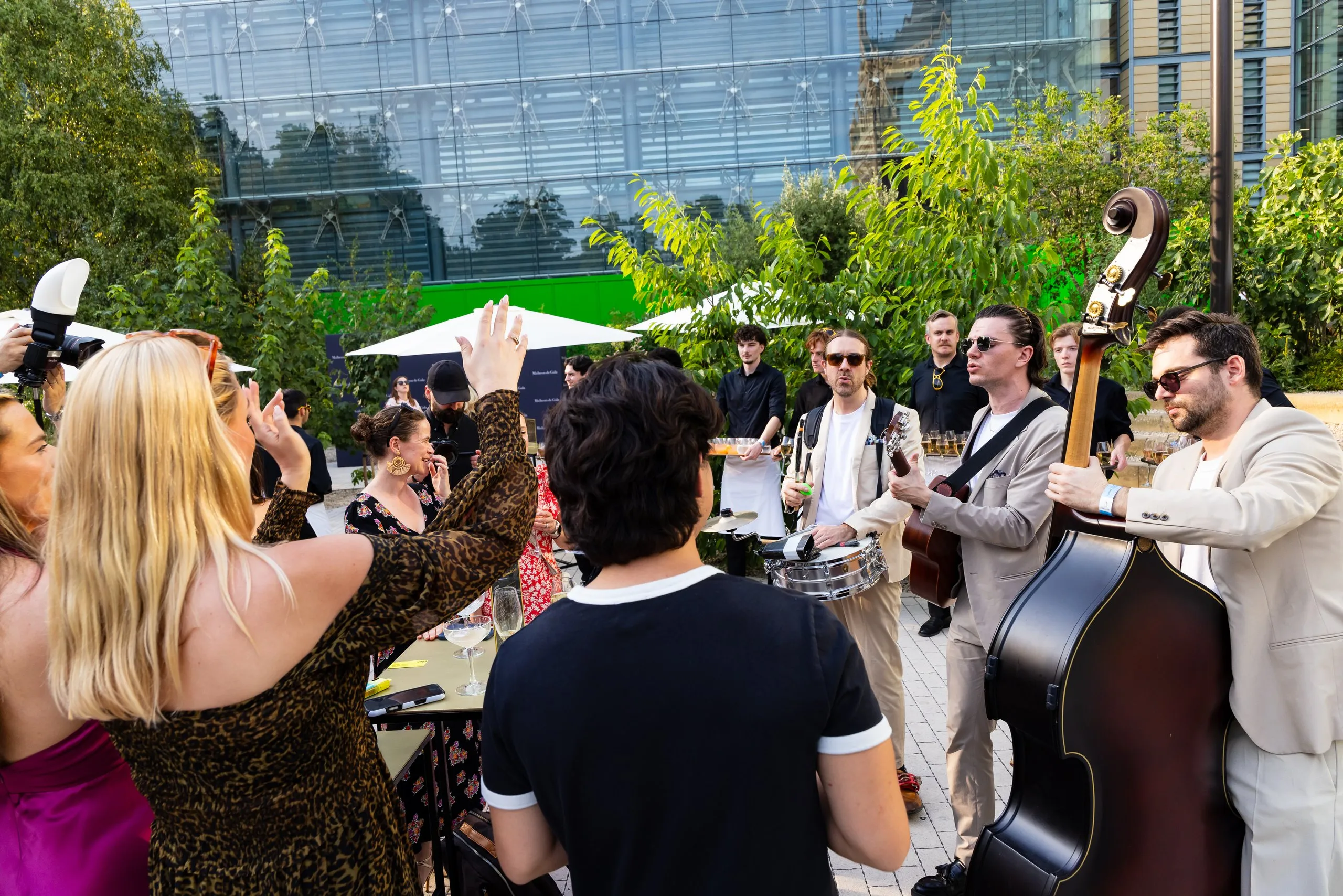
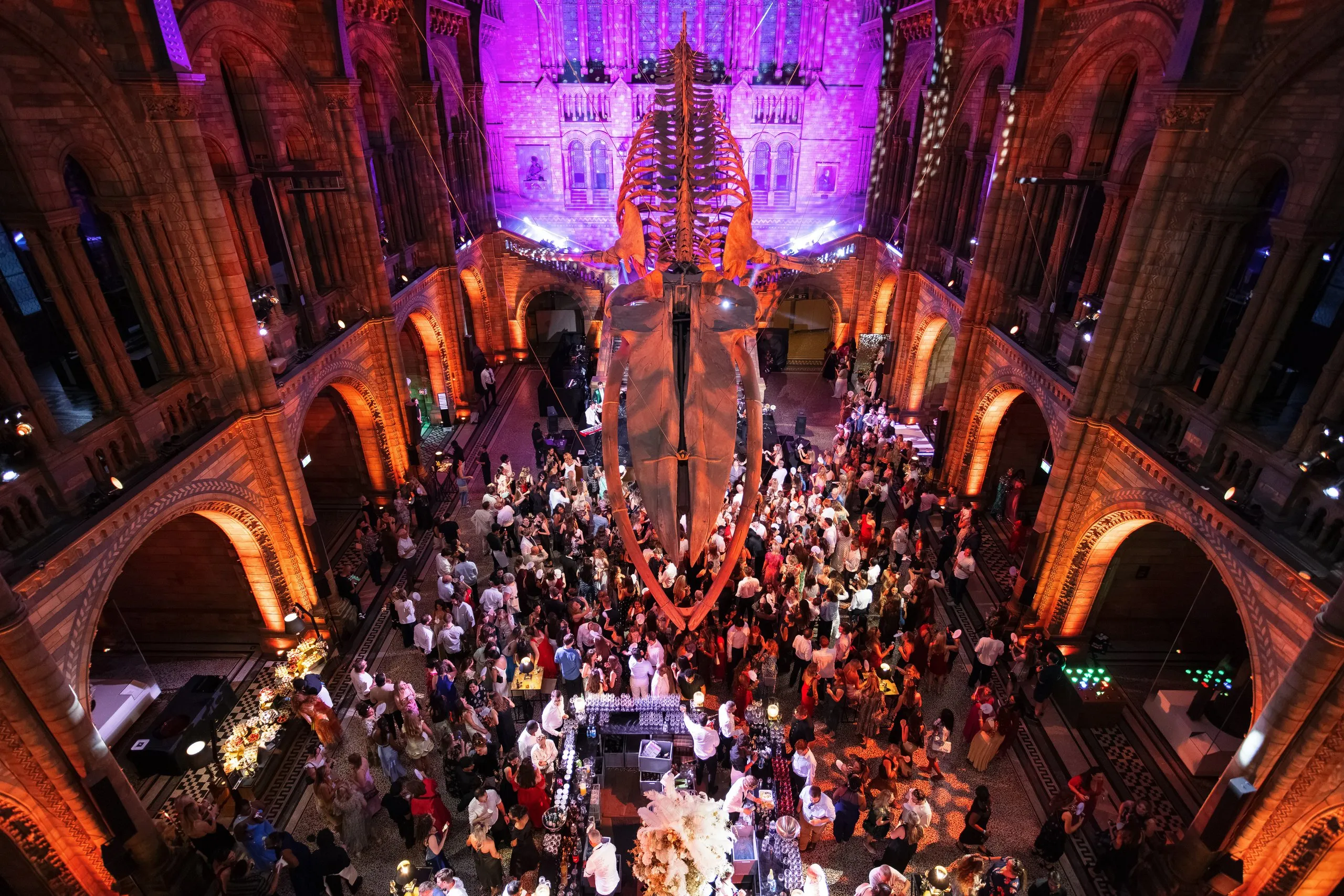
I recently produced a company summer party for 800 guests at the Natural History Museum. The reception began outside in the Darwin Garden before the main party moved into Hintze Hall.
We had carefully planned when guests would leave the garden and enter the museum. But the weather was beautiful and the guests were enjoying being outside. Moving everyone at the original time would have interrupted the atmosphere rather than enhanced it.
Working closely with my client, the venue and the suppliers, I made the decision in real time to adjust the call time and let guests enjoy the outdoor reception for longer.
Changing one time affected several other parts of the evening. The venue needed to prepare for the revised movement of 800 people. The catering team adapted its service. The entertainment and technical teams adjusted their timings, while the start of the main party still had to feel natural.
Every supplier had their own area of responsibility. My role was to bring those areas together, communicate the change and make sure the revised plan worked for the event as a whole.
For the guests, the evening simply flowed. They enjoyed the garden while the weather was at its best and moved into Hintze Hall when the moment felt right. They did not see the conversations and coordination taking place behind the scenes.
That is the point. Good production should feel effortless to the guest, even when the team is adapting in real time.
A running order is essential, but it cannot experience the event. It cannot see that guests are still engaged or decide that the original plan is no longer the right one. That requires someone who understands the complete experience and has the confidence to respond.
Performing taught me how to read an audience, understand timing and recognise when a room is gaining or losing energy. On stage, timing is not about following a schedule. It is about feeling what is happening in front of you and knowing when to move forward, when to pause and when to change direction. The same principle applies to producing events.
A creative producer does more than coordinate suppliers and manage schedules. The role is about understanding how every creative, technical and operational decision affects the complete experience, and seeing the event from several perspectives at once: the client, the guest, the performer, the venue and the suppliers.
Working with multiple specialist suppliers can be highly effective, but they need clear leadership, shared communication and someone protecting the bigger picture. Someone who can recognise a gap before the guests feel it, and who knows when to follow the plan and when the experience requires the plan to change.
So, when planning your next large-scale event, ask one important question: who is shaping the guest experience from the initial concept to the moment the final guest leaves?
If the answer is unclear, the event may have all the right ingredients, but nobody bringing them together into one seamless, engaging and memorable experience.