

Women make up 77% of the global events workforce, yet hold only 16% of leadership roles. The imbalance is well known, but the women driving this industry forward are still too often overlooked.
The 70% is a weekly series dedicated to changing that. Each instalment profiles a woman whose work, insight, and ambition shape the events sector – from emerging talent to established leaders. Through their stories, we explore the pathways, challenges, and perspectives defining what leadership looks like today.
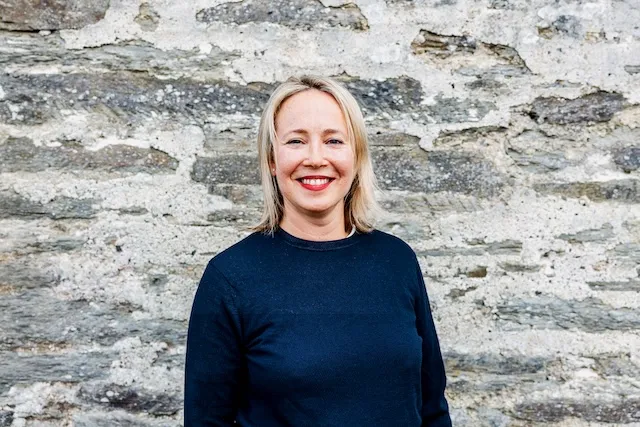
This week we meet Lisa James, founder of The Wentworth Collective.
How many years have you been in the events industry?
Growing up, I was lucky enough to travel a lot with my family. My dad worked for Pan Am and one of the perks of his job was free travel.
So almost every school holiday we went abroad, mainly to the US but also to Australia, the Middle East and Asia. Those experiences sparked a real curiosity about the world, different cultures and new experiences.
That curiosity grew when I got a job at Mark Warner in Italy in 1994. My role was to organise off-site activities for guests, and I loved working with local suppliers to create some incredible events and bringing people together. The experience lit a fire inside of me and I knew this was the industry for me. Over the years I worked for various agencies before founding The Wentworth Collective nearly 11 years ago.
How do you balance professional growth with personal commitments, and do you think the industry is evolving in terms of work life balance?
The event industry is very demanding. Fifteen years ago, I had my own experience of burn out. I had organised a girl’s trip to New York to celebrate our 40th birthdays but ended up sleeping through the whole weekend.
I was exhausted after months of anxiety and nausea. That experience taught me one of the most important lessons of my career because it forced me to rethink how I was spending my time and energy. I realised that working 12 -hour days at my desk wasn’t helping me or my business.
I began making more time for yoga, sport, travel and cooking, as well as prioritising family and friends. Those things still matter enormously to me today. They give me the space and energy to think clearly. I encourage my team to do the same. The best ideas rarely arrive at your desk.
How do you see the events industry evolving in terms of diversity, equity and inclusion?
The industry is evolving, but there is still a long way to go. Diversity, equity and inclusion shouldn’t be an add-on or simply a session on the agenda – it needs to be considered from the very beginning of the design process.
Every attendee deserves to feel that they belong. That means thinking carefully about neurodiversity, accessibility, different generations and cultures, and the needs of both introverts and extroverts.
It also means involving a range of voices in the planning process. This will help to identify blind spots from the outset and create an experience that works for everyone. For some of our events we’ve created dedicated quiet spaces for those participants who may need some down time. We also always make sure events don’t clash with important religious holidays.
We want everyone to feel welcome and included. My team is made of people from a range of backgrounds and ages bringing different perspectives to the work we do. My oldest employee is 84.
What advice would you give to young women looking to enter and succeed in the events industry?
Firstly, congratulations – you’ve chosen an industry that will bring you enormous joy and create experiences that genuinely stay with people.
Remember that your career doesn’t have to follow a straight line. I used to think I needed to move in one clear direction, but I’ve learnt to enjoy the journey. When you look back, you’ll be surprised by how different experiences, opportunities and conversations have all helped shape your career.
Say yes to opportunities, especially the ones that stretch you. Volunteer for challenging projects and don’t be afraid to step outside your comfort zone – that’s often where you learn the most.
Be someone who gets things done, thinks differently and looks for solutions when the obvious route isn’t working. You want to be the person that people want to work with.
Network as much as you can. You never know where a conversation or connection may lead.
Be kind. The events industry is built on relationships, and how you treat people will always matter.
How do you handle setbacks and failures?
I used to see setbacks as failures. Now I see them as feedback. I’ve learnt far more from my mistakes than any of my successes.
You don’t grow when things go well. Over time, I have learnt speed is also important. Don’t dwell on the setback. Quickly learn the lesson and move on.
What changes do you think are still needed to create more opportunities for women in leadership?
When I started my career I rarely saw women leading agencies. It wasn’t until I was 30 and met Amanda Edgecumbe, who founded Pow Wow Events, that I realised it was possible to run a business and also have a family. Amanda continues to mentor me which I am extremely grateful for.
Today I see far more women at the table, which is encouraging. But we need to do more to acknowledge women’s different lifestages, whether that’s motherhood, menopause or caring for elderly parents, and provide the right support along the way.
That’s why I mentor women who are at the start of their careers in the industry. Sometimes, all it takes is one person believing in you to help you go after an opportunity you might otherwise only have dreamed about.