

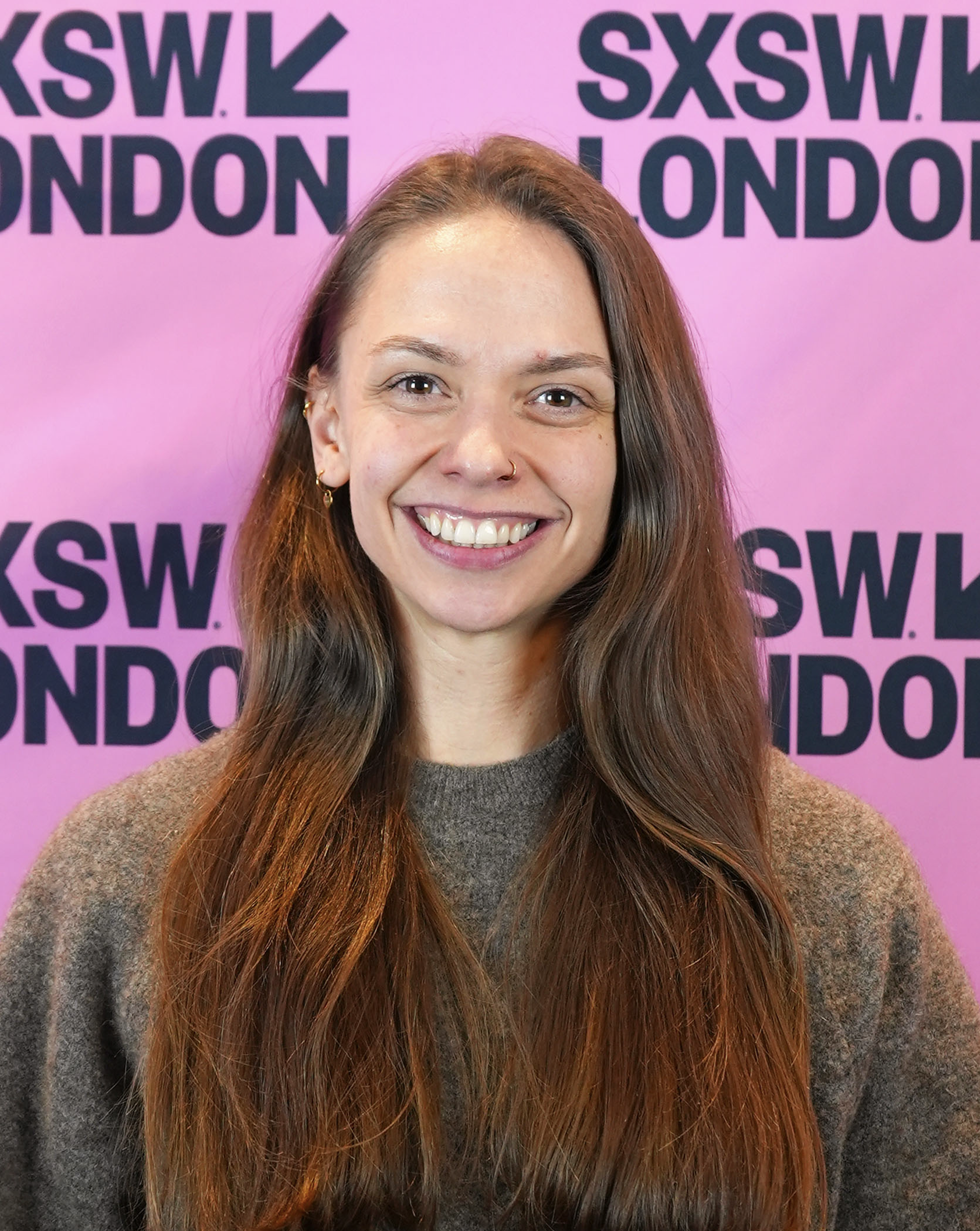
SXSW returns to London for its second year, with tickets now on sale for the 2026 edition. Ahead of the event, we spoke to Katarina Sherling, head of conference at SXSW, about the successes and challenges of its inaugural London year, and what delegates can expect from the festival in 2026.
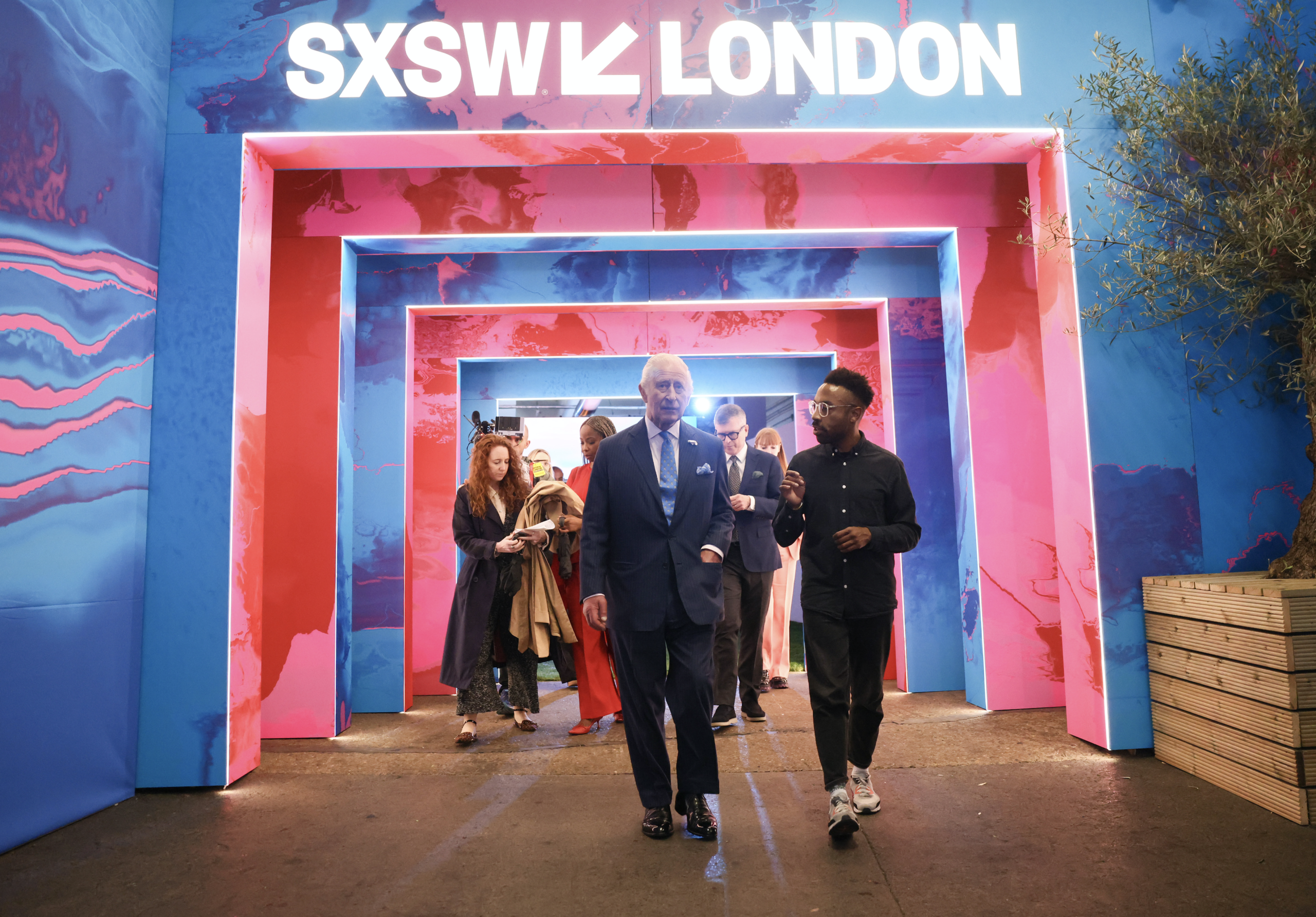
Whilst the festival attracted strong attendance, a wide range of content and international interest in its inaugural year, it was not without some teething issues. The festival received criticism following the appearances of former PMs David Cameron and Tony Blair, whose names did not appear on the public line-up. This prompted several artists to drop out.
New speakers for this year’s conference will be announced on a monthly basis from January, with those currently confirmed including Ben Cohen, co-founder of Ben & Jerry’s, Lotte Wubben-Moy, footballer for Arsenal and England and Sam McAlister, author, producer and broadcaster.
Delegates were also disappointed by lengthy queues and issues with the SXSW London app. Jonny D Martinez, partnership manager at CrowdComms, was one of several attendees to post on LinkedIn, explaining that organisers decided to fully clear rooms after every session, meaning attendees had to requeue before joining the next session. He said this resulted in him missing most of the sessions he had planned to attend.
Sherling says: “The first year went incredibly well overall. As a team, we are really happy with how things went. What we learned from this year, and what we’ll be changing for next year, is mainly on the logistical side of the festival. Given that it was the first year, there were many things to improve on the infrastructure side, everything from the festival app, to how we laid out the campus and how the overall schedule worked.”
She adds: “SXSW is an incredible brand, but this was the first time bringing it to Europe, to London. There were some unknowns, of course. But overall, we had incredible feedback from everyone who joined and attended. There’s always room for improvement, as there is with any festival and event.”
The conference will once again take place across Shoreditch, with Sherling acknowledging both the opportunities and challenges that come with hosting a festival in the heart of the city. While she notes that running a festival in central London is not straightforward, she says it is what makes SXSW ‘special and different’. She says: “For SXSW London, it’s about supporting local communities and showcasing East London and Shoreditch. The blend of culture and innovation in that area is incredible”.
Sherling adds that organiser feedback from the inaugural year has been carefully considered, with changes being made to improve the attendee experience. These include adjustments to the campus layout and measures aimed at reducing long queuing times and improving venue flow. The organisers will also be making changes to how the schedule works, enabling attendees to plan their visits more easily.
She says: “For example, if you’re interested in technology, you’ll know those sessions are mainly in the first half of the week, while culture-focused content will be more prominent in the second half. The overall journey around the campus will be better planned,.”
This year, the festival will also expand its focus on AI and frontier technologies, exploring how technology can support humanity, creative industries and businesses in the future. New tracks will focus on society, how it is evolving and what the future of society may look like. The programme will also place greater emphasis on branding and advertising, alongside more immersive experiences. Sherling says: “We’re also introducing new formats, including longer sessions, live Q&As and more interactive experiences to give attendees hands-on opportunities to engage with speakers.”
She explains that AI will be explored both from an AI-native perspective and through its crossover with creative industries and business. The festival will also introduce more meetups, both industry-specific and cross-industry, ranging from walking tours of Shoreditch to in-depth discussions on the future of investment for entrepreneurs and founders.
As a festival known for its cross-disciplinary approach, colleagues from the conference, screen and music strands are working closely together to better integrate all three elements of the programme. Sherling says: “We’ll be building on what we started in 2025 with interesting speaker pairings. Rather than having industry leaders from a single sector discussing a topic from one angle, we want sessions that mix experts from various backgrounds.”
She adds: “A good example would be pairing a chief technology officer from NASA with creatives from industries like Pixar, to offer a more interesting perspective on the future and space. It’s about creating more intersections between industries and speakers from different backgrounds.”
Reflecting on the upcoming edition, Sherling says: “It’s our second year, so we know how things work now. We know what worked and what didn’t. We also have the full team and infrastructure in place, which allows us to start scheduling content earlier. There’s a real sense of excitement from potential partners and speakers, and that energy carries through from the community, contractors and venues we worked with in Shoreditch. It’s always fun to go back and work with people you’ve built relationships with.”
With its second edition approaching, SXSW London is now focused on building on the foundations laid in its debut year. Organisers are prioritising improvements to logistics, scheduling and attendee flow, while continuing to develop the festival’s conference, screen and music programmes.
As the speaker line-up and agenda continue to take shape over the coming months, the 2026 edition will reflect how SXSW London is evolving from its launch year into a more established fixture on the UK events calendar.