

When planning a conference, considerable attention goes into creating the right environment. From the venue and staging to lighting, sound and screen technology, every detail plays a part in shaping the delegate experience.
But what about the content appearing on those screens?
Presentations, videos, motion graphics and supporting visuals are often among the elements audiences spend the most time engaging with. They communicate the ideas, messages and information that brought people into the room in the first place.
Yet presentation content can sometimes be treated as a separate task, something to finalise once the wider event has taken shape.
The reality is that content isn’t simply something shown during an event. It’s a fundamental part of the experience itself.
Start with what you want people to take away
Before opening PowerPoint or choosing a visual style, it’s worth asking a simple question: what do we want the audience to understand, feel or remember?
A presentation packed with information might demonstrate how much work has gone into preparing it, but that doesn’t necessarily make it effective.

Audiences are already processing what a speaker is saying. If they’re simultaneously trying to read detailed paragraphs, interpret complicated graphs and follow multiple points on screen, their attention becomes divided.
Sometimes, a single image, a carefully chosen statistic or a short statement can communicate more effectively than a slide containing everything the speaker intends to say.
Duncan Bell, Director at Branchout, has spent more than 20 years working across event production and content. He believes the starting point should always be the audience.
“The most important question isn’t how much information we can fit onto a slide. It’s what we want people to take away from it. Sometimes the most effective thing you can do is simplify.”
That doesn’t mean removing important information. It means deciding how best to communicate it.
Detailed supporting material might be better suited to a post-event document, while the live presentation focuses on guiding attention, reinforcing key messages and supporting the speaker.
Good presentation design is more than making slides look attractive
Strong presentation design combines visual creativity with an understanding of communication.
A designer or content specialist can look at a presentation with fresh eyes, identify where the message is becoming lost and suggest a more effective way to structure it.
This might mean breaking down information-heavy slides into several simpler, more focused ones, replacing written explanations with visual storytelling or rethinking how information is revealed throughout a presentation.
Importantly, it also means being prepared to challenge the content constructively.
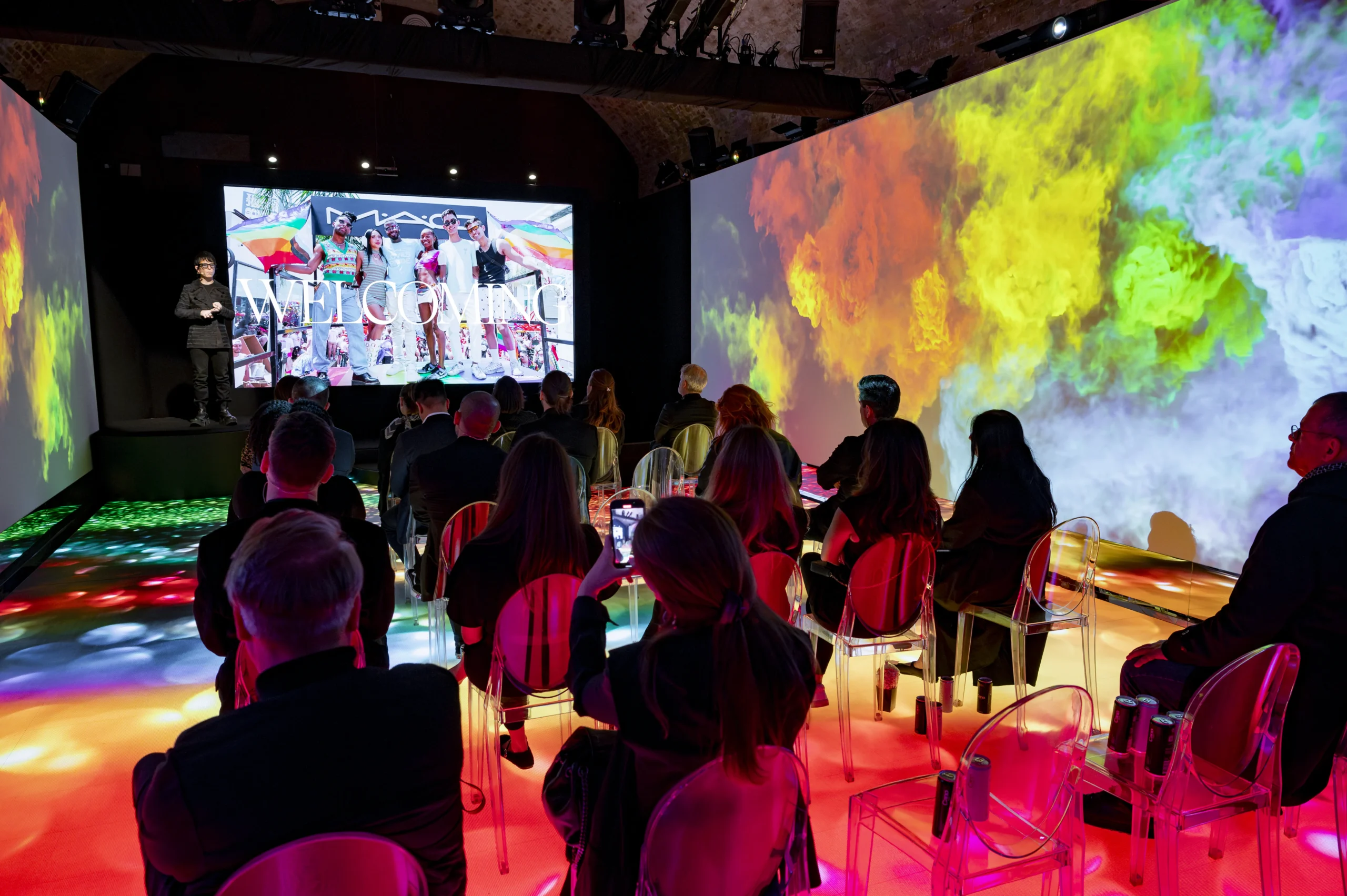
Just because information has been included in an initial presentation doesn’t necessarily mean it needs to appear on screen in that format.
A good creative partner should feel comfortable asking whether a slide is necessary, whether a message could be communicated more clearly or whether a different visual approach would better support the speaker.
There’s also an emotional consideration.
Does the content inspire? Does it build anticipation? Does it encourage the audience to focus on a particular idea?
Typography, imagery, colour, animation and pacing all influence how information is experienced. When these elements work together, presentations become part of the event’s storytelling rather than simply a means of displaying information.
What looks good on screen needs to work in the room
A presentation that looks exceptional on a computer screen might not have the same impact in a conference environment.
Screen size, resolution, viewing distances, room layout and audience numbers all affect how content should be designed.
Consider a detailed financial graph. It might be perfectly readable on a laptop, but what happens when it’s displayed on a screen at the front of a room with several hundred delegates?
If the information is too small to read from the back, the message is lost, regardless of how carefully the slide has been designed.
This is why content design and AV planning should work together.
Sometimes the answer is to simplify the visual. In other situations, additional screens, a different layout or a more suitable display solution might be required.

Neither decision should happen in isolation.
Understanding the audience and physical environment early allows organisers to make better choices about both the content and the technology used to present it.
Choose tools that work for your team
PowerPoint, Keynote and other presentation platforms can all produce effective results when used thoughtfully.
The most sophisticated software isn’t necessarily the best option. What matters is choosing tools that suit the presentation, the people working on it and the wider production workflow.
For example, an elaborate presentation might look impressive, but if the client’s team cannot easily update information, it could create unnecessary challenges as the event approaches.
Similarly, animation should have a purpose.
Movement can help direct attention, reveal information at the right moment or create a smoother transition between ideas. But excessive animation risks becoming a distraction from the speaker and their message.
The aim should be to use technology to support communication, not compete with it.
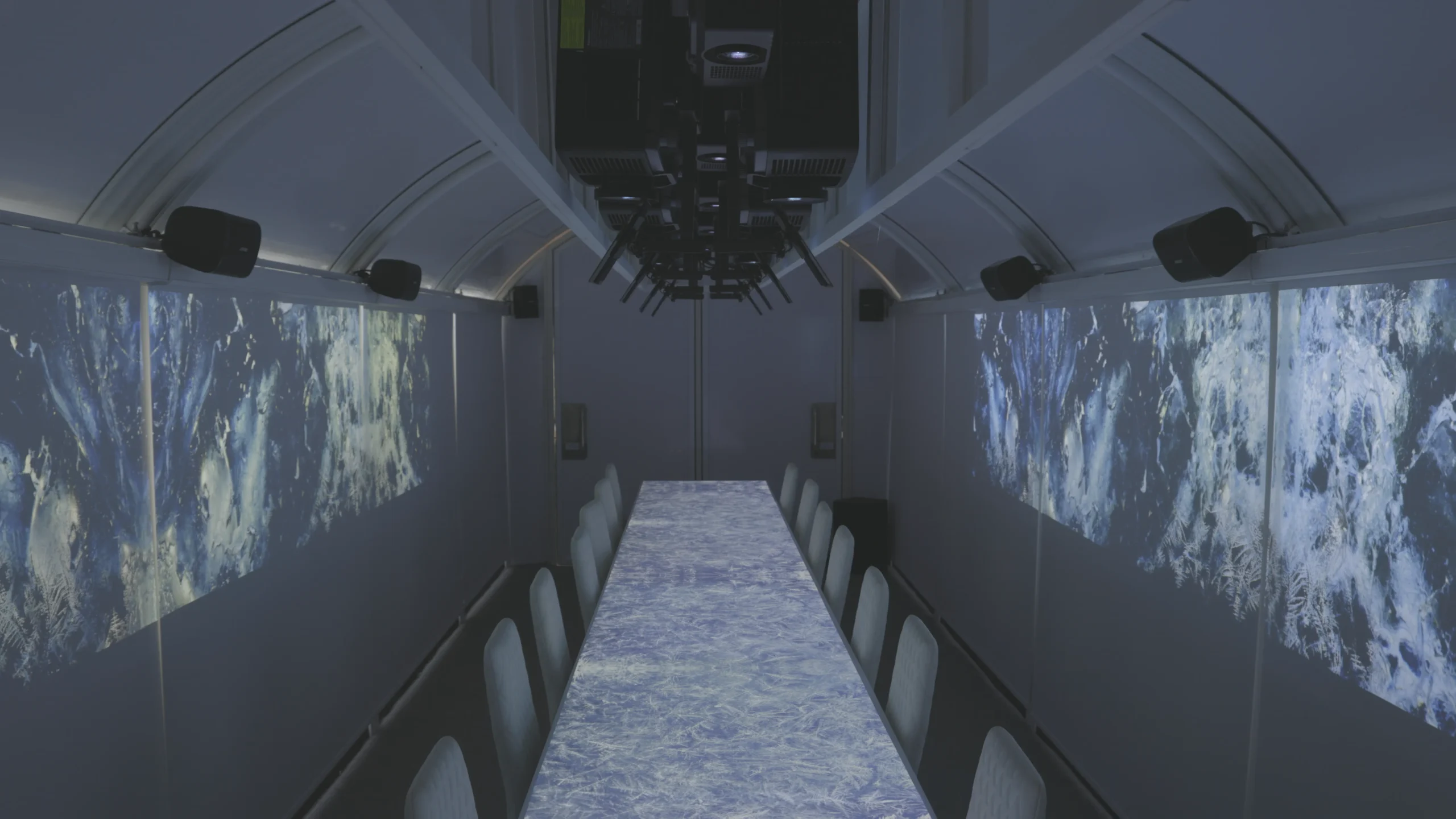
Plan for the inevitable last-minute changes
Anyone who regularly organises conferences knows that content rarely remains unchanged from the first draft to show day.
Financial figures are updated, speakers adjust their presentations, messaging evolves and last-minute amendments become necessary.
This doesn’t have to create unnecessary pressure, provided the right processes are in place.
Agreeing content deadlines, identifying who has approval responsibility and understanding how much time is needed for design, revisions and technical preparation can make a significant difference.
However, planning doesn’t always mean demanding finished presentations months in advance.
Event organisers and their stakeholders are busy, often managing several priorities simultaneously. A more realistic approach is to establish the workflow early, allowing creative and production teams to respond efficiently when content becomes available.
As Duncan explains:
“Content changes are part of live events. The important thing is having the right people, processes and preparation in place so those changes can be managed without compromising the end result.”
Having experienced content specialists available on site can also be invaluable, particularly when speakers need to update figures or make final adjustments before taking the stage.
It’s about creating flexibility without sacrificing quality.
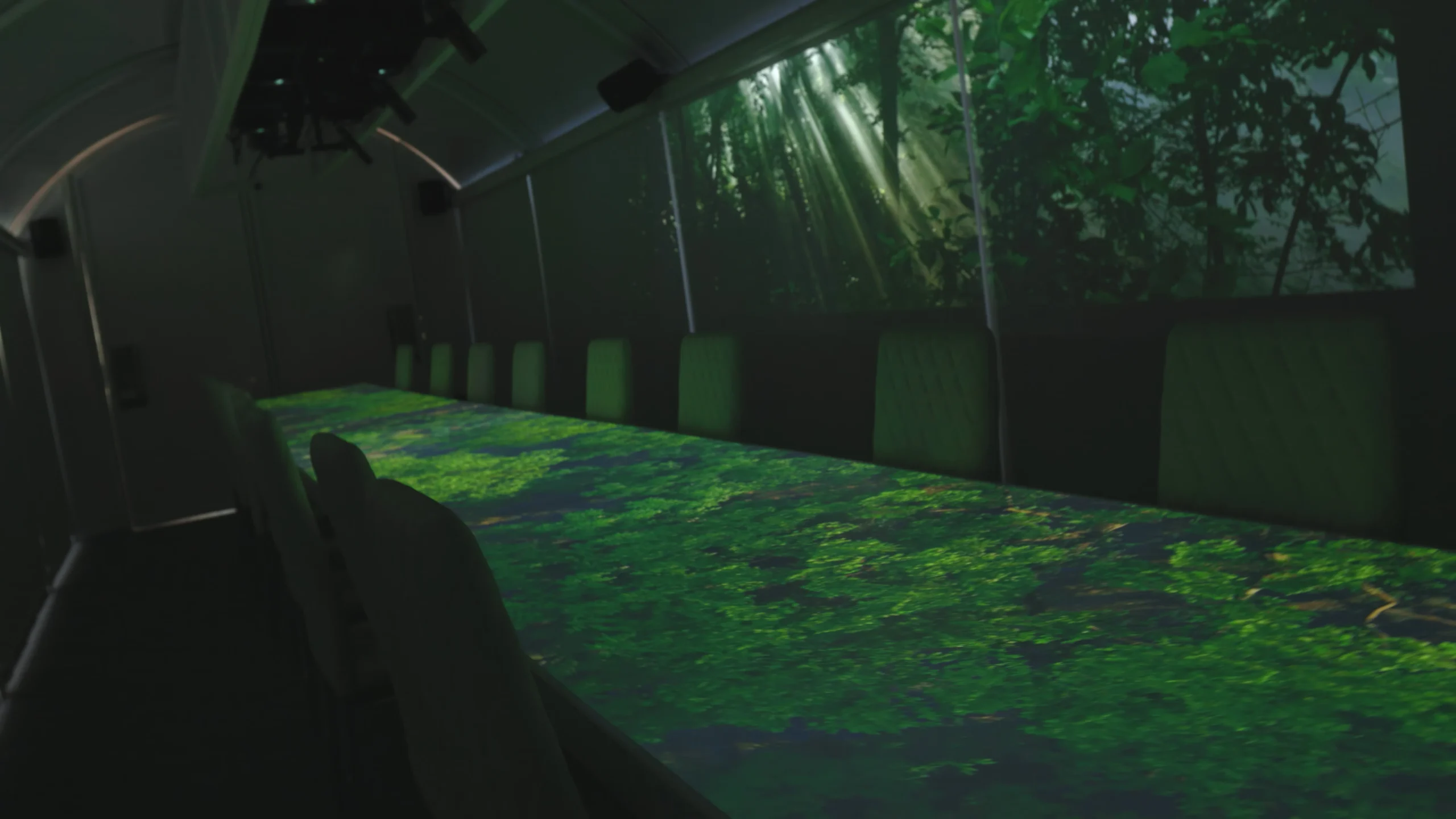
Give content the attention it deserves
A conference can have impressive staging, beautifully considered lighting and excellent technical production. But if the presentations fail to communicate, much of that investment risks losing its impact.
Content deserves a meaningful place in the event’s creative planning, production schedule and budget.
That means thinking about presentations as early as possible, involving the right expertise and considering how every visual element contributes to the audience’s experience.
It also means recognising that presentation design isn’t simply about creating attractive slides. It’s about making information accessible, supporting speakers and helping ideas connect with the people in the room.
Ultimately, delegates might admire the stage, but it’s the messages, insights and moments of connection that organisers want them to remember.
Planning your next conference? At Branchout, we bring creative thinking, content design and technical production together to help organisers deliver presentations and experiences that connect with their audiences. Get in touch with our team to explore how we can support your next event.