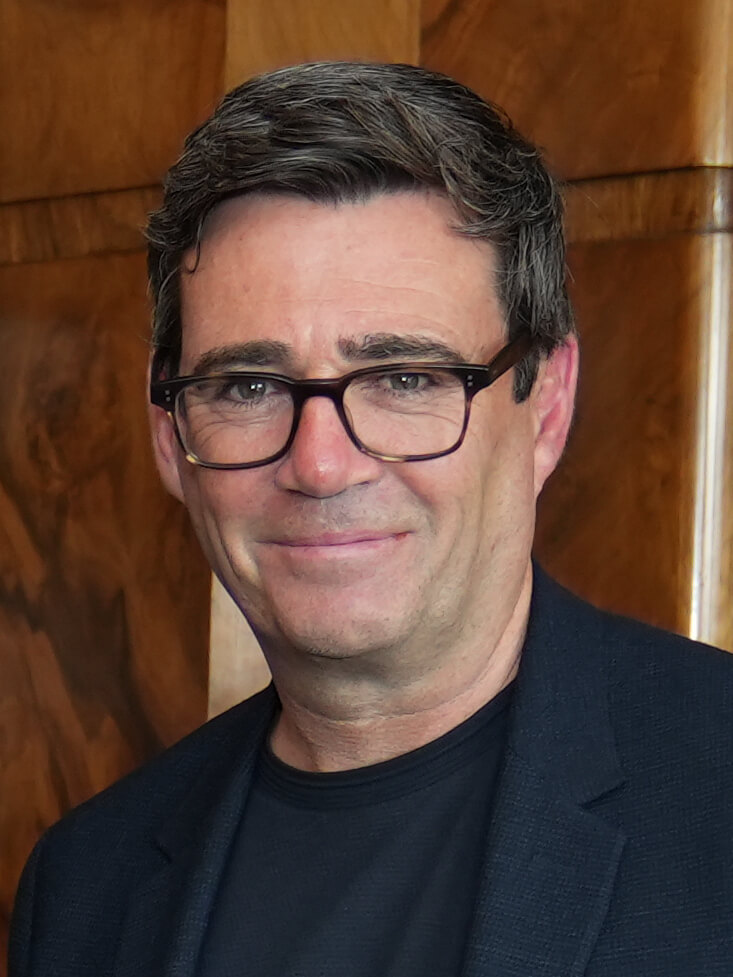
One week into Andy Burnham’s premiership, the UK events industry is setting out what it wants from the new government, and pointing to his record on regional growth and culture as reason for cautious optimism.
The Rt Hon Andy Burnham MP, former Secretary of State for Health and, most recently, Mayor of Greater Manchester for nine years, brings a combination of national and regional experience that industry bodies say aligns closely with their priorities.
His Chief of Staff, James Purnell, former Secretary of State for Culture, Media and Sport, adds further familiarity with the event industry’s challenges at the heart of Number 10.
During his time as Mayor of Greater Manchester, Burnham championed regional growth, transport connectivity and place-based economic development, helping position the region as one of the UK’s leading destinations for major events, conferences and cultural activity.
He has also been a prominent advocate for devolved decision-making, a theme he is now carrying into Westminster and, as a Patron of Institute of Event Management (a UKEVENTS partner), already has an established link to the industry.
Commenting on behalf of UKEVENTS, Chair Glenn Bowdin offered his congratulations to the new Prime Minister, pointing to Burnham’s track record across culture, tourism and place-making as evidence he understands the value of “bringing people together.”
Bowdin also welcomed continuity at DCMS, noting that Stephanie Peacock MP’s team has been making progress on a Major Events Strategy and encouraging cross-government working — momentum UKEVENTS hopes will carry into the new administration.
“The events industry contributes billions of pounds to the UK economy, supports hundreds of thousands of jobs, attracts international investment and showcases the very best of the United Kingdom to the world,” Bowdin said. “We believe the Prime Minister’s experience in both national government and regional leadership gives him a unique appreciation of the role our sector plays in delivering these outcomes.”
UKEVENTS said it looks forward to working with Burnham, his ministers and officials on policies to strengthen the industry’s competitiveness, support skills and talent development, grow international business events activity, and maximise the sector’s contribution to growth across all parts of the UK.
Shonali Devereaux, chief executive of the Meetings Industry Association, described the appointment as a significant moment following a period of considerable political change and said the business events sector needs to be part of the conversation from the outset.
Devereaux said: “In his first speech, the Prime Minister spoke of giving Britain the ‘circuit breaker’ it needs,If that means taking a fresh look at how government works with business to deliver economic growth, then the business meetings and events sector must be part of that conversation from the outset.”
Devereaux pointed to the sector’s £33.6 billion annual contribution to the UK economy and its role as a “white label industry” underpinning growth, investment and job creation across other sectors, arguing it is too often overlooked in economic policy.
She referenced the Culture, Media and Sport Committee’s recent report on business events, which recommends:
- A standalone national business events strategy, backed by a sector-led National Business Events Council
- Reversing cuts to VisitBritain’s business events team and funding
- Moving sector responsibility from DCMS to the Department for Business and Trade
- Published targets for ministerial attendance at priority business events
Devereaux added: “Beyond these recommendations, our industry also has an important role to play in tackling pressing economic challenges facing Burnham, such as the UK’s well-documented unemployment rate, which is now at its highest level in over a decade at 16.2 per cent. We have long been a sector with the most accessible entry points into employment, but our latest MIA Insights report shows that nine in ten respondents say rising employment costs are making it harder to recruit and train the next generation of talent.”
She continued: “We recognise the Prime Minister’s commitment to improving living standards and supporting workers. However, it’s equally important that employment policy reflects the realities facing employers in labour-intensive sectors such as ours… We have the infrastructure, the demand and the drive to be a key partner in reducing UK unemployment, but what we need is government engagement to unlock this potential.”
“This is a genuine opportunity for our sector’s voice to be heard, and we intend to make the most of it together with our partners across the industry.”