

BCD Meetings & Events (BCD M&E) has released its annual What’s Trending 2026 guide, sponsored by Minor Hotels and Hilton. Now in its ninth edition, the guide explores the forces shaping the meetings and events industry in the year ahead.
Following the report’s release, Conference News spoke to Helen McCabe, UK managing director of BCD M&E about the trends discussed within the guide.
What’s Trending 2026 provides global insights, regional trends and practical guidance for organisations adapting to ongoing shifts in how meetings and events are planned and delivered.
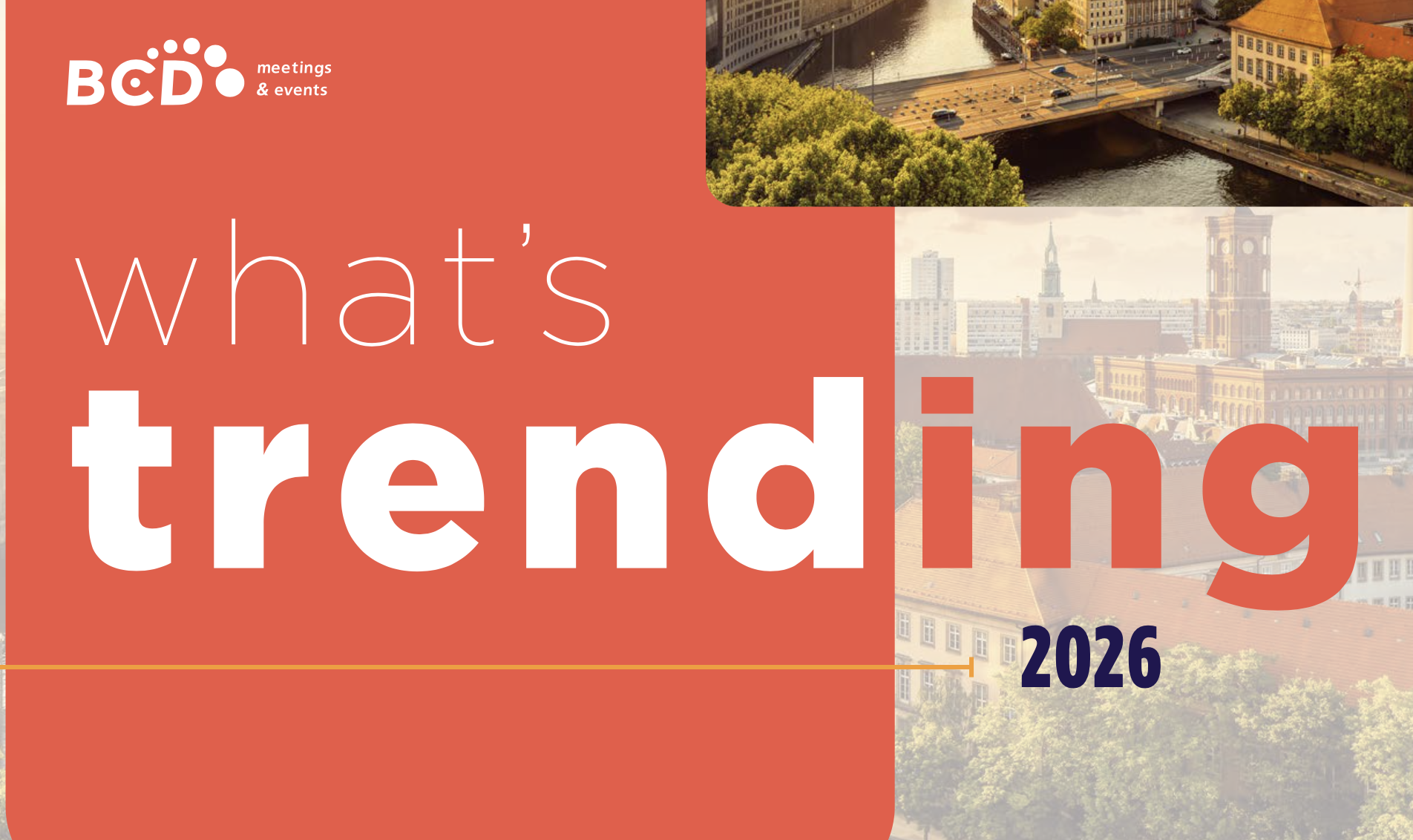
Topics include meetings as strategic investments, experiential and immersive event design and the growing importance of addressing neurodiverse audiences.
Bruce Morgan, global president BCD M&E said: “Meetings and events have evolved far beyond logistics. They’re now essential drivers of business strategy, connection and growth. Our 2026 guide reflects the conversations we’re having with clients around the world, highlighting how organizations are rethinking spend, design and purpose to drive greater impact.”
According to the guide, economic uncertainty and budget constraints continue to shape the industry, prompting organizations to consolidate suppliers, optimize spend and focus on high-impact experiences that deliver measurable ROI. Immersive and inclusive event design—rooted in behavioral science, accessibility and storytelling – is fast becoming the gold standard for engagement.
The guide also features in-depth analysis of five regions: APAC, EMEA, LATAM, NORAM and the UK.
Regional insights:
- NORAM: Stable demand and resilience in healthcare and technology sectors despite cost pressures.
- UK: A “do more with less” mindset driving fewer, higher-impact events and regional venue adoption.
- EMEA: Strong potential driven by defense and automotive sectors, with sustainability remaining a top priority.
- APAC: Cautious growth and a focus on domestic, experience-led events in cost-effective destinations.
- LATAM: Growth amid volatility, with FIFA World Cup host cities driving regional demand spikes.
Speaking on the regional insights, McCabe said: “The first thing that struck me was the number of common themes across all of them. There’s a clear global trend toward being more cost-conscious, focusing on the value and impact of events and achieving tangible ROI. Content is king and immersive experiences continue to dominate.”
McCabe also explaines that the rise in domestic events was an interesting factor and that whilst a few years ago she would have suggested this was purely driven by sustainability initiatives, she now thinks that geopolitical factors also play a big part in keeping people local.
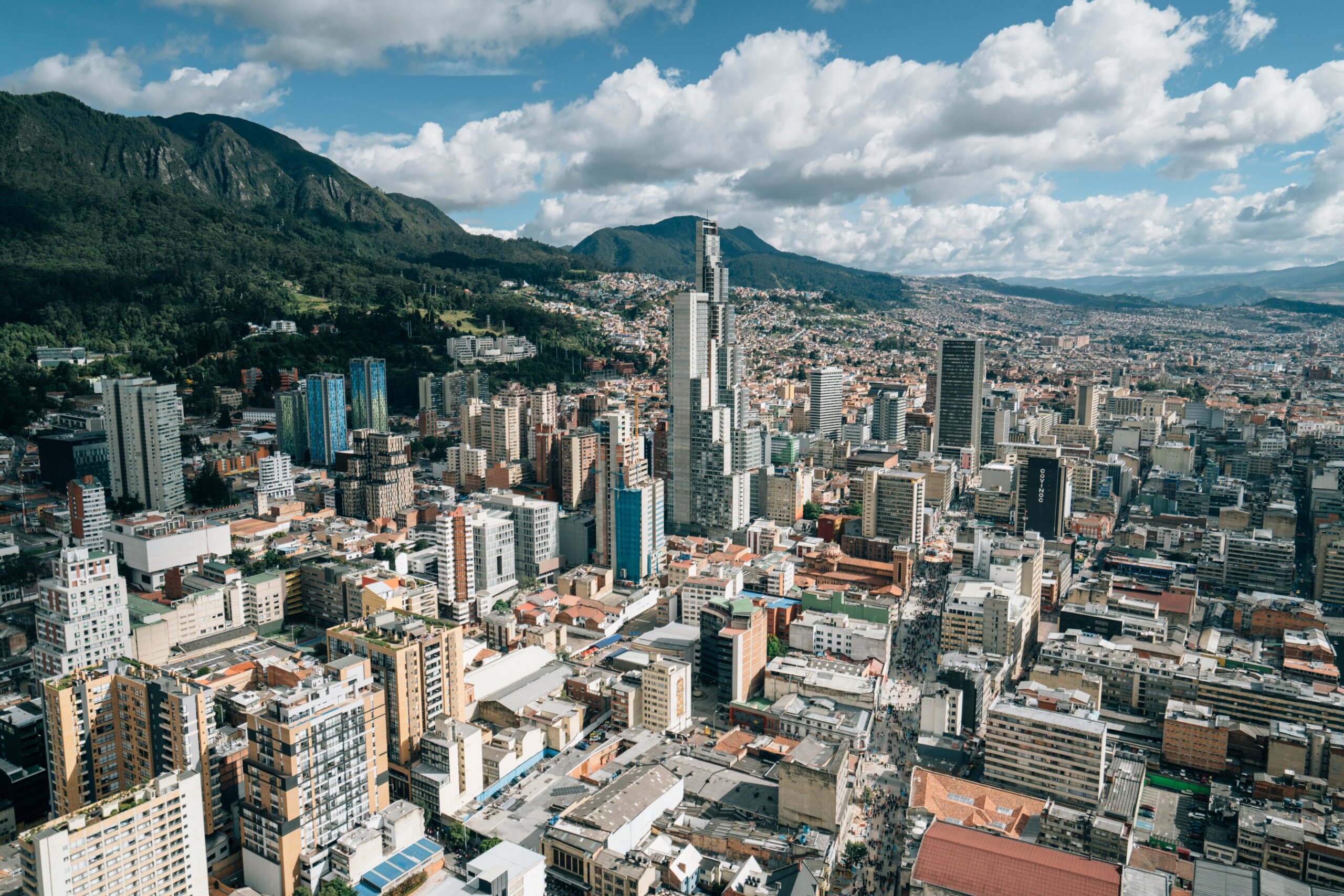
McCabe also explained that the standout for her was Latin American region, with seven countries in the region having presidential elections in 2026. She said: “I reflected on how the UK’s change of government last year impacted this year’s market and how similar political shifts in the US have affected the meetings and events landscape. Having seven elections in one region will make LATAM one to watch. It’s already volatile when it comes to inflation and value, so it’ll be interesting to see how things evolve.”
On top of that, the region has the FIFA World Cup coming up, something that will have a major impact and lead to long-lead planning in a region that usually books short term. McCabe said: “Having seven elections in one region will make LATAM one to watch. It’s already volatile when it comes to inflation and value, so it’ll be interesting to see how things evolve.”
The guide also outlines trending destinations for meetings, events and incentives for 2026: Scottsdale, Arizona; Manchester, UK; Berlin, Germany; Kuala Lumpur, Malaysia; and Mexico City, Mexico.
Speaking on this McCabe says: “In the UK we looked at Manchester. London, while iconic, remains very expensive. Despite efforts to reposition it as a value-for-money destination, many clients don’t see it that way, so business is moving to regional cities.”

Manchester, especially with the new Co-op Live Arena opening recently, is attracting a lot of high profile events next year. She explains: “It’s well connected for international flights and the arena was recognised as one of the top five venues globally for sustainability. Cities like Manchester, Birmingham, and Liverpool are investing heavily in meetings and events to attract that business.”
Looking further afield, Kaula Lumpur also stood. McCabe said: “It’s seen as a great value for money destination, which really fits the current climate of cost conscious events. It also offers cultural diversity and a mix of old and new. The Malaysian government is starting to support venues and hotels with sustainability certification schemes, which is promising.
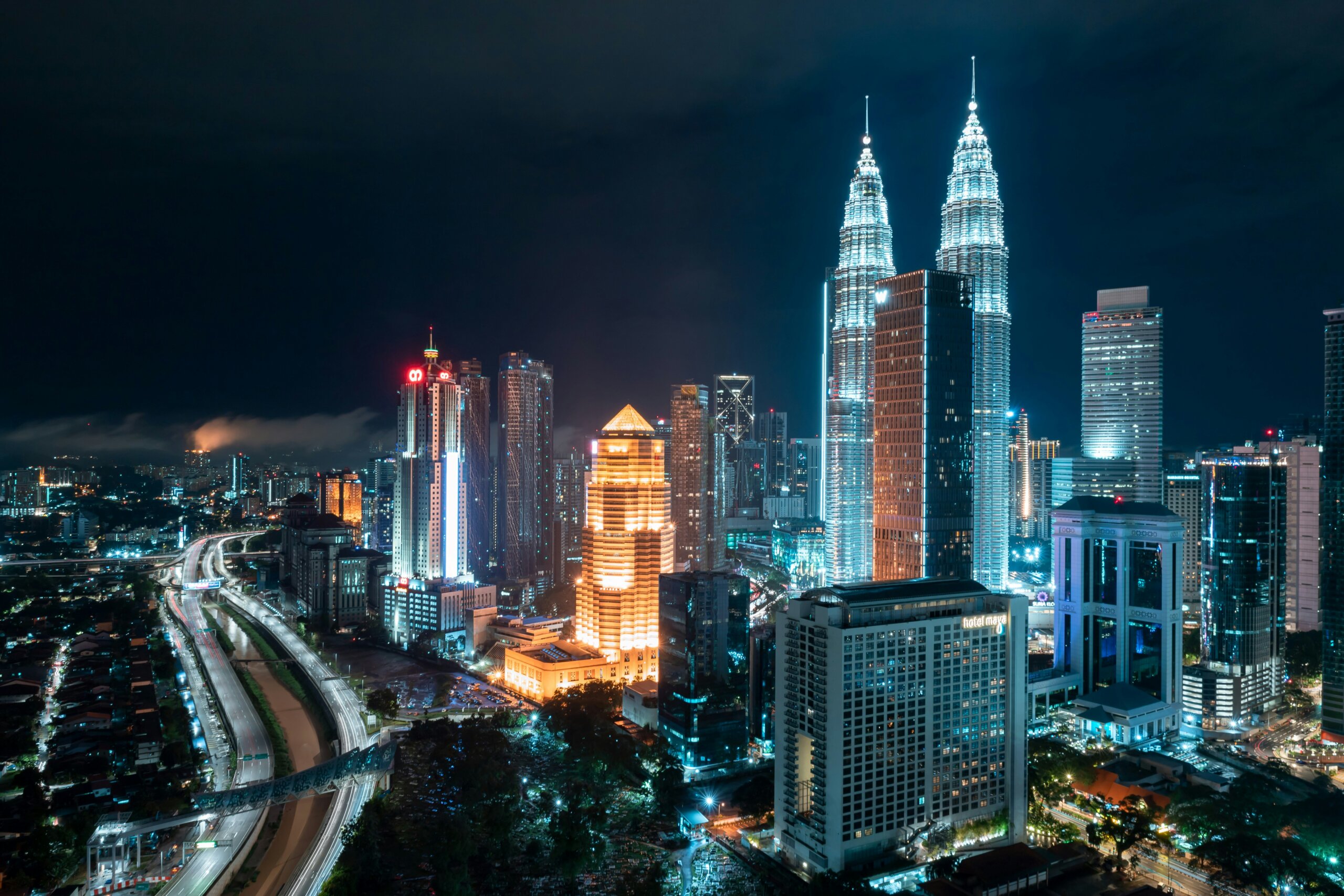
So the common thread among all of these cities is sustainability — but they’re also presented as great, full-service meetings and events destinations.
Partnerships with suppliers are at the heart of BCD’s operations and play a crucial role in shaping the company’s annual trends report.
McCabe says: “By engaging closely with suppliers, BCD is able to gather valuable insights, anticipate challenges, and co-develop strategies that ultimately enhance value for clients. This partnership-driven approach ensures alignment on key industry trends, such as simplifying hotel contracts and improving efficiency across the supply chain. It’s a triangular relationship, between clients, suppliers, and BCD, that strengthens the collective ability to navigate market changes and deliver better, more strategic outcomes.”
Access the full report here.