
Many agencies still operate on a traditional model: fixed teams, rigid structures and overheads that often prioritise process over people.
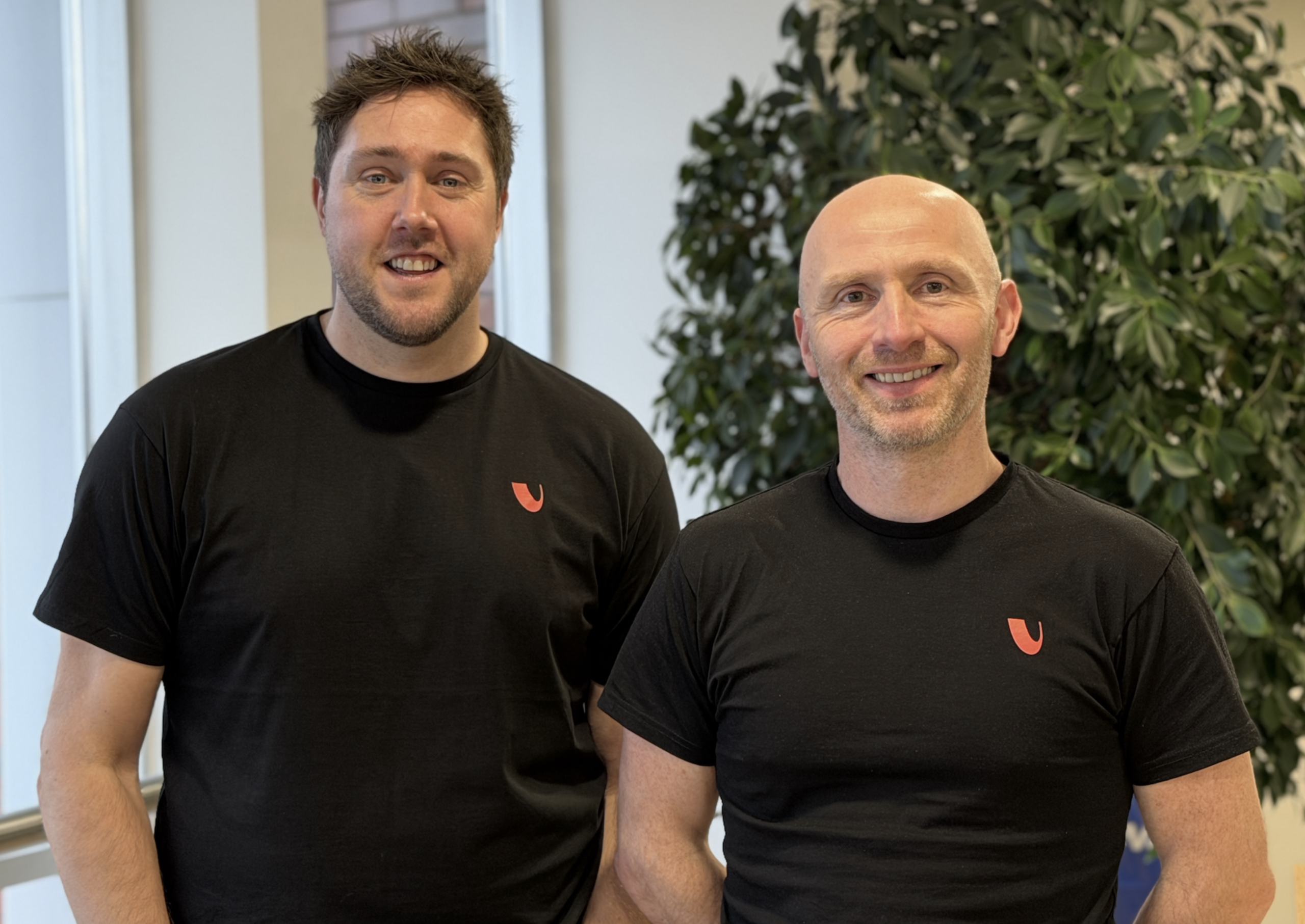
The founders of The Agency Alternative, Chris Hobson and Dan Laurence, know that model well. Their previous business, Manchester-based agency HGA, was built and run in the conventional way. When they went on to launch Unite and Create, their intention was clear from the get go: to build something different. A more flexible, people-first approach that challenged assumptions about how agencies should work, both for clients and for the talent delivering the work.
That philosophy has now been brought fully to the surface. Unite and Create has undergone a rebrand and is officially launching as The Agency Alternative, a name that reflects not just a change in identity, but a clear stance on how the business operates.
Hobson says: “We’ve never adopted the traditional agency model here. We’ve always worked with the best and most talented freelancers we can find, specific to any brief. The recent rebrand is really about going back to our roots.”
He explains that when the agency first started, it didn’t have much work to rely on and was operating under strict non-compete clauses. Hobson says: “There was very little we could shout about, but we were quite noisy in how we worked. When we started getting more work, that’s when we began acting more like a traditional agency and relying on the quality of our work to bring in clients.”
Over the last year, the company has become more vocal about the model itself. Hobson explains that it deliberately rejects the traditional agency structure, operating without in-house talent and avoiding what he sees as an increasingly unsustainable system. He points to large offices, underused teams, multiple layers of sign-off and limited creative flexibility as hallmarks of a model that no longer serves many clients effectively.
After five years of refining the approach, the business is now confident enough to rebadge and reposition with a more assertive message. Hobson says: “The agency world isn’t broken, it’s breaking and we believe there’s a better way of fixing it for clients.”
Laurence explains that while many agencies do use freelancers, they are often brought in at the last minute to plug gaps, rather than being assembled from the outset in the client’s best interests. He says: “There’s no red tape, no defaulting to whoever’s on payroll, just the best people for the job.”
Hobson adds: “It’s more transparent. Agencies often pitch one team, then quietly swap people out and bring freelancers in behind the scenes. Clients end up paying twice. With us, clients give us a brief, we scale the team up instantly and scale it back down when the project ends. You only pay for what you use.”
He continues: “The best creatives don’t stay in agencies – they go freelance. We’re constantly onboarding top talent, so we always have the right people for every brief, even in sectors we haven’t personally worked in before.”
Hobson also outlines how COVID exposed the fragility of the traditional agency model.
He says: “Agencies build massive infrastructure that clients ultimately pay for. Big offices, big teams, big overheads. At our previous agency, we had to generate £250,000 a month just to keep the lights on. That pressure inevitably gets passed on to clients – padded days, hidden costs and less transparency.”
The Agency Alternative model also allows the business to bring in niche specialists suited to each individual project. Laurence explains: “Clients deserve access to the best talent, not just whoever’s on payroll. Our Unite Network is tagged by discipline, sector experience, brands worked on and geography. If a client references work by Nike, we have people who’ve worked on Nike. If a shoot is in Birmingham, we use local talent, cutting both costs and carbon footprint.”
While the model deliberately moves away from traditional agency structures, Hobson acknowledges that some fundamentals remain essential. There are things clients will always want – honesty, transparency, agility and accountability. He says: “We do what we say we’ll do. Late nights, weekends, whatever it takes. We’re fair on pricing and pass savings on.”
He continues: “Clients still want accountability. Someone to blame or praise. They also value an external perspective. So we offer big-agency accountability, but with a better operating model.”
Laurence adds: “We’ve got an almost unlimited pool of resource. We never have to say no.”
In rebranding as The Agency Alternative, Hobson and Laurence are formalising an approach they have been refining for years. They are clear that traditional agencies continue to play an important role, but believe many structures no longer reflect how creative work is delivered today. As the industry continues to evolve, their model speaks to a growing demand for flexibility, transparency and access to specialist talent without unnecessary overheads.
Rather than attempting to reinvent the agency world, The Agency Alternative positions itself as a practical response to it – built around how modern creative teams actually work.