

Women make up 77% of the global events workforce, yet hold only 16% of leadership roles. The imbalance is well known, but the women driving this industry forward are still too often overlooked.
The 70% is a weekly series dedicated to changing that. Each instalment profiles a woman whose work, insight, and ambition shape the events sector – from emerging talent to established leaders. Through their stories, we explore the pathways, challenges, and perspectives defining what leadership looks like today.
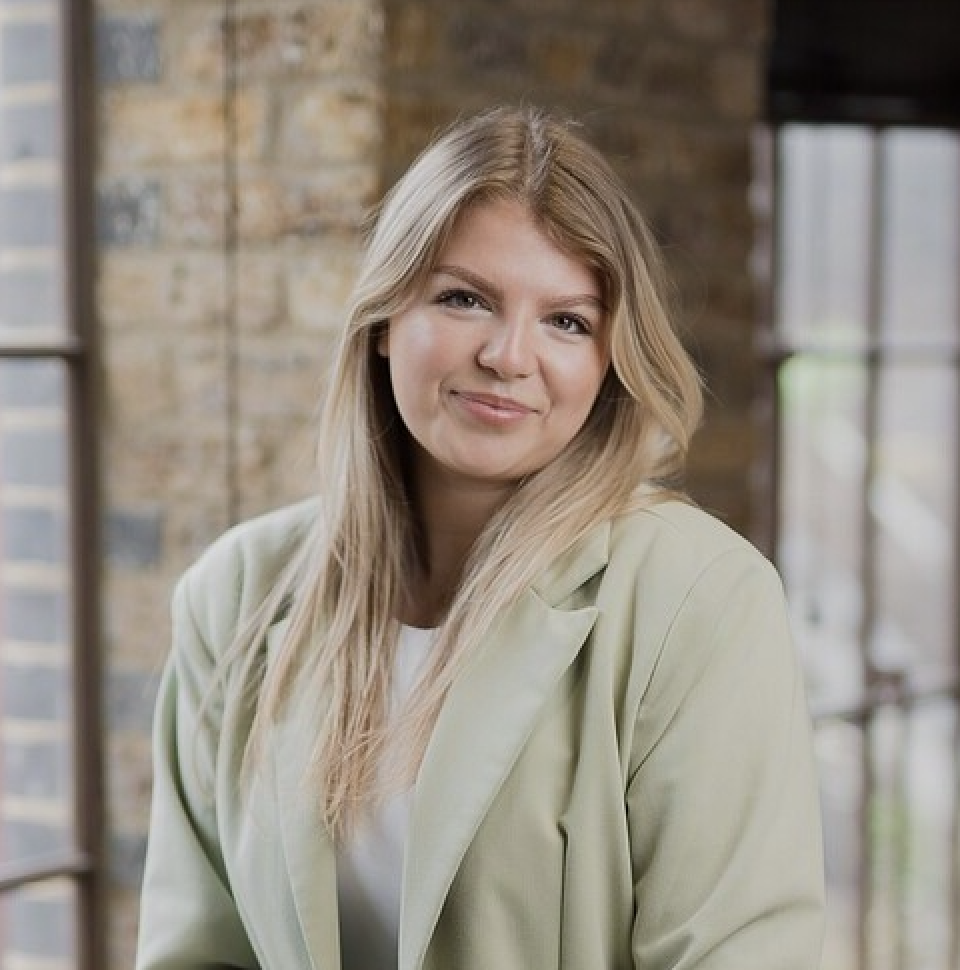
In this weeks edition, we meet Verity Millican, account manager at Verve Live Agency.
How many years have you been in the events industry?
I’ve been working full time in the events industry for about 5 years now with prior experience in hospitality since 2017. I started my events journey for a charity working in their events and partnerships department. From that I headed to London to pursue my career where I found there to be more opportunities for professional growth within the industry.
How do you balance professional growth with personal commitments and do you think the industry is evolving in terms of work life balance?
I like to be very organised in my work life, so I try to bring a bit of spontaneity into my personal life, which helps keep things balanced. Sometimes personal life needs to come first, and recognising that and communicating it openly at work is a strength in itself.
Balancing professional growth with personal commitments remains a challenge in the events industry, especially with unsociable hours. Things are improving, with more events now planned around people’s personal needs, avoiding school holidays and other conflicting times. Being open about your circumstances and how they affect your workload is important for both your team and yourself.
Flexible working helps too. At Verve, set work-from-home days provide structure while maintaining balance, and we ensure people take the rest they need after being on-site. Honest communication and supportive practices remain key as the industry continues to evolve.
How do you see the events industry evolving in terms of diversity, equity and inclusion?
It’s definitely moving in the right direction. I’ve noticed it becoming a topic of conversation with many clients when developing briefs, which is so refreshing to see. A few recent highlights come to mind. My team and I led a project that took place during Ramadan, and we provided a separate quiet room for anyone who needed time to pray in a safe, respectful space. We also had water and dates available for those who wanted to break their fast before heading home.
At the same event, our client decided to pay one of our female speakers more so her fee aligned with one of the male speakers, not as a token gesture, but as a conscious effort to ensure fairness. These small, thoughtful touches helped create an environment where everyone could feel safe, respected, and heard.
That said, there is still work to be done. It is crucial that we keep the conversation going and continue prioritising inclusivity in planning. We must ensure that every guest’s experience is equitable and that no one ever feels like a nuisance for having additional needs at an event.
What advice would you give to young women looking to enter and succeed in the events industry?
The events industry is highly hands on. Even small roles such as volunteering at festivals, assisting with corporate events, or helping with weddings teach you logistics, communication, and crisis management far better than any lecture. My undergraduate events course felt uninspiring, but my postgraduate diploma at The Events Academy was entirely different. The mix of lectures and real practical experience taught me more in a week than I learned throughout my whole degree.
In terms of succeeding… find your voice in the chaos. You’ll often find yourself on calls or in rooms with very senior leaders, and sometimes you’ll be the one expected to steer the conversation. It can feel daunting at first, but trust in your abilities and use those moments to build your confidence. Your voice is just as valuable as anyone else’s in the room.
Don’t shy away from showing your creativity, either. Sometimes your boldest, wildest ideas are exactly what a client needs. Let your passion show, emotion and excitement are strengths in a creative industry. We aren’t robots; we’re people who care deeply about the experiences we create. Embrace that energy and don’t let the work become boring.
How do you handle setbacks and failures?
If working at Verve has taught me anything, it’s that setbacks and failures don’t define your talent or your potential. In the events industry, every situation whether it goes smoothly or not, is an opportunity to grow and develop your skills. Nobody is perfect, and mistakes are inevitable, but they are also invaluable.
I’ve found that being open and honest with my team really helps, I used to try and hide set backs and deal with them alone but I now live by ‘a problem shared is a problem halved’. There’s always a solution and using your team to sound board off rather than bottling it up and trying to deal with it yourself is the best way forward.
Each challenge I’ve faced has not only taught me how to handle similar situations in the future, it has also equipped me to be able to support and guide the people around me. Embracing failure as part of my learning process has helped build resilience and has ultimately strengthened my confidence as a professional.
What changes do you think are still needed to create more opportunities for women in leadership?
I think there’s been progress but there’s still more to do to make leadership roles truly accessible for women. In industries like events, things like unsociable hours, high workloads and inflexible working can make it harder to step up, especially if you’re also juggling personal commitments.
Creating more opportunities isn’t just about policies on paper. It’s about fostering a culture where women feel supported to grow. That could mean mentorship, flexible working options or simply having open conversations about career goals and what support someone might need to get there.
For me, it’s about making sure women don’t have to choose between their careers and their lives beyond work. Making sure they can lead with confidence knowing they’re supported by their whole team no matter their gender, even in moments when bias arises.