

Women make up 77% of the global events workforce, yet hold only 16% of leadership roles. The imbalance is well known, but the women driving this industry forward are still too often overlooked.
The 70% is a weekly series dedicated to changing that. Each instalment profiles a woman whose work, insight, and ambition shape the events sector – from emerging talent to established leaders. Through their stories, we explore the pathways, challenges, and perspectives defining what leadership looks like today.
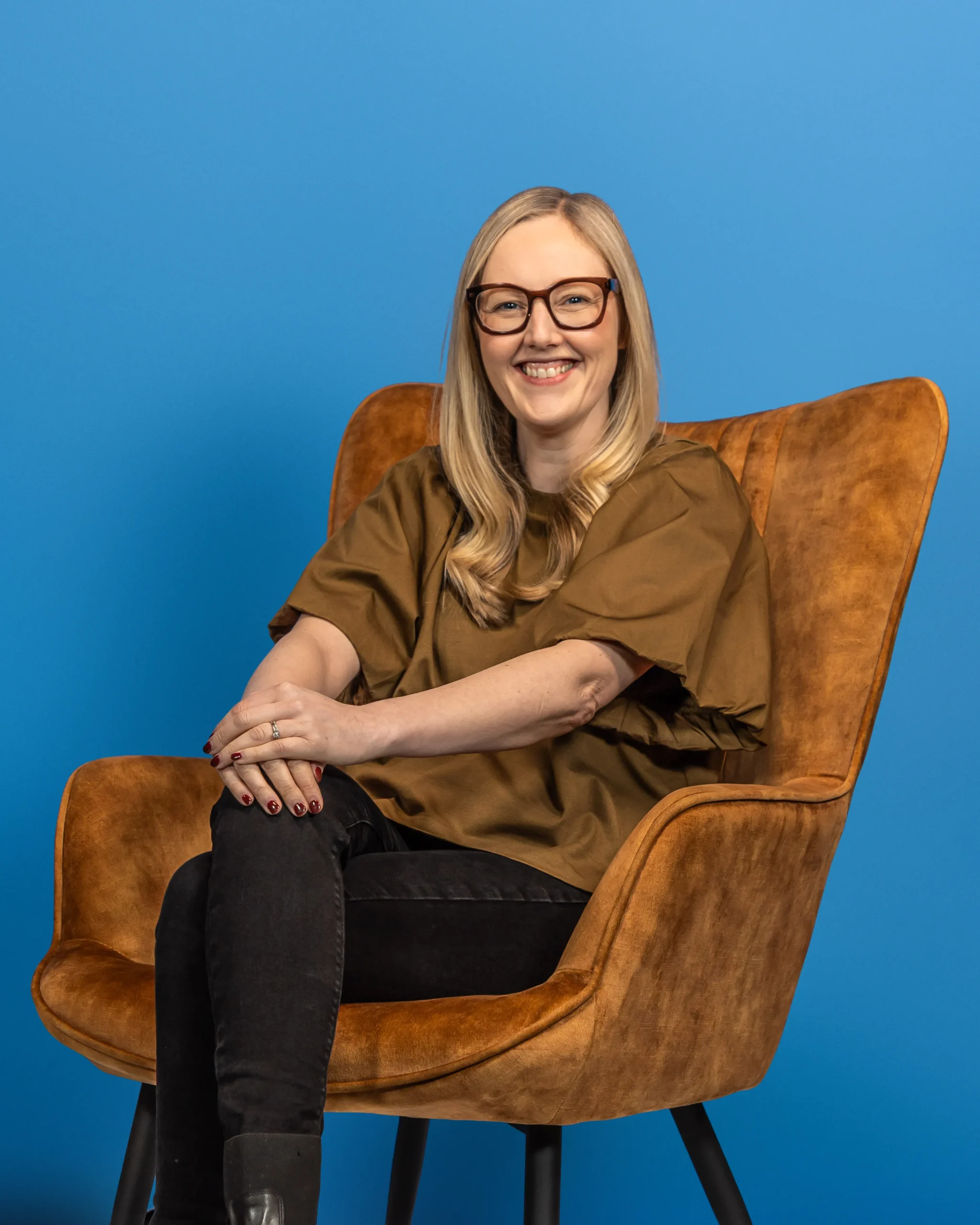
This week, we meet Claire McCarthy, owner/director of Premier UK Event Ltd.
How many years have you been in the events industry?
It’s been 13 years now, but I hadn’t worked in events until I joined Premier back in 2013. Before that I had client-side marketing roles and a retail marketing agency background, which I think actually helped hugely in supporting the business to get where it is today. Customer service is key!
How do you balance professional growth with personal commitments, and do you think the industry is evolving in terms of work-life balance?
I think the industry has evolved massively in terms of work-life balance over the last few years, but then again, I think it had to. Remote and flexible working were forced upon us by Covid, and I think it’s one of the only genuinely positive things to come out of the pandemic. A lot of areas of events are quite female dominated, and in a lot of cases women are still expected to be the primary caregiver when it comes to kids, so to retain great talent, we have to support flexible working.
Being a full-time working mother myself, while part-owning an event agency, can be a tough juggling act. There’s always something else on the to-do list, but it’s important to know what your priorities are and to ring-fence time for those.
For example, I’ve started blocking off one school pick-up a week. I know I can’t be there everyday, and the day might change week to week, but I get to do that really important thing at least once a week, which is great for both me and my daughter. I think it’s really important to know what fills your cup up, what brings you joy, and to protect time for that. There will always be work to do, but family time is precious.
How do you see the events industry evolving in terms of diversity, equity, and inclusion?
Honestly, I think the whole industry still has work to do, and I’d say we’re at an interesting turning point. For years, diversity in events was treated as a gender numbers game: get more women in the room, tick the box. But that’s shifting today. The conversation now is much more about intersectionality, with disability, neurodiversity, mental health, ethnicity, age, all sitting alongside gender rather than being separate initiatives.
That being said, the gap between saying that and doing it is still wide. Women make up a large share of the workforce but remain underrepresented at senior leadership level, and most companies still don’t formally monitor ethnicity or LGBTQ+ representation at all, so we’re often flying blind on where the real gaps are.
The other shift I’m seeing is in how accessibility gets treated. It used to be an afterthought, something bolted on if someone asked. Now the better operators are building it into event design from the brief stage, not reacting to requests once delegates arrive. Clients are also starting to expect this from their suppliers rather than treating it as a nice-to-have, which is pushing the whole industry forward faster than internal policy ever did.
At Premier we’ve tried to get ahead of that shift. Half our board directors are female, and we’ve backed that up with practical things like open-ended accessibility questions on registration forms, quiet spaces and prayer rooms as standard, and a discreet lanyard system so our team can spot who might need extra support without anyone having to explain themselves publicly. None of that is groundbreaking, but it shows what happens when inclusion is built into planning rather than added on afterwards. I’d like to see more of the industry get there.
What advice would you give to young women looking to enter and succeed in the events industry?
Honestly, I think it’s a tough time to be starting out. With costs rising for employers by way of National Insurance and minimum wage increases, and AI changing what junior roles even look like, I think people entering the industry at a junior level are going to find it genuinely hard to get that first job.
So my advice is to get as much hands-on experience as you possibly can. Grab any work experience or opportunity you’re offered with both hands, even if it’s not glamorous. You may have to ask many times to get an opportunity, but that real-life experience is what’s going to make you stand out from everyone else applying for the same job.
Once you’re in the room, attitude matters just as much as ability. At Premier, we talk about being radiators, not drains. You spend so much time at work, and you want to be surrounded by positive, happy people. Leave the room happier than when you arrived, spread a bit of joy. It’s exactly the kind of thing that gets you asked back.
And if you want to really stand out, be a problem solver. Be a safe pair of hands, own the job you’ve been given, all the way through. If you’re asked to chase a venue or supplier and they haven’t come back to you, sending one email isn’t the job done. If you haven’t heard back within 24-48 hours, pick up the phone, send a follow-up, whatever it takes. That task doesn’t come off your to-do list until it’s actually resolved.
And on top of all that, detail matters enormously in events. You have to be organised, all over the detail, because it’s often the little things that make the biggest difference.
How do you handle setbacks and failures?
I think setbacks are largely down to attitude, how you handle something matters more than the fact something went wrong in the first place. You’re always going to come across problems, whatever industry you’re in, but especially in events.
Say something you really need hasn’t arrived, and isn’t going to arrive in time. What are your options? Can you get a backup? Can you rework the agenda so that item isn’t needed until later, by which point it will have arrived? Brainstorm every option, work out which ones are actually achievable, and then present them. Never go to someone with just a problem, always go with options for how to solve it.
Setbacks show up in your career too, not just on the day of an event. Maybe you’ve applied for fifty jobs and got nowhere, or missed out on the one you really wanted at the last minute. It’s easy to feel defeated. But if you want something badly enough, you keep pushing until you get it. I genuinely believe that if you want something enough, and you work tirelessly, you will eventually get it.
What changes do you think are still needed to create more opportunities for women in leadership?
Honestly, I’ve been really lucky. For the majority of my career I’ve been surrounded by women in senior positions, real role models I could look up to, and I’ve never felt that being female held me back in my own career. So it’s not something I’ve experienced first-hand.
But a large proportion of the events workforce is female, so as an industry, and honestly in the wider corporate world too, we need a much better understanding of the flexibility women need to get back into work after having children. That’s where I think the real barrier sits. Not talent or ambition, but whether businesses actually build in the support and flexibility for women to come back and keep progressing and climbing the ladder post-children.