

Olympia has been at the centre of the events and exhibition industry for a long time, solidifying itself as a prominent event space where ideas come to life. As of late, the venue has been in the spotlight for its £1.3bn redevelopment and everyone has been along for the ride, watching the venue transform day to day from a traditional events venue to a brand-new destination filled with more than just space for events but for culture, hospitality, music, theatre and entertainment.
In the next year Olympia will dramatically change as the final touches on the developments and its transformation will be realised. Conference News takes a moment to reflect on the milestones that have defined Olympia’s 139-year journey and how it continues to turn organisers’ visions into reality.
From the beginning
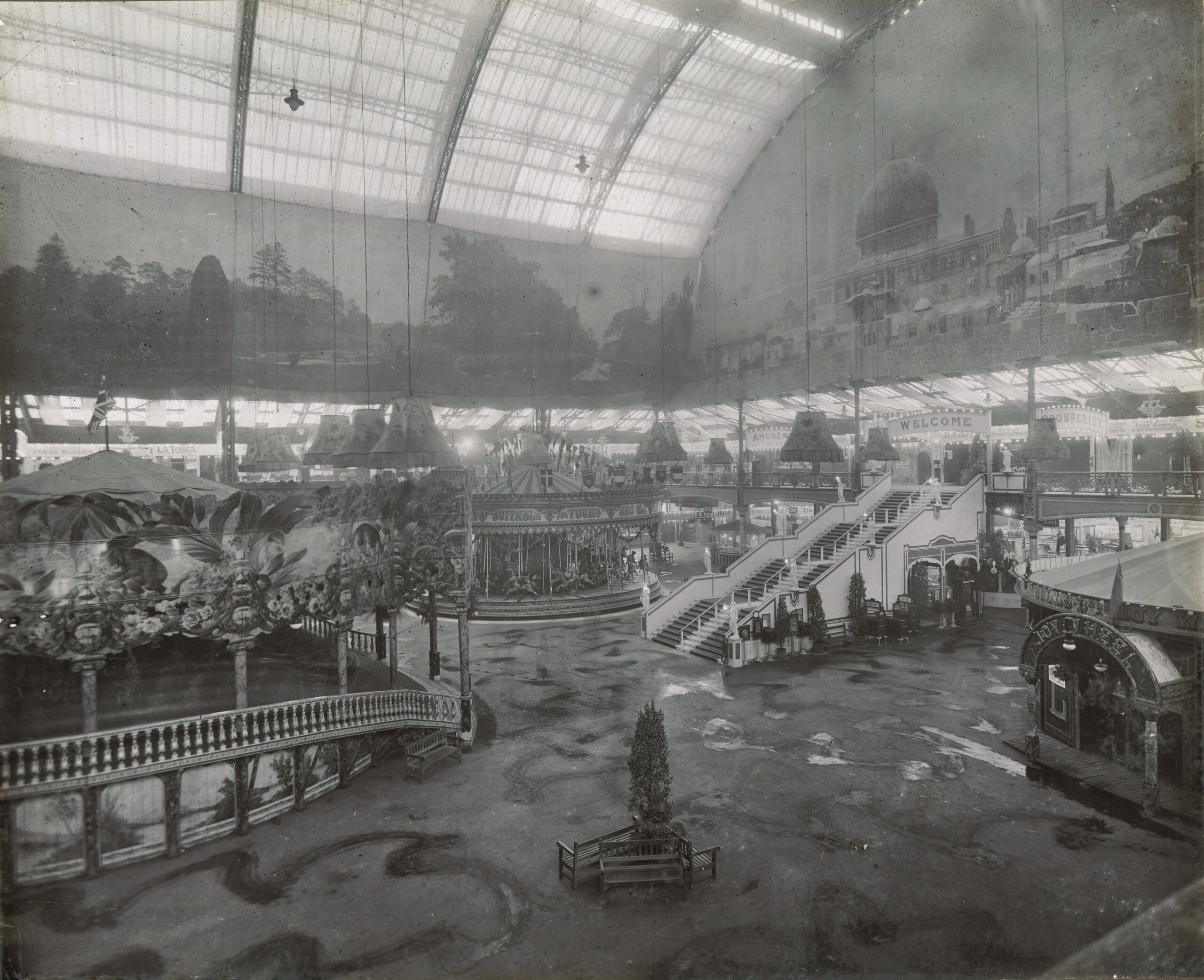
It is 26 December 1886, and architect Henry Edward Coe unveils Olympia, showcasing the impressive 170ft roof span, unknowingly creating what would be recognised as the venue’s signature, setting it apart for decades to come. The Paris Hippodrome was the venue’s first major multifunctional exhibition defining the venue from the very start as one for exceptional events.
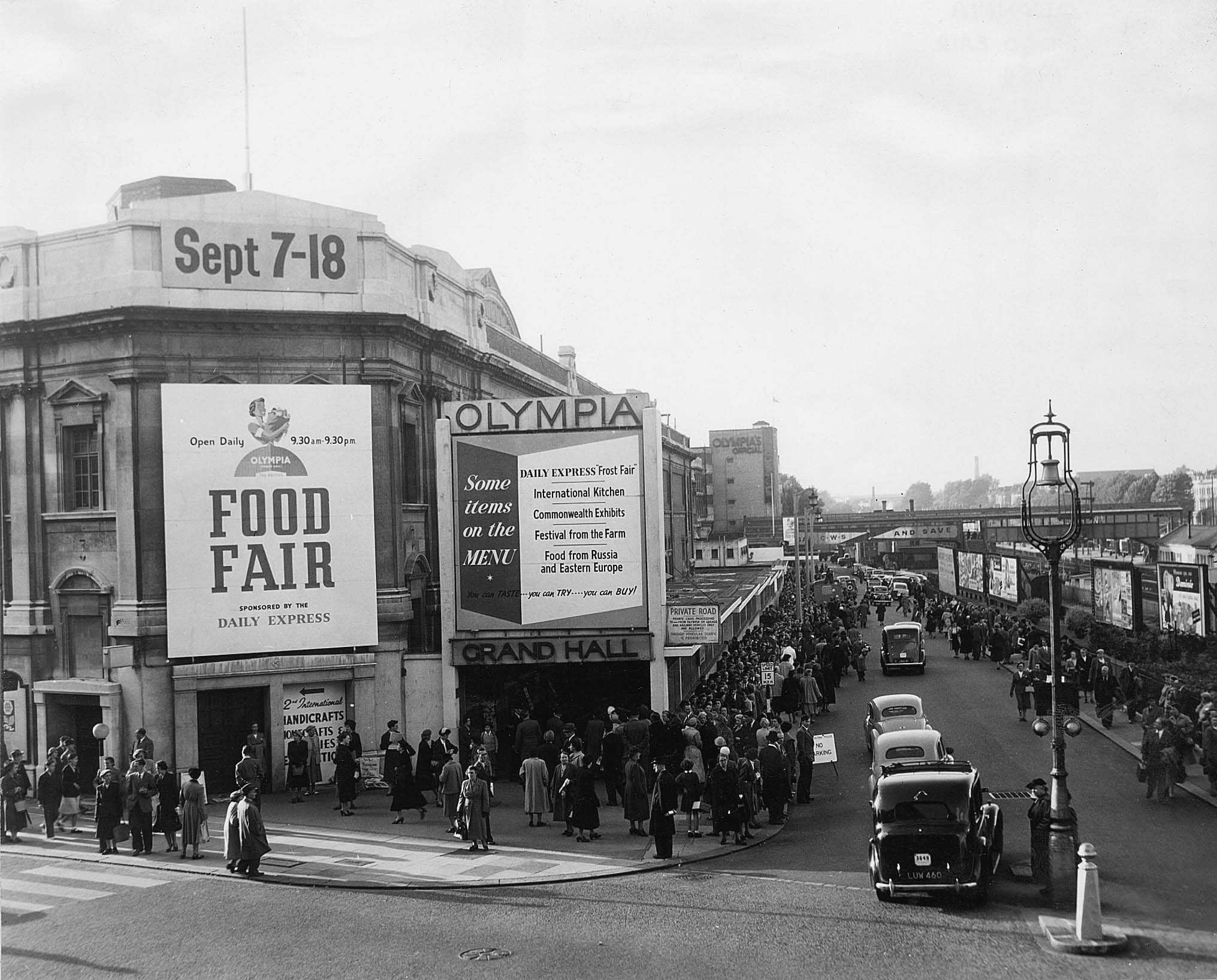
From 1888 to 1908 Olympia continued to host exceptional events and kept raising the bar. From the first Great Horse Show that would later become the London International Horse Show to the very first ever Ideal Home Show in 1908, the venue’s longest running shows began at this time.
The Great Horse Show became one of the most prestigious equestrian events in the UK. It not only brought international showjumping and dressage to a London audience but also helped establish Olympia as a key venue for sporting spectacle and royal patronage. For over a century, it was a festive highlight of the city’s winter events calendar, blending tradition with world-class competition.
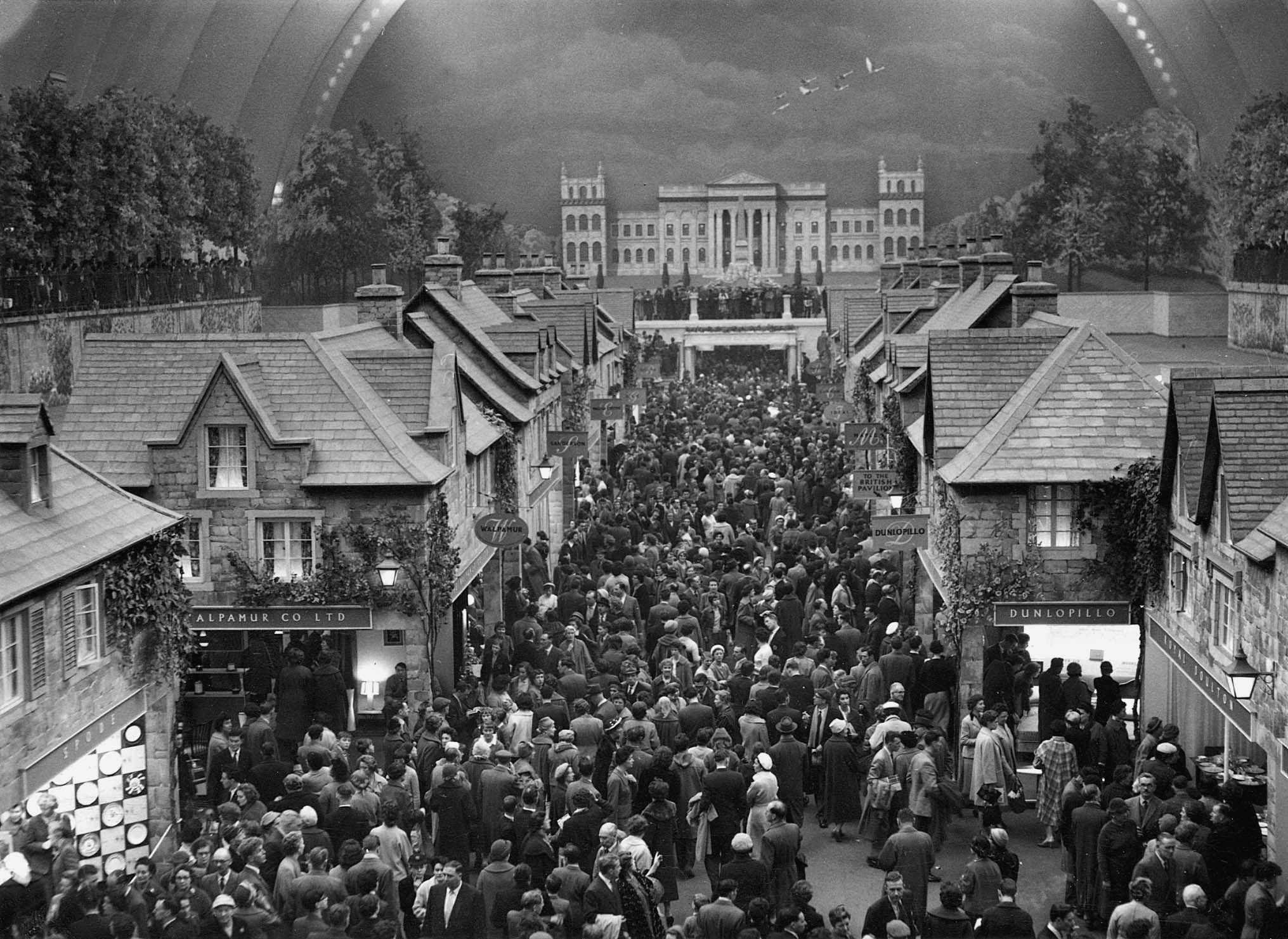
The Ideal Home Show, which is still running today, launched in 1908 by the Daily Mail at Olympia. The show revolutionised how the British public engaged with design, innovation, and domestic lifestyle. By showcasing full-scale model homes, futuristic appliances, and emerging trends, it became a cultural touchpoint for generations. The show’s success helped solidify London as a global hub for consumer exhibitions and set the standard for experiential events in the 20th century.
In 1930 The Empire Hall (now known as Central Hall) designed by renowned architect Joseph Emberton was built almost like a department store, and in 1983 it relaunched as Olympia Two with its signature art deco feel that we can still see today. With its Portland stone façade and clean, modernist lines, the hall marked a bold departure from Olympia’s earlier Victorian structures and symbolised a shift towards contemporary design and ambition in London’s events landscape. Its construction significantly expanded Olympia’s capacity, allowing the venue to host large-scale trade fairs, exhibitions, and entertainment events, and cementing its place as a major force in the capital’s cultural and commercial life. As a Grade II-listed building, Olympia Two remains a preserved example of interwar architecture, and its restoration is central to the current £1.3bn redevelopment of the site ensuring Emberton’s legacy continues to influence how Olympia serves the city today.
The millennium onwards
From the time of the millennium, Olympia begins to shape itself as a major venue, hosting a mix of events showcasing its versatility. Among the highlights was the European Computer Trade Show (ECTS), one of Europe’s leading trade-only gaming expos, which attracted international developers, press, and tech brands. Olympia also welcomed thousands of collectors and dealers to its prestigious art & antiques fairs, as well as consumer expos, concerts, and conferences.
By 2011, the venue was ready for change and ready for more. A 20m investment started at the venue with the new west hall, providing two floors of 4000sqm each and in 2012 Olympia celebrated 125 years with a specially commissioned works of art. The first was by Rob Ryan, who highlighted the ornate barrel roof and referenced the first event to take place at Olympia; the Hippodrome Circus in 1886. Two short years later and Olympia was ready to invest into its future again with another 30m development to modernise the venues’ spaces.
From 2017, under new ownership, the venue began focusing on a bold vision for its future, bringing it closer to the transformation we see today. Acquired by a consortium of investors led by Deutsche Finance and Yoo Capital, the question soon shifted from restoration to reinvention. The thought was: ‘how can people truly enjoy and make the most of Olympia over the next 130 years?’ That vision carried the venue into 2022, when ASM Global was appointed to manage the site and help shape a future without limits.
Enter 2025.