

In this series, features and series developer Heather Nicholls takes you behind the scenes of some of the most compelling brand activations and events.
In this edition, we meet TRO, the agency behind Amazon Wrapped.
The Brief
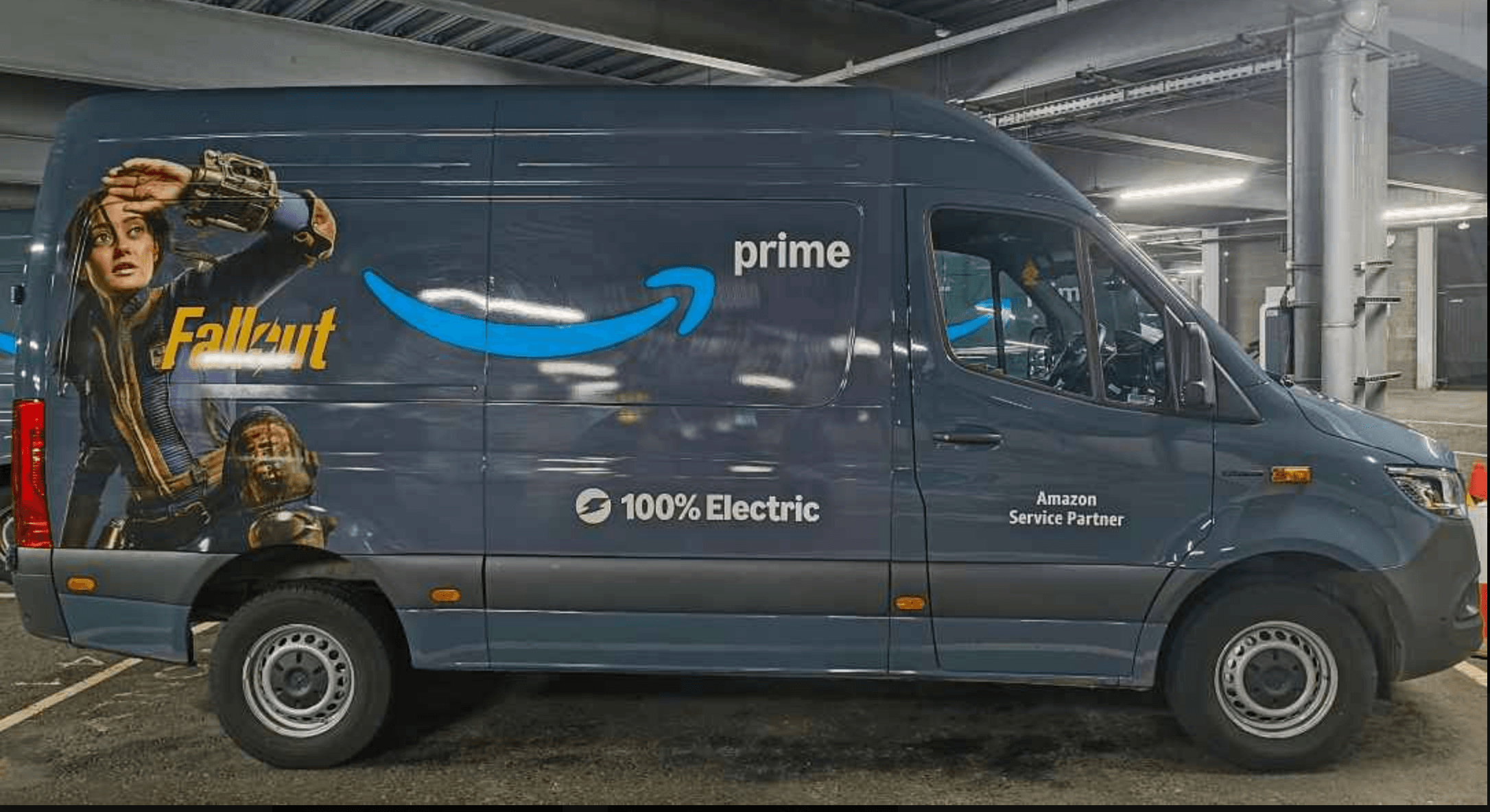
The initial brief from Amazon was to deliver a nationwide vehicle branding programme, focused on applying consistent graphics across a large fleet of delivery vans. The core objectives were brand consistency, operational efficiency, and minimal disruption to depot operations.
TRO interpreted this as an operationally complex, multi-site rollout requiring a structured, programme-led approach rather than just a series of standalone installations. Success relied on orchestrating logistics, supplier management, and stakeholder communication. The agency’s approach prioritised establishing a robust delivery framework, ensuring operational continuity by planning nighttime installations around depot activity, and driving strict quality control to meet Amazon’s brand guidelines.
The Execution:
Tony Foice-Beard, regional manager of TRO explained where the inspiration for the event came from. Foice-Beard said: “The inspiration was rooted in Amazon’s ambition to extend its brand presence beyond traditional channels and embed it directly into day-to-day operations. Rather than treating delivery vehicles purely as functional assets, the opportunity was to transform them into high-impact, mobile brand touchpoints.”

He added: “This was driven by the insight that Amazon vans are constantly on the road, interacting with communities daily. From a TRO perspective, we saw a clear opportunity to treat an operational rollout as a form of brand experience. Well-branded, clean vehicles reinforce customer trust, turning routine logistics into a powerful, organic marketing channel built on consistency at scale.”
The development followed a structured, programme-led approach to take the concept through to a scalable operational rollout:
- Initial Alignment & Scoping: We aligned with Amazon on fleet size, brand guidelines, and operational constraints within live logistics environments.
- Planning & Programme Design: We developed a phased rollout, scheduling installations during the 9pm – 6am operational windows to align with Delivery Station capacity.
- Supplier Coordination: We briefed our installation partners on Amazon’s standards, ensuring material production and communication channels were locked in.
- Pilot & Initial Rollout: Initial installations were carried out to validate the approach, test workflows in live depots, and de-risk the wider rollout.
- Full Deployment & Live Management: We moved into full execution, overseeing multiple sites simultaneously and resolving real-time issues on the ground.
- Quality Control & Reporting: Ongoing post-installation checks and daily reporting dashboards kept Amazon fully visible on progress against targets.
Collaboration was the critical pillar of this programme. TRO acted as the central point of coordination across a complex multi stakeholder ecosystem:
- Amazon (The Client): We worked closely with Amazon’s Fleet Marketing team to prioritise locations. Dedicated communication platforms (like Slack and structured “rooms” per site) ensured direct, real-time engagement and responsive decision-making.
- Suppliers (Installation Partners): Graphic partners were fully briefed on standards and logistics. We engaged in daily tracking to align them with site access rules and fleet data.
- Internal & Field Teams: TRO’s project team led the coordination, while on-the-ground field teams acted as the operational link between suppliers and sites, supported cross-functionally by our recruitment, finance, and tech teams.
- Site-Level (DS & DSPs): We established key contacts at Delivery Stations and Delivery Service Partners to balance our installations against their live operational needs seamlessly.
The biggest challenge for this activation was achieving alignment at scale across a highly complex, multi site operational environmen, while working to shifting timelines. Foice-Beard said: “We had to coordinate Amazon’s internal teams, multiple suppliers, TRO field teams, and local site stakeholders, all of whom had different constraints.”
He added: “This was compounded by constantly evolving schedules, variations in depot capacity, and site readiness. To overcome this, we established a centralised communication framework with dedicated channels for every single site. We reinforced clear roles and responsibilities and built a scalable, agile delivery infrastructure. This flexibility allowed us to adapt schedules, reallocate resources dynamically, and resolve issues quickly on the ground to maintain momentum.”
The Results:
Foice-Beard said: “Overall, the activation delivered strongly against the core objectives, achieving broad coverage across all regions. From a delivery standpoint, we successfully translated the rollout into a visible and consistent brand presence across the Amazon fleet.”
The outcomes were:
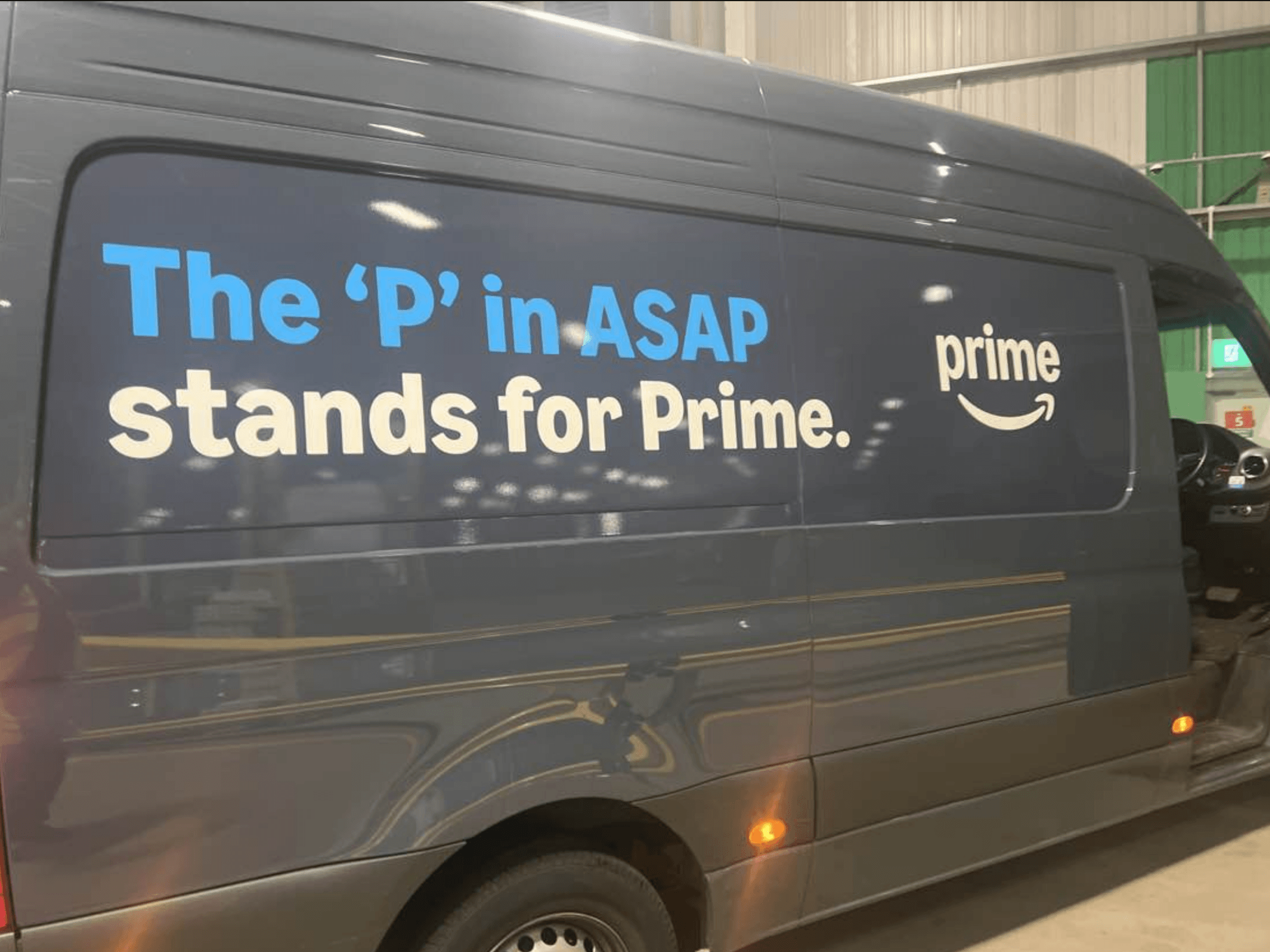
- Increased Brand Visibility: We transformed the fleet into a mobile advertising platform, delivering sustained, everyday visibility in high-traffic and residential areas without relying solely on traditional media.
- Consistent Quality: Standardised graphics and strict quality control strengthened Amazon’s overall brand perception.
- Seamless Integration: Installations were integrated into live depot environments without disrupting core logistics performance.
- Scalable Framework: TRO established repeatable processes for installations, audits, and repairs, leaving Amazon with a proven, scalable model for future fleet branding campaigns.
Foice-Beard said: “Feedback across the board was highly positive. Stakeholders consistently recognised our ability to deliver large volumes at scale while maintaining momentum under pressure.”
He added: “DS and DSP teams highlighted our effective communication frameworks, appreciating the dedicated Slack channels and having clear local points of contact. They also valued how well the installations integrated into their site operations with minimal disruption. From Amazon’s perspective, the introduction of transparent post-installation audits built tremendous trust, and they specifically praised the TRO team’s “bias for action”, our proactive flexibility and problem-solving whenever shifting schedules or site constraints arose.”
Trends and Learnings:
Foice-Beard outlined that the project provided several clear learnings for future large-scale, operationally heavy activations. These are:
- Structured Communication is Critical: Dedicated channels must be designed as part of the delivery infrastructure from day one, not treated as an add-on.
- Plan for Flexibility, Not Perfection: Live operational environments always introduce variability. Dynamic scheduling models and agile contingency plans are more effective than rigid schedules.
- Continuous Quality Control: Quality management must be ongoing. We will further embed real-time tracking rather than relying solely on post-installation checks.
- Early Site Engagement: Engaging local delivery stations even earlier in the process is essential to ensure site readiness and reduce friction.
- Operations as Experience: Every operational rollout should be treated with an experiential mindset, ensuring efficiency always aligns with brand impact.
In terms of trends, Faice-Beard explains that this activation directly reflects the growing trend of blurring the line between operations and experience. He said: “Brands are increasingly utilising their existing infrastructure, like delivery fleets, as always-on experiential platforms rather than relying solely on one-off stunts.”
Faice-Beard said: “We are also seeing a shift toward prioritising scale and consistency, alongside a heavy reliance on data-led execution and continuous optimisation via live reporting. Furthermore, experiential campaigns are now heavily judged on their operational efficiency. Multi-stakeholder collaboration is now the standard, requiring seamless integration into live environments to deliver purposeful storytelling through everyday customer touchpoints.”