

Immersive events are booming right now, with data from Eventbrite in 2024 finding that searches for ‘immersive experience’ on its platform had increased by 83% over the year alone.
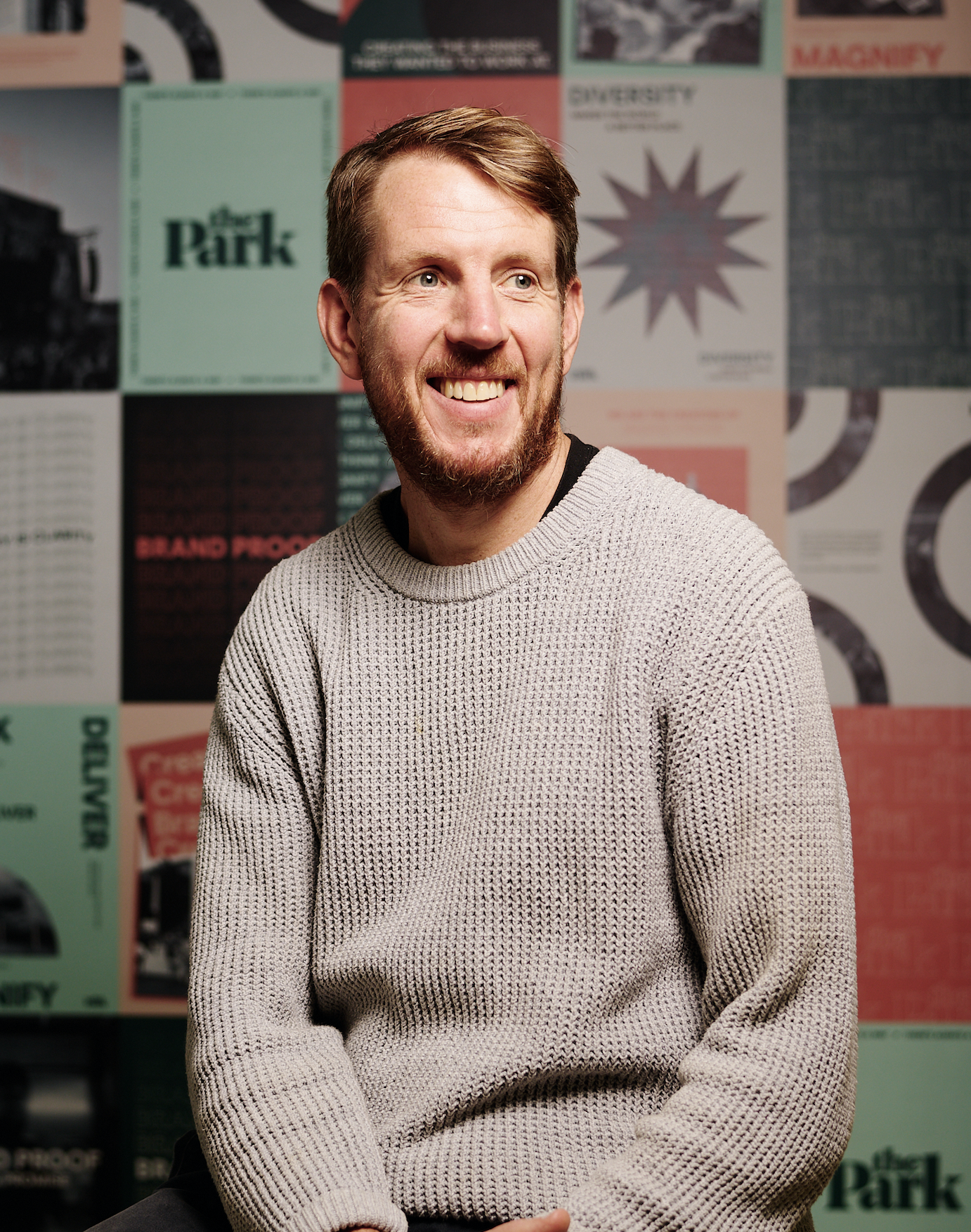
In this feature, we spoke to Jack Lamacraft, global managing director at The Park, an independent experiential agency, about the rise of immersive events, what goes into creating them and the future of immersive events.
Why immersive experiences are booming
Over recent years, consumer habits have evolved beyond passive consumption. Consumers have a desire for active participation and multi-sensory engagement. The pandemic rekindled a yearning for shared, memorable experiences. At the same time, technological development has made the events more accessible and spectacular. Social media has also created a demand for shareable moment, generating more visibility for brands and the potential for events for 100 people, to reach thousands or millions.
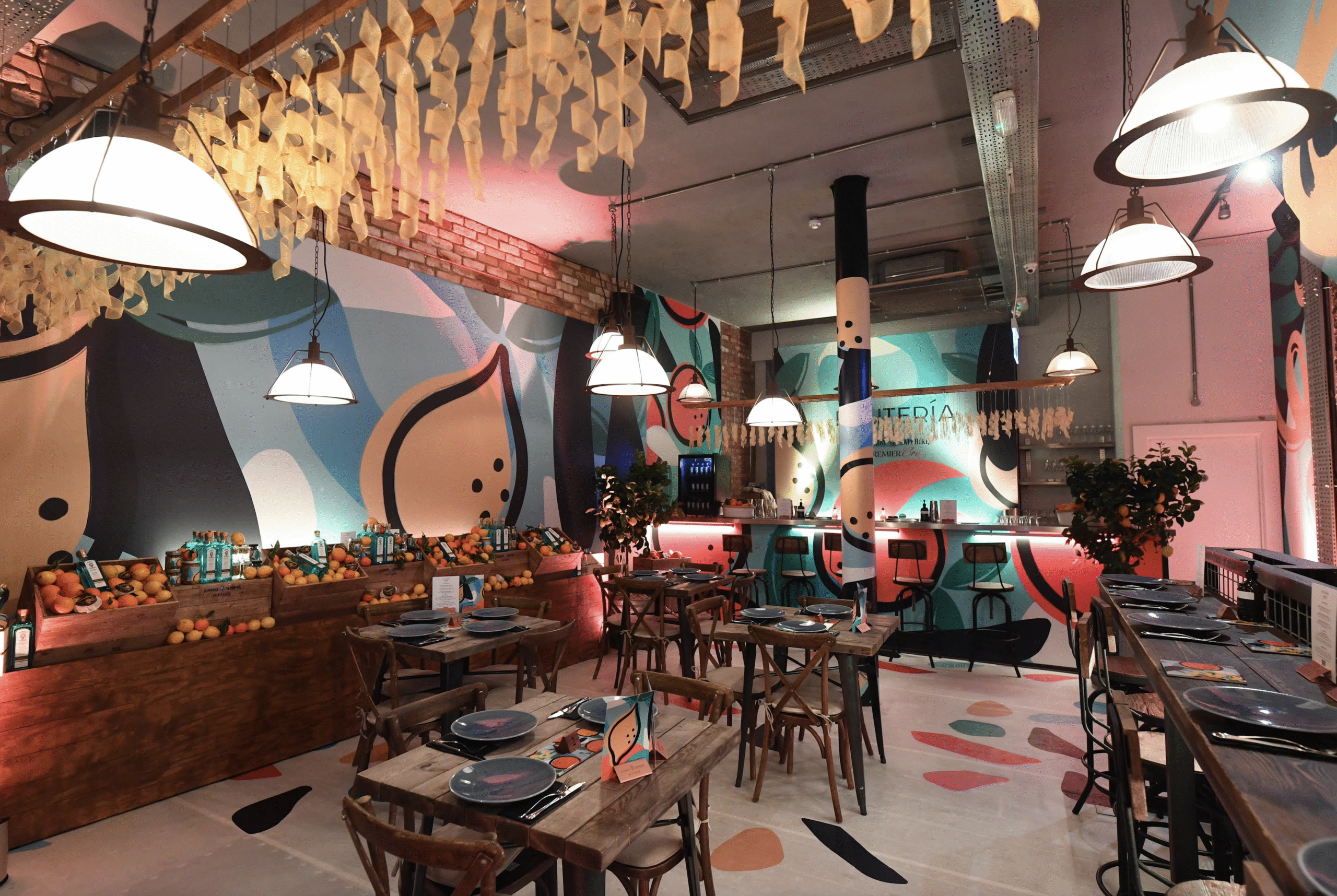
Lamacraft says: “Immersive events help attendees to be completely absorbed in the brand environment. They allow attendees to truly interact with a brand by engaging multiple senses to create a deeper sense of presence. Whether it’s a combination of sights, sounds, technology, or even taste and smell, they have the power to transport attendees to another place. The goal is to create a memorable and emotionally impactful experience that makes participants feel like they are truly part of the brand’s narrative.”
It’s a common misconception that only younger audiences are drawn to sensory-driven experiences, but when executed with purpose, immersive activations have the power to captivate people of all ages.
The key lies in truly understanding the audience before shaping the experience. With the right insight, it’s possible to craft an event that combines creativity, technology, and storytelling in a way that feels authentic and emotionally engaging. Lamacraft says: “Simply treating it as an add-on won’t work. Impactful events are the ones that are driven by strategy to inform the creative and production. Otherwise, they won’t deliver.”
The strategy behind the spectacle
Lamacraft explains that planning an immersive event begins with a deep understanding of brand objectives. Every element, from the creative concept to the final activation, must serve a clear purpose and deliver measurable impact. He said: “Brand objectives are at the heart of everything we do for our clients; we need to demonstrate a worthwhile return on investment for every campaign we undertake. We work really closely with clients to identify KPIs that are actually important, not just vanity metrics, and we keep these front of mind at all times. It’s easy to get caught up in the excitement of the campaign, but we need to always remember why a client is trusting us with their budget and what we need to achieve.”
An example of this is the immersive experience created for Sky VIP by The Park, where twelve lucky people were invited to step into Anthony Joshua’s world. These participants joined his team, trained with him in the ring, and experienced his journey firsthand. The film capturing the story of that experience continued to be played on Sky-owned channels a year later and remains talked about years on, a testament to the power of genuine immersion and emotional connection.
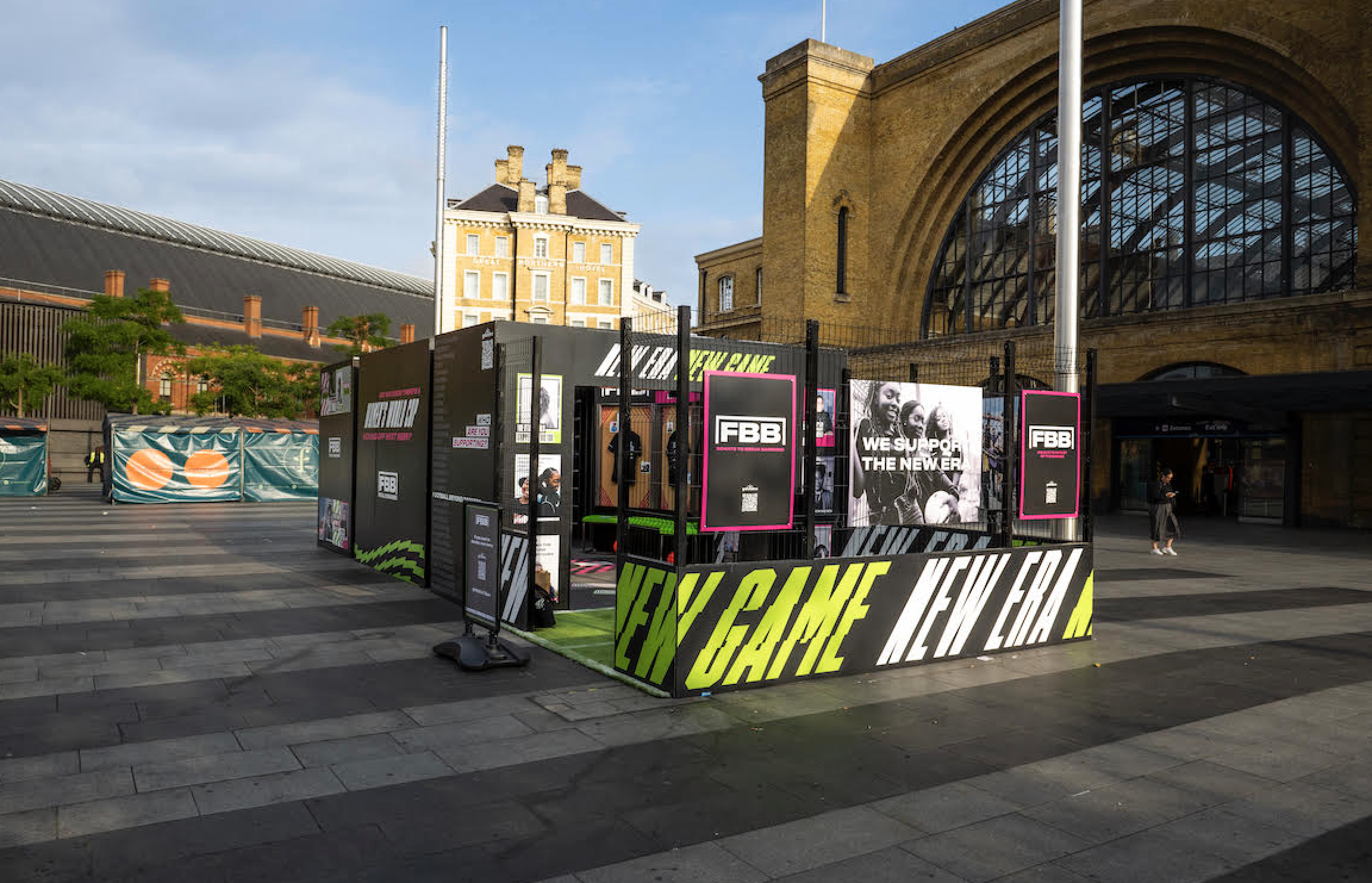
Producing immersive events at scale brings challenges. Managing budgets, logistics, and technology requires a clear process and constant communication. Lamacraft says: “One of the biggest challenges is often clarity, it’s easy to get distracted by too many elements, but the best ideas are often the simplest.”
Big budgets can open up more creative options, but smaller activations can still have a huge impact if the focus and goals are clearly defined. With the right insight, it’s possible to be clever with design and interaction, creating simple yet memorable experiences that truly resonate with audiences.
The future of immersive events
Lamacraft says: “Immersion is definitely here to stay. But like any marketing discipline, it will develop and evolve. Just look at how much things have changed in recent years with the arrival of AR, VR and AI. The industry has changed and we need to change with it.”
As technology continues to advance, its role in event production is only set to deepen. He says: “Technology is amazing. It has given us another string to our bow. We can now create incredible experiences that literally transport consumers to another world. However, it’s not everything. Technology needs to play a tangible role, just because a certain technology allows us to do something doesn’t mean that we should. It should always be part of the conversation for the right brief. Immersion can totally exist without it; it’s all about the power of the idea and the experience we are able to create.”
On whether audiences are becoming jaded by the rise of high-tech activations, he says: “I think it’s a bit of both, to be honest. It’s certainly now more expected and accepted, you can no longer just give someone a VR headset and expect them to be impressed. Technology is always evolving; there will always be something new that a consumer hasn’t experienced.”
For Lamacraft, the future of immersion isn’t just about gadgets, it’s about growth. “Curiosity is key. To keep pace with immersive event trends, agencies need to embrace a mindset of continuous learning. Whether that’s around technology, data analytics, creativity or production trends, it’s important to stay on top of developments to understand how they impact our craft and the skills needed to embrace them.”