
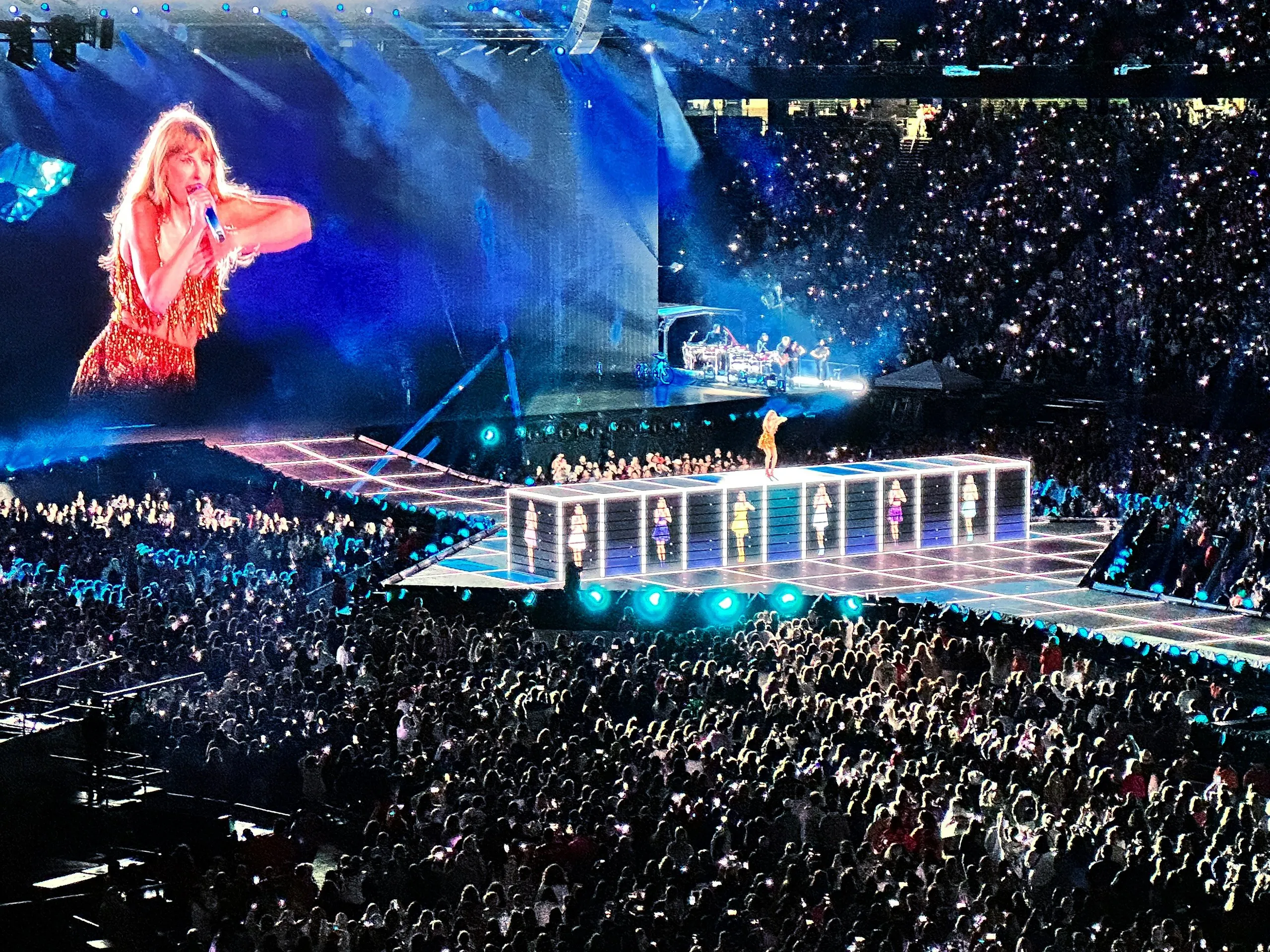
Welcome to the next instalment of What event planners can learn from…, a new CN mini-series pulling lessons for organisers out of the stories, shifts and disruptions playing out in the wider world. Second up: Taylor Swift’s wedding.
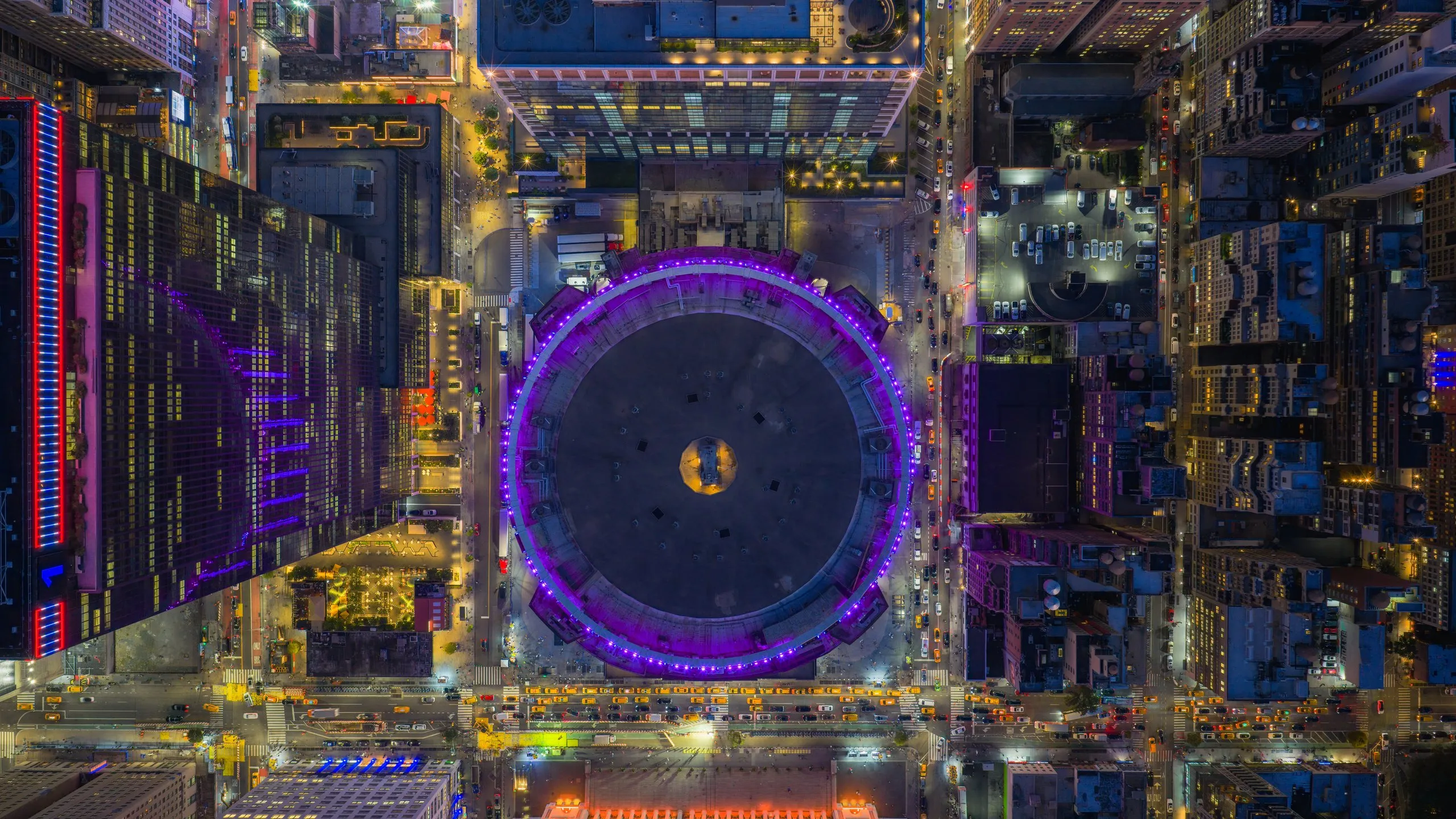
Taylor Swift and Travis Kelce got married on July 3 at Madison Square Garden in New York City. The couple hired out the venue for three days, reportedly at $1 million per day.
The wedding has caused a media storm, with fans and commentators picking over every detail from the guest list to the florals. For event planners, though, the interest isn’t in the guest list or the dress, but in the operational choices made behind the scenes.
How do you secure a venue of that scale for three days straight, keep a trusted supplier chain airtight for months of planning, and control a guest experience when the whole world is trying to get a look inside?
One anonymous guest told People magazine that the wedding was full of games and a raffle, and that “the whole evening felt very guest-centric, there was always something to do, see or play.”
Lesson 1: Look beyond the obvious venue
Madison Square Garden is better known for Knicks games and sold-out concerts than for weddings. But for an event that needed to hold a large guest list, keep the public out and manage a ring of press and fans outside, an arena had a lot going for it.
Venues like stadiums and arenas are built to handle huge crowds, heavy security and large-scale catering every week. That existing setup can make them easier to lock down than a hotel ballroom or country house, and they give planners a blank space to design from scratch. The same thinking is behind the growing number of conferences and awards nights held in museums, sports grounds and converted industrial spaces.
For organisers, an unusual venue can do a lot of the heavy lifting before the event has even started. A drinks reception under a dinosaur skeleton or a conference in a football club’s hospitality suite gives attendees something to talk about, and a reason to pick one invitation over another in a busy calendar.
Many of these venues are also keen for the business: a stadium is empty most days of the week, and a museum closes its doors to the public every evening, so both have spaces sitting unused that events can fill. That can give planners more room to negotiate on price and dates than they’d get at a traditional conference centre.
The trade-off is that unusual venues come with their own rules. A stadium might have fixed catering contracts, a listed building might limit what you can hang from the ceiling, and a blank space means every chair, light and table has to be brought in.
The takeaway for planners
- Ask what the venue already does well week to week, whether that’s security, crowd flow or catering at volume, and whether it matches what your event needs.
- Get the venue’s restrictions in writing early, especially on exclusive suppliers, rigging and noise curfews.
- Budget for the cost of dressing a blank space, which can quickly outweigh a lower hire fee.
Lesson 2: Book the days around the day
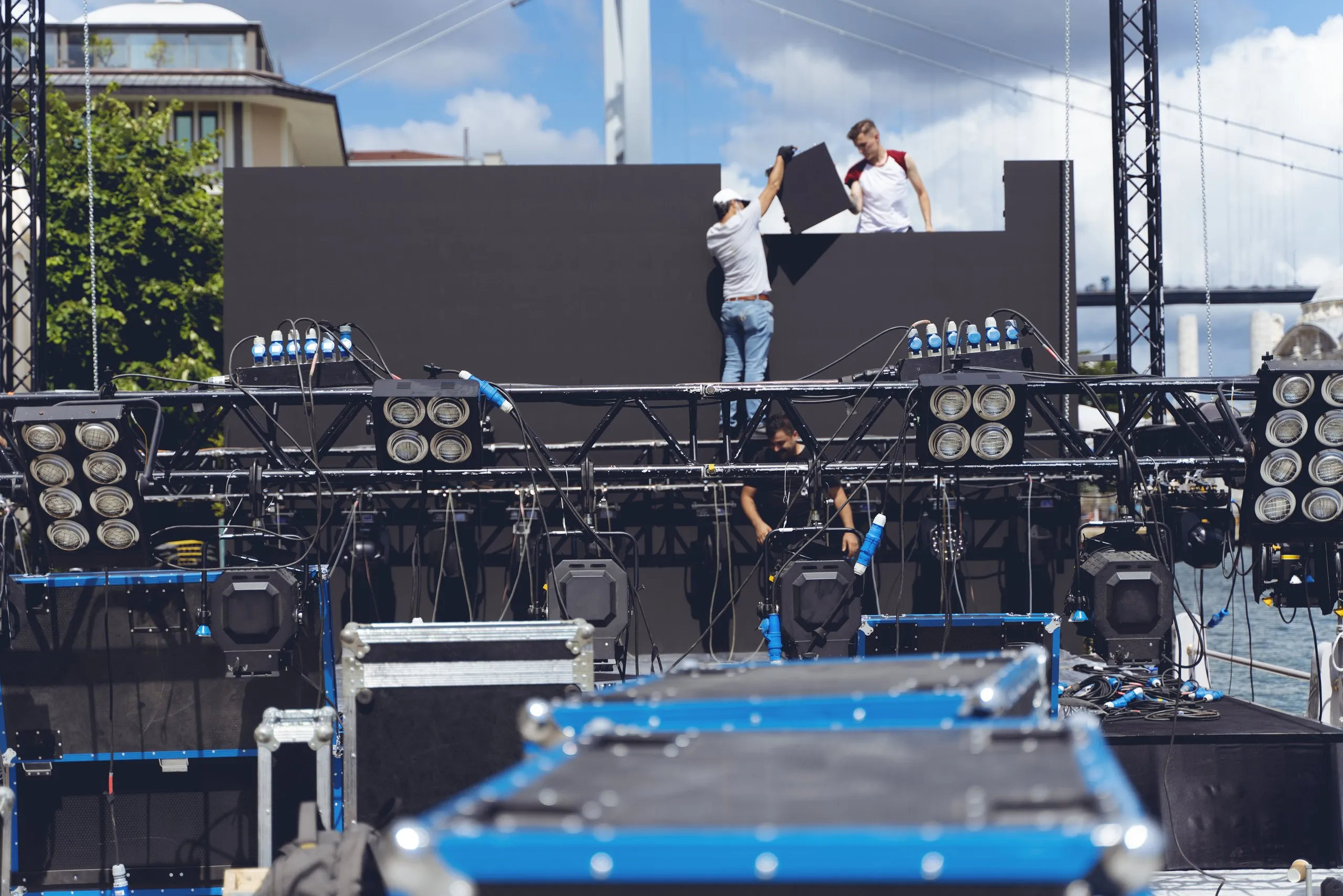
The ceremony may have taken one evening, but the venue hire ran to three days. For an event of this size, the days either side of the main event matter just as much as the event itself: the load-in, the staging, the rehearsals, and the breakdown afterwards.
The wedding kicked off with load in and a rehearsal dinner on 2 July.
It’s a lesson that applies well beyond celebrity weddings. Organisers who book only the show day often end up paying for overnight crews or cutting corners on setup to fit a tight turnaround.
The takeaway for planners
- Price build and breakdown time into the venue budget from the start, rather than treating them as extras to negotiate later.
- Ask venues about availability on the days either side of your date at the first enquiry, before another booking takes them.
- Work backwards from the production schedule to decide how many days you need, not from the event timings.
Lesson 3: Keep your suppliers close
A secret is only as safe as the least-briefed person on the supplier list. For a wedding the whole world wanted to see inside, every florist, caterer and lighting technician was a potential leak.
High-profile events tend to rely on a small circle of suppliers who have worked together before and have a track record of keeping quiet. The same thinking applies to product launches, private corporate events and anything with embargoed content.
The takeaway for planners
- On sensitive events, use suppliers you’ve worked with before and trust, even if a new one is cheaper.
- Put confidentiality terms in the contract rather than relying on a verbal agreement.
- Brief suppliers on what they need to know for their part of the job, and nothing more.

Lesson 4: Go phone-free
It is reported that the wedding was a strict phone-free event, with no guests, vendors or security allowed access to their phones during the event.
Phone-free events are on the rise, with Eventbrite reporting that they have surged by 567% over the past year. From music festivals to corporate conferences, organisers are increasingly locking away devices or asking attendees to switch off entirely, to encourage real engagement and networking over passive scrolling.
For the Swift/Kelce wedding, the aim was undoubtedly to protect the couple’s privacy, but the trend is now creeping into the exhibition and conference world as organisers learn that a little digital detox can make for a more memorable event.
Lucy Eden, founder of Be in Your Element and advocate for phone-free events, said: “I think that in a few years’ time, having a no-phone zone or simply inviting guests to leave their phones as they enter an event, will feel as normal as the smoking ban does today. At first, it feels a bit weird and awkward, but by removing the constant pings you invite the presence.”
She added: “Secret Cinema and other incredible immersive experiences have been doing this for years, and people are more than happy to disconnect because it allows them to truly connect with the experience they’re stepping into. When you think about the amount of time, money, creativity and energy that goes into creating an event, surely the goal is for people to actually be there, not just capture that they were.”
The takeaway for planners
- If you’re going phone-free, tell attendees well before the day so it doesn’t feel like a surprise at the door.
- Offer a practical solution such as lockable pouches or a staffed phone check, so people know their device is safe.
- Consider a partial approach first, like phone-free sessions or zones, if a full ban feels too big a step for your audience.
Lesson 5: Fill the gaps

One anonymous guest told People magazine that the wedding was full of games and a raffle, and that “the whole evening felt very guest-centric, there was always something to do, see or play.”
That wasn’t an accident. Take away people’s phones and you also take away the thing they reach for when they’re bored, so something else has to fill that space. The games and raffle kept guests busy in the moments when they might otherwise have gone looking for a screen.
The quiet moments in any event – the wait between the ceremony and dinner, the changeover between sessions, the queue for the bar – are when attention drifts. Planning something for those moments keeps guests in the room and talking to each other.
The takeaway for planners
- Go through your run of show and mark every point where guests have nothing to do, then plan something for each one.
- Keep it simple: a raffle, a game or a surprise appearance can do more than an expensive set piece.
- Treat downtime as part of the programme, not the space between it.