

Women make up 77% of the global events workforce, yet hold only 16% of leadership roles. The imbalance is well known, but the women driving this industry forward are still too often overlooked.
The 70% is a weekly series dedicated to changing that. Each instalment profiles a woman whose work, insight, and ambition shape the events sector – from emerging talent to established leaders. Through their stories, we explore the pathways, challenges, and perspectives defining what leadership looks like today.
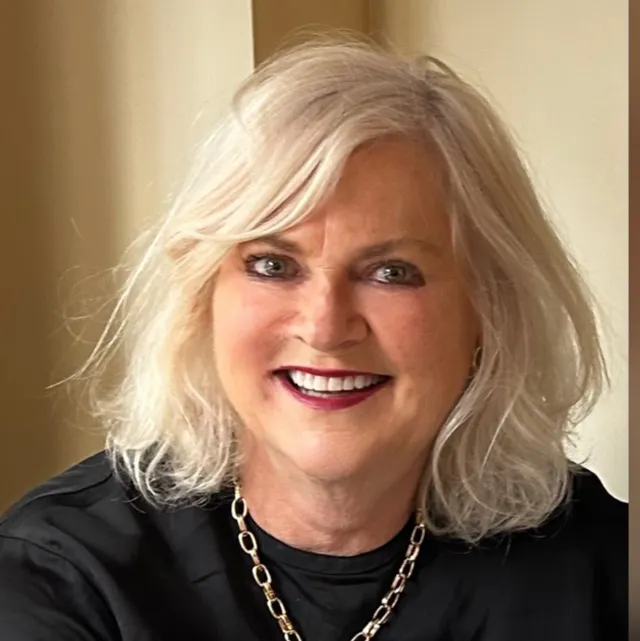
This week, we meet Rosalind Green, business director at Imagination Europe.
How many years have you been in the events industry?
I have a 25-year career in the events industry that started somewhat unconventionally. After finishing an Executive MBA, I was asked to restructure a struggling experiential agency. What started as a one-off challenge quickly became my career.
I fell into the industry by chance, but once I experienced the pace and adrenaline of delivering major events, I was hooked.
Coming from a marketing background, I always believed the industry needed to move beyond being purely production-led and place greater emphasis on strategy, measurable impact and commercial outcomes. Despite some scepticism, that belief led me to launch my own independent APAC agency, defined by strong female leadership and team wellbeing. I later sold the business to a global network.
I moved to the UK during Covid to support my two adult daughters and in doing so, gained a fresh perspective on the industry. It highlighted to me that despite global progress being made, there remains a lot more work to be done to create more inclusive pathways, particularly for women, into leadership.
How do you balance professional growth with personal commitments, and is the industry evolving in terms of work-life balance?
I’m very clear-eyed about the realities of this sector. Events are demanding, requiring long hours, high pressure, shifting client expectations and increasingly tight budgets and timelines. Agencies must be agile and cost-effective, and that can come at a personal cost if you’re not careful.
For me, balance needs to be disciplined, not accidental. After a punishing three-month period in 2025 working an average of 90 hours a week, I experienced significant burnout. It was a difficult lesson, but an important one, making me realise high performance and wellbeing must coexist.
Since then, I’ve completely reshaped how I work. I’m far more disciplined about time-blocking, prioritisation and protecting personal boundaries.
I do think the industry is evolving, but real progress depends on leadership. We need to reward effective delegation, invest in properly resourced teams and make sure people actually take time off after major delivery periods. Ultimately, wellbeing needs to be something prioritised and built into how organisations operate.
How do you see the events industry evolving in terms of diversity, equity and inclusion?
I don’t see DEI as a side issue. I see it as a profitability engine. Organisations genuinely committed to diversity, equity and inclusion, like Imagination, benefit from higher morale, better problem-solving, greater innovation and ultimately, stronger commercial performance.
There has been progress, particularly around maternity leave and the wider recognition that women need better support through different life stages. But policy alone is not enough. Too often, support looks stronger on paper than it does in practice. Women return from leave and find themselves facing slower progression, reduced visibility or assumptions about their long-term ambition.
The disconnect between workforce make-up and leadership remains stark. Women represent the majority of the events industry workforce, between 60-70%, yet senior leadership in the UK remains heavily male-dominated. 59% of UK event professionals feel their organisations do not truly value DEI or do not know whether leaders are fully committed to it.
For me, the issue isn’t a lack of conversation. It’s a lack of structural change. We need to move beyond surface-level initiatives and address the realities of power, access and progression. This includes tackling the different standards often applied to men and women in leadership. A direct man is frequently viewed as decisive. A woman displaying the same qualities is too often labelled aggressive or abrasive, a bias that continues to hold women back.
While this discussion is focused on gender disparity, I believe DEI must encompass every dimension of diversity, including ethnicity, race, sexual orientation, disability and background. The strongest organisations are those which recognise that inclusion benefits everyone.
What advice would you give to young women looking to enter and succeed in the events industry?
My advice is simple: lead with value and visibility.
Build a personal brand based on results, but don’t become so busy delivering that nobody notices the impact that you’re making.
One of the biggest risks I see is what I call the “execution trap” – where women become indispensable in doing the work but are overlooked when it comes to influence, strategy and promotion. My advice is to be visible. Have an opinion and be prepared to voice it. Understand how decisions are made and identify who holds power in your organisation.
Mentors are valuable, but advocates are equally important, people who will speak for you when you’re not in the room. Most importantly, don’t wait for permission. Be proactive, map three potential sponsors, and start building those relationships now.
Generate value, talk about your achievements and have a plan for your next milestone.
How do you handle setbacks and failures?
I treat every setback as data, never a dead end. My process is simple: assess, analyse, redirect.
First, I take time to process what’s happened rather than reacting too quickly. Then I look for the root cause and evaluate the options available. Once I understand the situation, I create a clear action plan and move forward.
This approach has helped me through everything from event delivery challenges to wider career disappointments. I’ve learned that there is almost always more than one solution. Resilience isn’t about pretending setbacks don’t hurt. It’s about creating enough space to reflect, learn from the experience and then rebuild with purpose.
What changes are still needed to create more opportunities for women in leadership?
I believe that the next phase of progress for women depends on action rather than aspiration.
That means transparent succession planning, inclusive meeting cultures, genuinely family-friendly policies and fair access to the informal networks where influence is often built.
The goal is true diversity, equity and inclusion in leadership, not simply because it’s the right thing to do, but because it drives better business outcomes, stronger innovation and higher-performing teams. Achieving this requires commitment from everyone. Leaders need to actively champion diverse talent, challenge bias and create environments where people can progress based on contribution, capability and potential.
We work in an industry powered largely by women. Leadership should reflect that reality.