

Women make up 77% of the global events workforce, yet hold only 16% of leadership roles. The imbalance is well known, but the women driving this industry forward are still too often overlooked.
The 70% is a weekly series dedicated to changing that. Each instalment profiles a woman whose work, insight, and ambition shape the events sector – from emerging talent to established leaders. Through their stories, we explore the pathways, challenges, and perspectives defining what leadership looks like today.
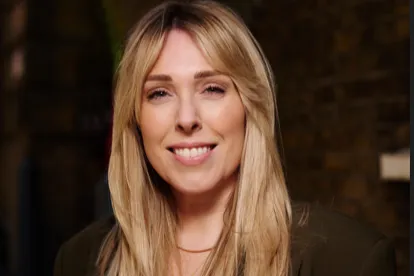
This week, we meet Jen Wong, global head of client services at Robotproof.
How many years have you been in the events industry?
I’ve been in the industry for (whisper it) over 20 years. I’ve always been drawn to live events – the energy, the people, the sense of building something together. I started stage managing and producing live music events while at university, and this has evolved into brand experience campaigns and global events. The scale has changed, but the core stays the same – creating moments people remember, and how we amplify this. That early focus on the craft – the details, the timing, the energy in the room- this is still what makes a great event.
How do you balance professional growth with personal commitments, and do you think the industry is evolving in terms of work–life balance?
Balance isn’t a fixed thing. It’s very personal, and it shifts depending on what’s happening in your career and personal life at a moment in time. Over the past decade, as a working parent, I’ve learnt that you need to trial different types of flexibility and find what works for you. I’ve done roles that are three, four or five days a week to get the balance I need. Be clear on your priorities, and ask for the flexibility you need. It’s likely this will change over time.
I’ve been able to request flexible working at different points in my career, and I want my teams to feel able to do the same. That’s how you keep great talent. The industry is getting better at supporting flexibility, but I’ve found this varies from workplace to workplace.
For me, it’s not about a person doing more; it’s about showing up in the right way, with the right energy and the right support around you.
How do you see the events industry evolving in terms of diversity, equity and inclusion?
There’s been progress, but there’s still a way to go. For example, seeing more women in senior leadership roles is something I feel strongly about personally. There are brilliant female agency leaders showing what’s possible. We need more of that.
The industry needs to focus on support for women returning from maternity leave and retaining women in senior leadership roles. Particularly in events, making it possible to lead even if you aren’t able to travel much or be away on site for long periods. The talent is absolutely there, but the support structures aren’t always in place.
What advice would you give to young women looking to enter and succeed in the events industry?
Jump in and get as much experience as you can. This industry rewards curiosity and getting stuck in. Work with people who share your values and who genuinely support you – this builds your confidence and facilitates growth.
Build your network early and consistently; there are many communities in this industry, and they can open doors. Continue to build your network over the course of your career.
Find mentors and people who champion you. Having those key people who you can call for support, perspective, or advice is invaluable.
How do you handle setbacks and failures?
Everyone has them; the key is to own them, reframe your mindset and find solutions quickly.
In events, things change fast, and you have to move at pace. You have to be able to pivot, adapt, and keep moving. I focus on what I can influence, learn what I can, and be empathetic. To myself and others!
What changes do you think are still needed to create more opportunities for women in leadership?
Flexible working is a big one. Our industry often involves travel, long hours and global time zones, which can be challenging if you have caring responsibilities. Salary parity is also essential. The value of a role should be the same regardless of gender.
We need to understand where and why we’re losing women in industry leadership. There are many women in events, but at what point in their careers do they disappear from the industry? Are we having honest conversations about working hours? Are we valuing the skills and perspective that parenthood brings?
The industry needs to recognise talent and be open to change, and work harder to retain the amazing talent this industry has.