

Women make up 77% of the global events workforce, yet hold only 16% of leadership roles. The imbalance is well known, but the women driving this industry forward are still too often overlooked.
The 70% is a weekly series dedicated to changing that. Each instalment profiles a woman whose work, insight, and ambition shape the events sector – from emerging talent to established leaders. Through their stories, we explore the pathways, challenges, and perspectives defining what leadership looks like today.
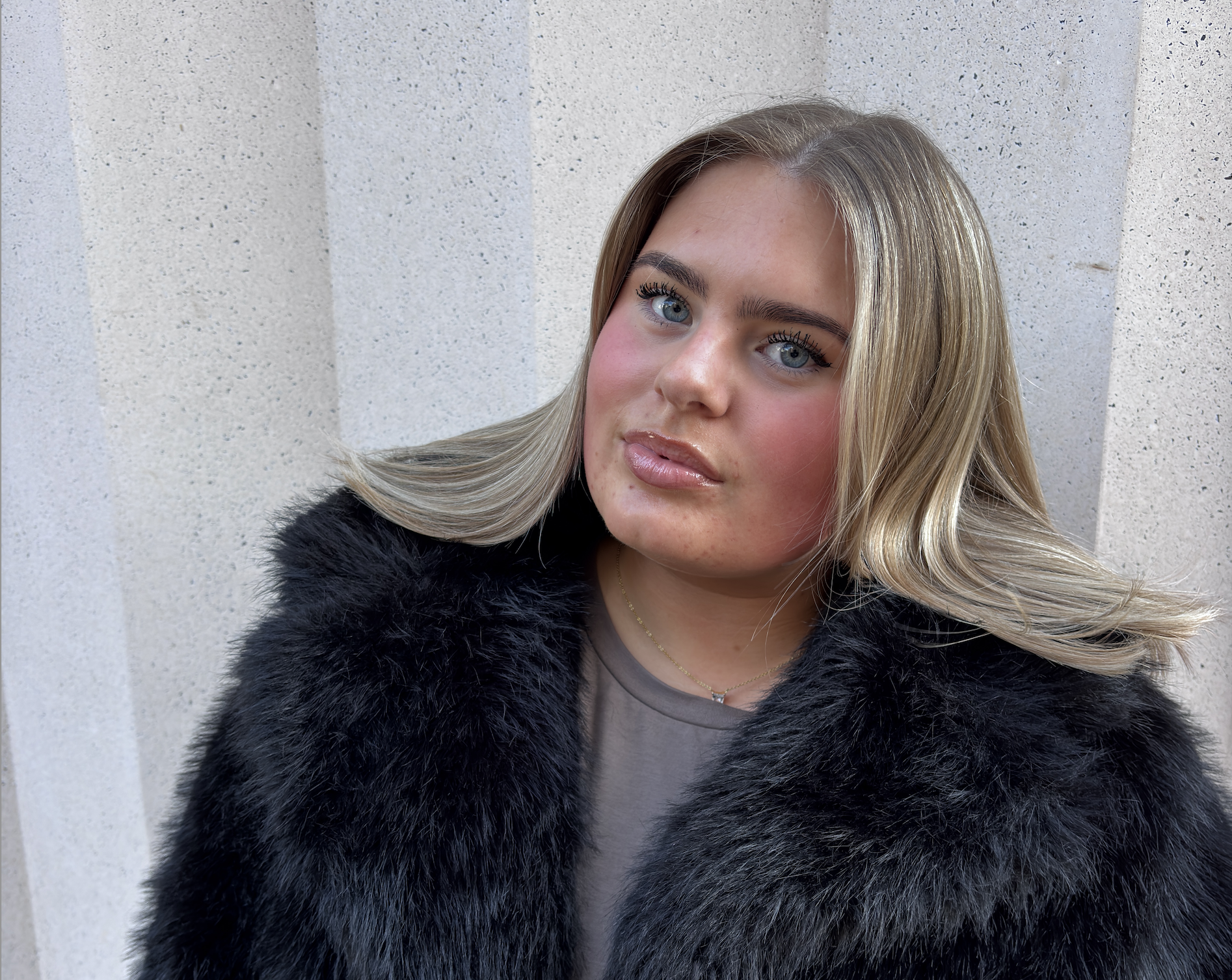
This week, we meet Lottie Bartlett, project coordinator at onepointfive.
How many years have you been in the events industry?
Coming up to four years in the industry, I started fresh out of college having studied marketing, at 18 in Cornwall. One call with my director changed everything, I asked for a chance, got given a MacBook and an email address, and within a week of work experience I had a job. Stepping into a growing London agency with huge clients and constant opportunities felt surreal, but I grabbed it and ran.
I had no idea how big or influential experiential marketing really was. It wasn’t something I grew up around, so stepping into it felt totally new and I wanted more.
How do you balance professional growth with personal commitments, and do you think the industry is evolving in terms of work life balance?
I’m still figuring out the balance, but in our industry, it really depends on what we’ve got on. I genuinely love the work and get such a buzz from it, so being all‑in doesn’t feel like it takes away from my personal life, especially as I’m still finding my feet in London.
The industry can be intense with travel and time on site, but not many people my age get access to these kinds of opportunities. London still feels new to me, and I’m genuinely grateful to be here, growing with the team at onepointfive. It’s shaped who I am.
How do you see the events industry evolving in terms of diversity, equity and inclusion?
There’s still a clear contrast between B2B and B2C environments. In the more corporate B2B space, things can feel quite traditional. Production teams are often male-dominated, while agency teams tend to be mostly female – and overall diversity across the sector remains limited.
In B2C and experiential, the landscape is slightly more varied. As the sector grows across different industries, it naturally attracts a wider mix of backgrounds and perspectives, which is one of the reasons I particularly love working in this space. It also reflects something we talk about a lot at onepointfive; the shift from B2B or B2C thinking to B2P – Business to Person – recognising that ultimately every experience is designed for people first, regardless of category.
In terms of progress, there’s still work to do. At onepointfive, we’re focused on educating the next generation and opening their eyes to the variety of roles within the events and experiential world through our workshops with the Ideas Foundation. Awareness, education, internships and apprenticeships all help open doors, but on their own, they aren’t enough. That’s why Rob and Joel established the partnership with the Ideas Foundation charity from day one – to tackle the issue at its roots and create more meaningful, long-term change.
For real change, agencies need to intentionally create space for emerging talent from backgrounds not currently represented across the industry. That means widening hiring pipelines, nurturing people internally, and actively removing the barriers that have historically limited who get access to these opportunities
What advice would you give to young women looking to enter and succeed in the events industry?
Go for it. You’re the youngest in the room for a reason.
When I first started, I held back and only spoke when I was certain I wouldn’t be wrong. But I’ve learned that confidence is everything, your perspective matters, and using your voice is part of why you’re in the room in the first place. I’m lucky to work with a team that values my input, and that’s helped me become a more solution‑led thinker. I try to always come with ideas and solutions.
And don’t be afraid to ask for help, your team is there for a reason. Coming straight from school, I thought I had to figure everything out alone, but sometimes you need to soundboard, ask questions, and learn through the process. That’s how you grow.
How do you handle setbacks and failures?
Accountability is everything. I came into this industry with no experience, so setbacks were inevitable, but they’ve shaped who I am today. Being honest in a close‑knit team makes all the difference. When you’re real, people are willing to support you, and every mistake becomes a chance to grow.
What changes do you think are still needed to create more opportunities for women in leadership?
What I’m noticing across the industry is that many agencies experience high turnover, and I’d love to see a stronger focus on nurturing and promoting talent internally. Creating clear pathways for growth would give emerging professionals the chance to progress without feeling they need to leave to move forward.
From speaking with friends in the industry, it’s also clear that pay equity remains a real issue. Many women in the industry still experience a noticeable pay gap compared to their male counterparts, and that needs to change.
More broadly, fairness in treatment appears to be a widespread, ongoing concern. When leadership teams are predominantly male, there can be differences even unintentionally in how male and female employees are spoken to, supported, and judged when challenges arise. The “mate culture” might seem harmless on the surface, but when things go wrong, communication can feel less clear and less supportive for women. Thankfully, at onepointfive this isn’t the case, our agency genuinely champions its female employees and operates with a culture of transparency.
DEI shouldn’t be treated as a tick‑box exercise. Real progress comes from genuine collaboration and that includes women supporting and championing other women, not just relying on male leaders to drive the change.