

In this series, features and series developer Heather Nicholls takes you behind the scenes of some of the most compelling brand activations and events.
This week, we meet INVNT, the agency behind HITACHI’s booth at CES 2026.
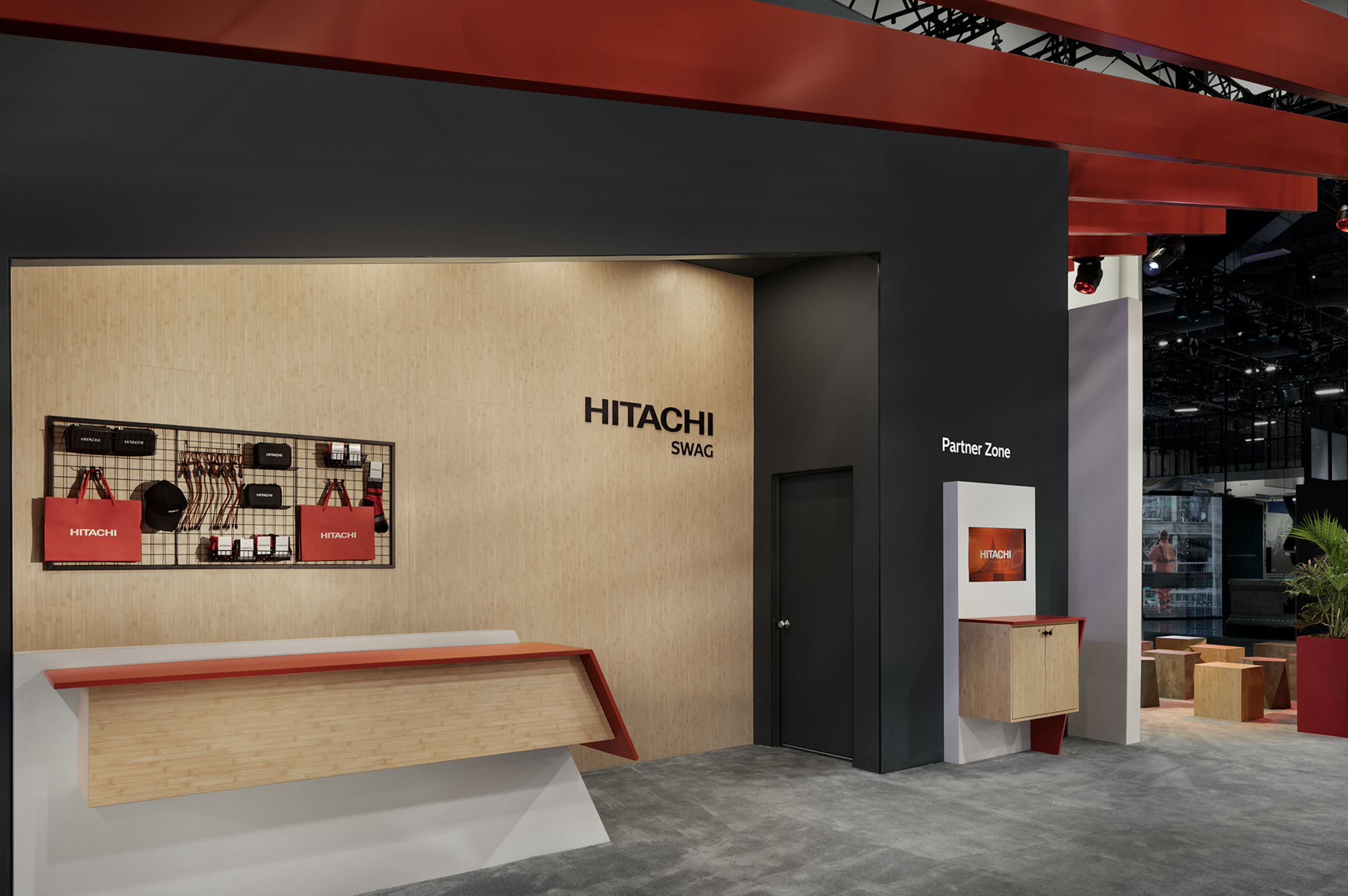
The Brief:
INVNT were asked, for the second year running, byHitachi Digital to design and build the HITACHI CES booth bringing together multiple business units from Hitachi Digital, JR Automation, GlobalLogic, Hitachi Solutions, Hitachi Cyber, Hitachi Rail to Hitachi Energy, to life.
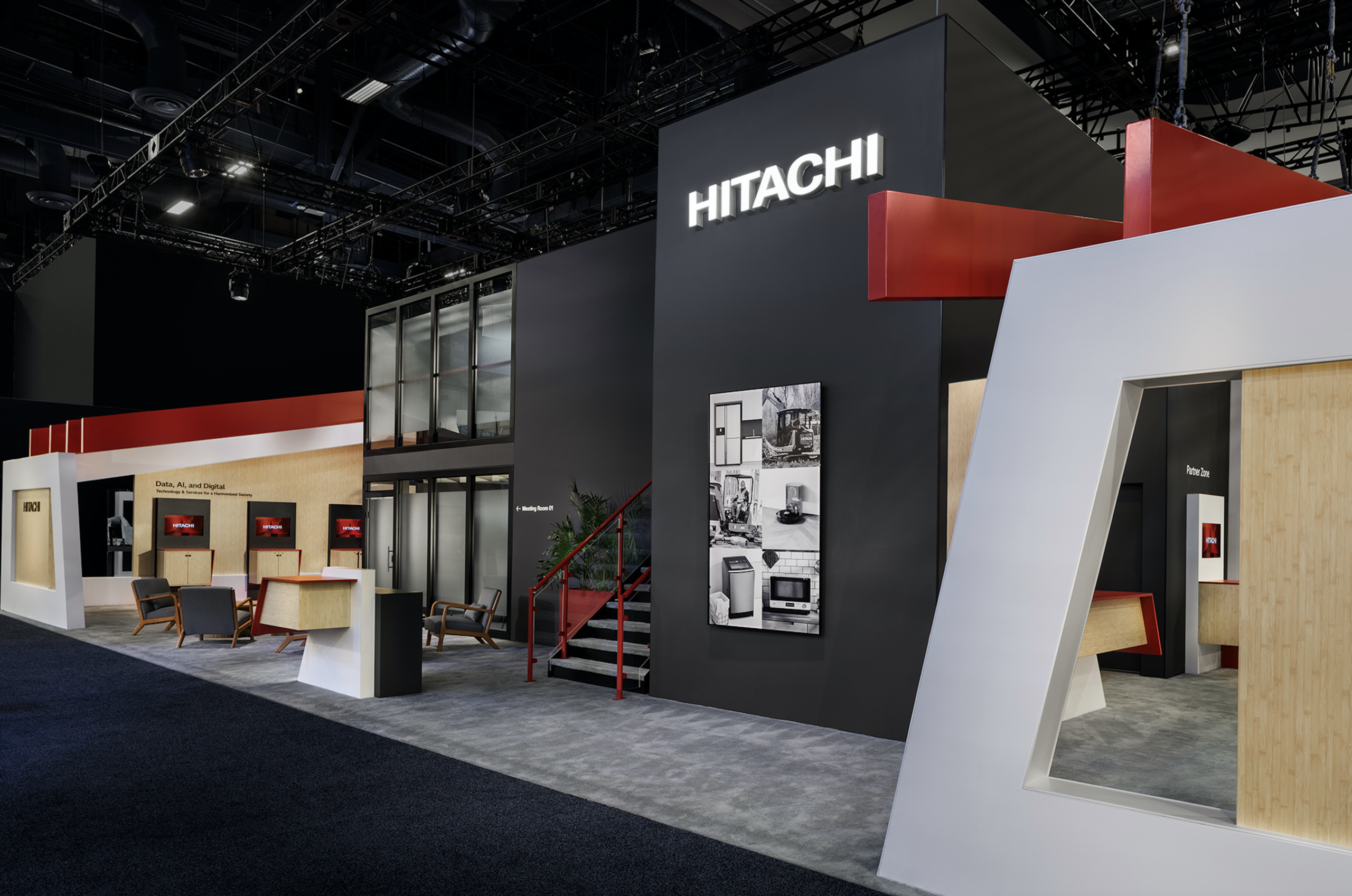
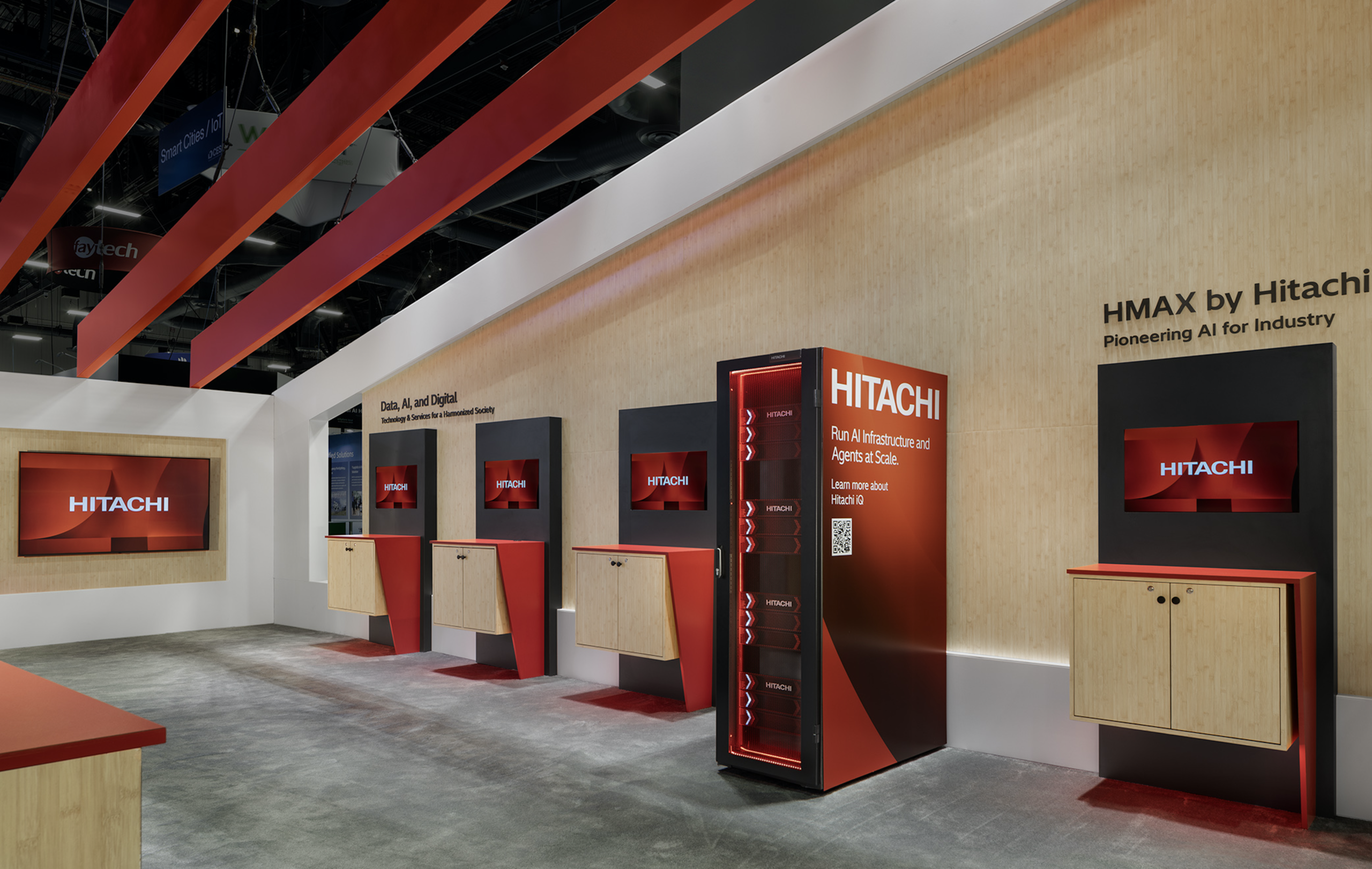
INVNT were briefed to bring Hitachi’s vision of a “harmonised society” to life through a series of themed Zones. Each Zone offering a glimpse into the future of mobility, energy, innovation, and industry, all powered by Hitachi’s innovative solutions.
The Execution:
The 2026 event was a continuation and elevation of the 2025 approach. Following the success of last year’s event, Hitachi took a larger booth but chose to retain the core architecture, carrying through elements such as the angled walls and the red fins above the stand.
INVNT also wanted to build on the theme of harmony by incorporating a circular attendee flow built around a hub and spoke model. INVNT took the initial brief in May 2025 and did initial planning and design iterations of what they could deliver, pushing the envelope with a full two-storey booth.

However, due to budget constraints, they had to scale back.
The same team and suppliers from 2025 were used with consistent weekly internal and weekly client calls taking place. There were various reviews and iterations of designs before the final activation was landed upon. Stakeholders included the leadership team in Japan, as well as the leads for each of the business units within Hitachi.
The Result:
The success of the Hitachi CES 2026 activation was driven by a mix of architectural continuity, pragmatic AI storytelling, and high-value engagement.
The physical environment was a major driver of the event’s success, using a “familiar but bigger” approach to build brand equity. Upgrading to a two-floor booth allowed for a clear separation between high-traffic public storytelling (ground floor) and high-value executive meetings (second floor), maximising both reach and deal-making.
HMAX (The “Hero” Solution): The debut of HMAX, Hitachi’s signature AI suite, was the technological backbone. It served as the bridge between various business units, showing how AI optimises everything from rail grids to manufacturing lines.

The storytelling narrative shifted from “What is AI?” to “How does AI solve societal problems?”
- Thematic Zoning: Instead of organizing by company name (e.g., “The Rail Section”), the booth was organised by societal impact. Zones like Energy, Mobility, and Research & Development for New Horizons made the complex technology relatable to everyday human needs.
- The Innovation Theater: Instead of long, static speeches, Hitachi used 10-minute technical presentations. These “bite-sized” insights kept energy high and allowed experts from different business units to share the stage, reinforcing the “One Hitachi” message.
- Tangible Incentives: The use of black Hitachi chip tokens gamified the experience. Attendees earned these tokens by engaging with experts across 10 different demo stations, ensuring they didn’t just walk past the zones but actually learned the “One Hitachi” story.
Off the back of the 2026 event, the clients have signed up for 2027. They achieved over 2,000 scans and in excess of 50 onsite customer meetings. Strong press coverage for Hitachi was also achieved.
From the perspective of Hitachi’s leadership, the activation hit its strategic KPIs, particularly regarding business development and brand positioning. The collaboration with NVIDIA at the CES Foundry was cited as a major win.
Trends and learnings:
In this new section of Meet the agency, we will discuss the trends that the agency have noticed in regard to the event or ativation, as well as what they learnt from the project.
INVNT has noticed a major 2026 trend is people-centric layouts that simplify the visitor journey. The central “Hub” served as the visionary core (the “Harmonized Society”), while the “Spokes” led visitors into deep-dive zones (Mobility, Energy, Industry). This mirrored how users consume content online, starting with a broad idea and clicking into specifics, making the physical space feel intuitive and organised.
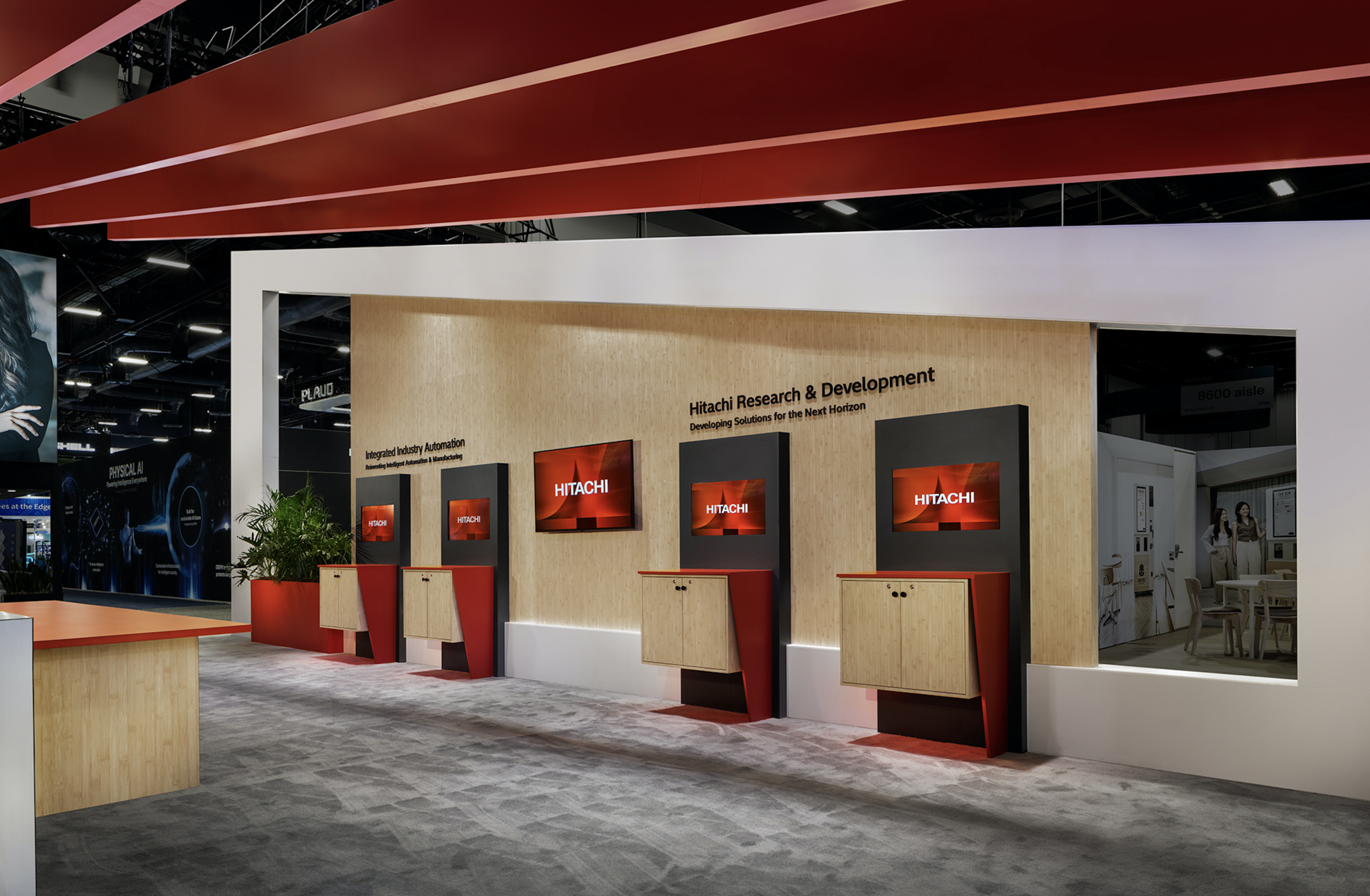
There is also a trend toward Intentional Personalisation, where data collection feels like a fair exchange for value. The use of Hitachi chip tokens transformed the booth into an interactive game. It didn’t just track “foot traffic”; it incentivised deep engagement across 10 different demo stations. Attendees were able to actively “unlocked” the story, turning a passive walk-through into an active discovery mission.
From the project, INVNT learnt a continuation of a deeper way of working in partnership with clients, building trust and developing the ability to anticipate their needs. That trust extended to suppliers too, working with partners who could secure the best outcomes for the project, from the organisers through to the onsite crew.