

Women make up 77% of the global events workforce, yet hold only 16% of leadership roles. The imbalance is well known, but the women driving this industry forward are still too often overlooked.
The 70% is a weekly series dedicated to changing that. Each instalment profiles a woman whose work, insight, and ambition shape the events sector – from emerging talent to established leaders. Through their stories, we explore the pathways, challenges, and perspectives defining what leadership looks like today.
In this weeks edition, we meet Janet Dodd, chief strategy officer at Identity.
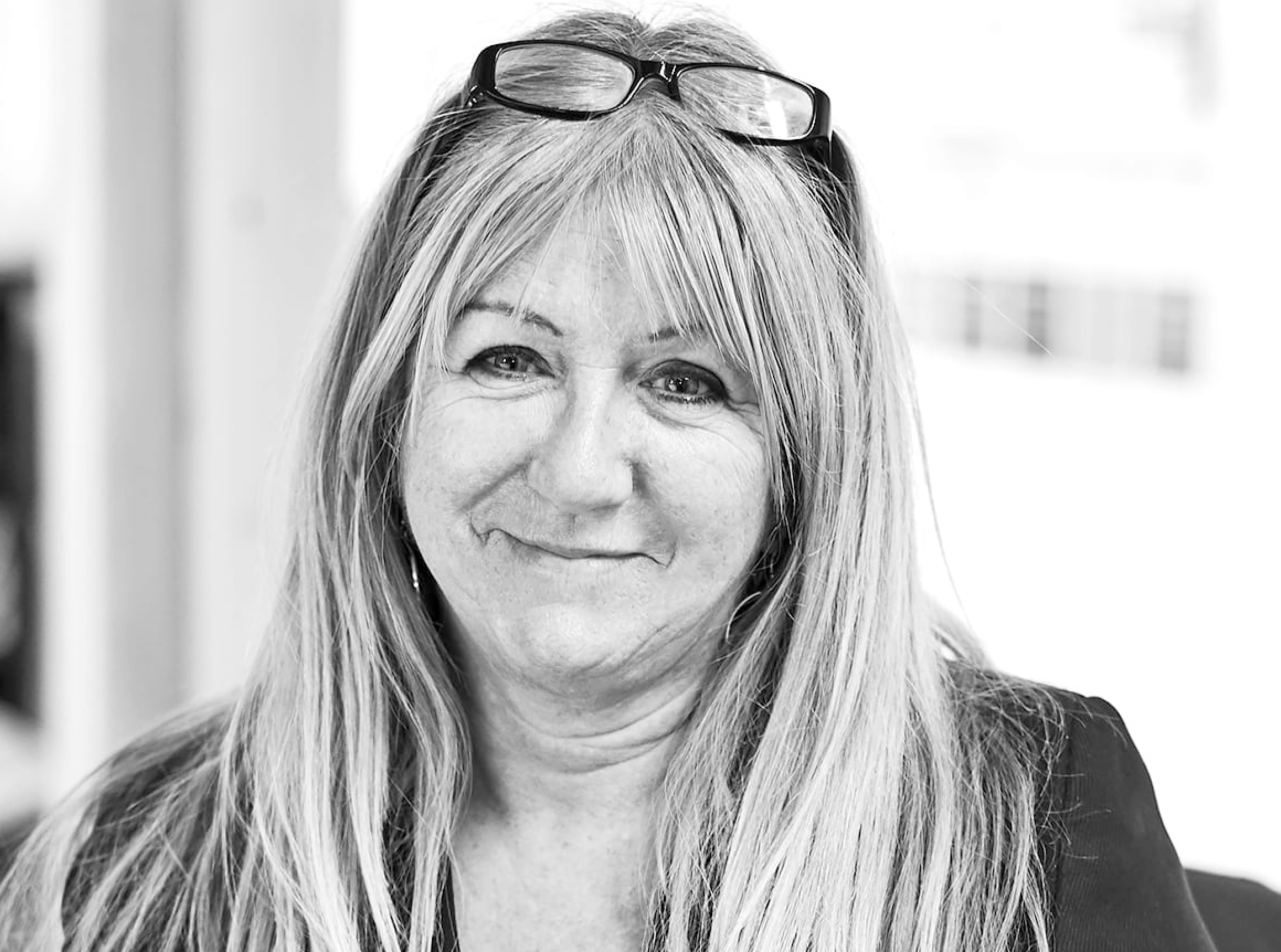
How many years have you been in the events industry?
37 years – which is scary! I started in the industry in 1989. I’ve seen it develop and grow to become a recognised industry. When I started, nobody really knew what it meant to work in the events industry. People thought it was wedding and party planning when, of course, it is much more.
Back then, there was no formal training or education pathway for events professionals. You learned on the job, often by making mistakes and figuring things out as you went along. There weren’t the resources, industry bodies, or professional standards that we have today. It was both exciting and challenging – you had the freedom to be creative and innovative, but you also had to work incredibly hard to prove that what we did was valuable and professional.
What I’ve loved most about being in the industry for so long is watching it mature into something that’s genuinely respected. We now have degrees in event management, professional certifications, industry awards, and a wealth of knowledge and best practices to draw from. The events we create today are so much more sophisticated than they were in the early days, and the career opportunities are endless.
How do you balance professional growth with personal commitments, and do you think the industry is evolving in terms of work-life balance?
It was very tricky in the early days to balance professional growth with personal commitments. I wanted to make a mark and learn as much as I could as quickly as possible, so I put all my energy into developing and growing. There were so many times I missed family gatherings, friends’ get-togethers, and date nights – to the extent where I just stopped getting invited to things because I could never make it. My friends and family are only now beginning to forgive me!
In the early years, it was expected that you would do whatever it took to get the job done. Health and safety, and in particular working hours, just wasn’t a thing back then. You weren’t considered a team player unless you put in the hours.
It is so much better now. It really started to change for the better when health and safety became a thing in the industry and when people started to stand up and say no, it’s not acceptable to work long hours every day and at the weekends and companies started to look at why people were doing it and making changes to reduce those hours.
Advancements in technology have also helped. Being able to work from wherever, whenever has made an enormous difference. More companies now accept that as long as the job is done and the client is happy, people should have the flexibility to do what they need to do to achieve a better work-life balance.
The pandemic accelerated this change significantly. It forced companies to rethink how we work and proved that flexible working arrangements can be just as productive, if not more so. Younger people entering the industry now are much better at setting boundaries than my generation was, and I think that’s fantastic. They’re showing us that you don’t have to sacrifice your personal life to be successful.
So, the industry has come on leaps and bounds, but as ever, there is always room for improvement.
How do you see the events industry evolving in terms of diversity, equity, and inclusion?
When I started in the industry, there weren’t many women in senior leadership roles, which was absurd when you think about the number of women in the industry.
The industry has always been quite diverse at entry and mid-levels, but that diversity hasn’t historically been reflected in the leadership teams or boardrooms. We’re seeing real progress now, with more women, and individuals from diverse backgrounds taking on senior roles and having a voice at the decision-making table.
What’s particularly encouraging is that many companies are now being intentional about creating inclusive environments. It’s not just about ticking boxes or meeting quotas – it’s about genuinely valuing different perspectives and experiences. The best events are those that reflect and celebrate diversity, and you need diverse teams to create them authentically.
We’re also seeing more open conversations about accessibility, mental health, neurodiversity, and creating events that are truly inclusive for all attendees. This shift in mindset is making our industry stronger and more innovative. When you have people from diverse backgrounds bringing their unique perspectives to the table, you create better events and better solutions.
That said, we can’t be complacent. There’s still work to do, particularly around pay gaps, representation in the most senior roles, and creating clear pathways for career progression for underrepresented groups.
What advice would you give to young women looking to enter and succeed in the events industry?
- Believe in yourself. You have the capability and talent to succeed in this industry. Don’t let anyone make you feel like you need to prove yourself more than your male counterparts. Your ideas and contributions are valuable.
- Trust your gut. Your instincts are valuable – learn to listen to them. If something doesn’t feel right, whether it’s a business decision or a work environment, pay attention to that feeling. Your intuition is often right.
- Mistakes happen and they are the best way to learn. Don’t be afraid of failure, embrace it as a learning opportunity. Some of my biggest professional breakthroughs came from things that initially went wrong. The key is to reflect, learn, and move forward.
- Stand up for what is important to you. Your values and boundaries matter in building a sustainable career. Whether it’s work-life balance, ethical practices, or the types of projects you want to work on, don’t compromise on what truly matters to you.
- Learn to say no. This is one of the hardest but most important skills to develop. Early in my career, I said yes to everything because I wanted to prove myself and didn’t want to miss opportunities. But saying yes to everything leads to burnout and spreading yourself too thin. You can’t do your best work when you’re overwhelmed. Saying no to the wrong things means you can say yes to the right ones.
- Build your network. Relationships are everything in this industry. Connect with other professionals, find mentors, and don’t be afraid to reach out to people you admire. Most people in our industry are generous with their time and knowledge if you approach them respectfully.
- Keep learning. The events industry is constantly evolving with new technologies, trends, and best practices. Stay curious, take courses, attend industry events, and never stop developing your skills. The moment you think you know everything is the moment you stop growing.
How do you handle setbacks and failures?
It was hard in the beginning – I always took failures and setbacks badly. I would internalise them and let them affect my confidence. I think many women struggle with this more than men do – we tend to be harder on ourselves. But then I turned a corner. Sometimes things aren’t meant to be, and often there is an even better opportunity around the corner. I’ve had projects cancelled that I was upset about at the time, only to have something even better come along shortly after.
Learn from the setbacks and think about what you need to do differently next time. Don’t take it personally. This is crucial – a project not working out doesn’t mean you’re not good enough. There are so many factors that contribute to success or failure, many of which are completely outside of your control.
I also learned to be more transparent about failures. When you talk about what went wrong and what you learned from it, you often find that others have had similar experiences. It helps you realise you’re not alone, and it can strengthen your professional relationships when people see you as someone who can be honest and reflective about challenges.
What changes do you think are still needed to create more opportunities for women in leadership?
This is something I’m passionate about. The industry is much better, but there are still more men in senior leadership roles than women. We need to continue pushing for equal representation at all levels of leadership.
One of the biggest barriers is the lack of flexible working at senior levels. Many leadership roles are still designed with the assumption that you have someone at home managing your personal life, which is an outdated model. We need to redesign these roles to be more flexible and family friendly. It shouldn’t be a choice between having a senior role and having a balanced life.
We also need more women championing other women. I’ve been fortunate to have some incredible male allies in my career, but we need more women in positions of power actively mentoring, sponsoring, and advocating for other women. It’s not about excluding men from these conversations – it’s about ensuring women have the support and opportunities they need to advance.
Pay transparency is another critical issue. Companies need to be more transparent about salary ranges and ensure they’re conducting regular pay equity audits. If there are disparities, they need to be addressed immediately, not explained away.
Finally, we need to challenge the unconscious biases that still exist. Women are often judged more harshly for the same behaviours that are praised in men. A woman who’s assertive might be called aggressive, while a man showing the same behaviour is seen as a strong leader. We need to continue having these conversations and calling out these double standards when we see them.
The good news is that I’m seeing more companies genuinely committed to making these changes. It’s not just lip service anymore – there’s real action being taken. But we can’t stop pushing for progress. Every generation of women in this industry has a responsibility to make it better for the next.