

Women make up 77% of the global events workforce, yet hold only 16% of leadership roles. The imbalance is well known, but the women driving this industry forward are still too often overlooked.
The 70% is a weekly series dedicated to changing that. Each instalment profiles a woman whose work, insight, and ambition shape the events sector – from emerging talent to established leaders. Through their stories, we explore the pathways, challenges, and perspectives defining what leadership looks like today.
In this weeks edition we meet Jules Brogan, co-founder at NPK Productions.
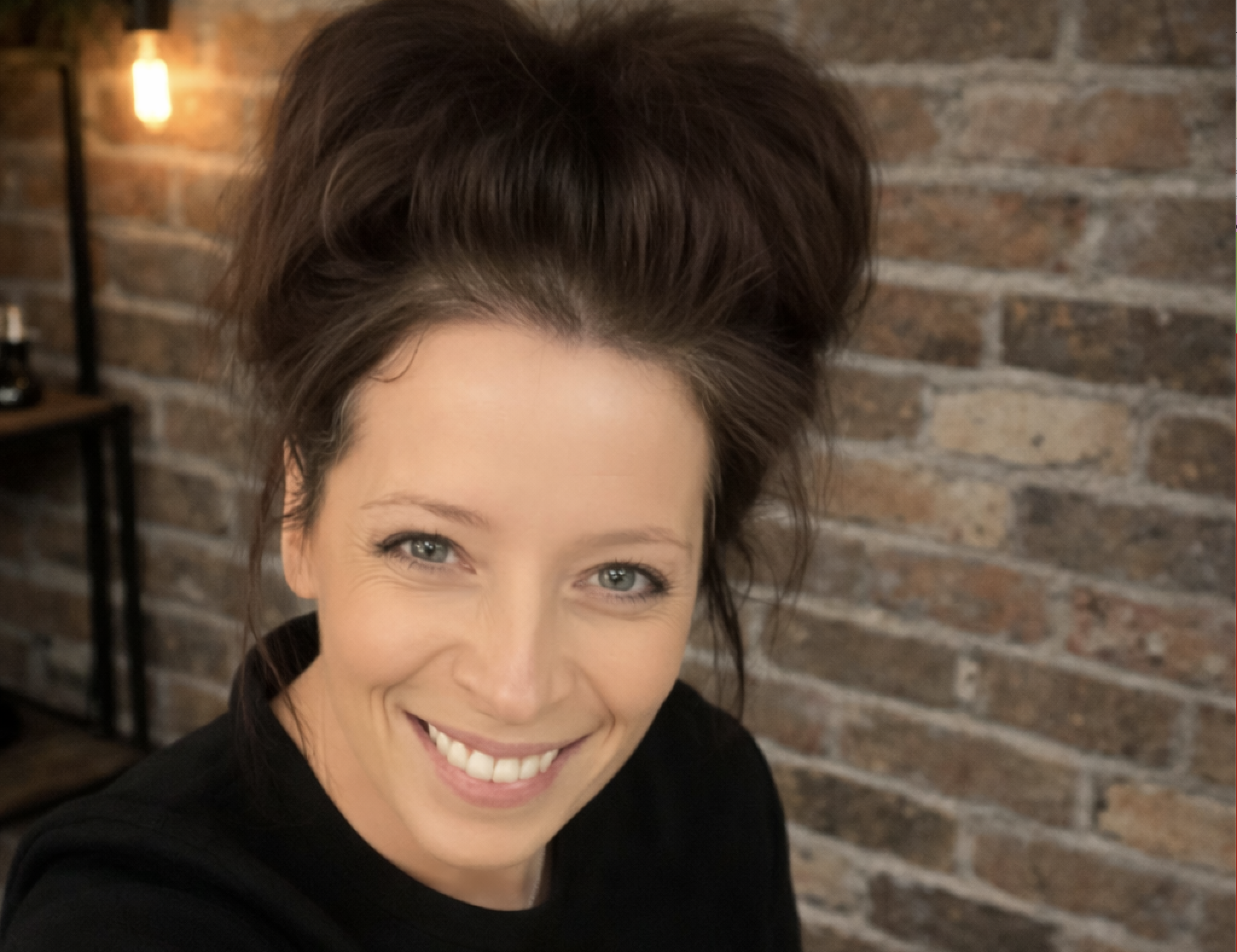
How many years have you been in the events industry?
Around 19 years, and like most long careers, it’s been full of highs, lows, challenges, and plenty of rewarding moments. The funny thing is, I never set out to work in events at all. My first love was Musical Theatre. What I didn’t realise at the time was how much that performance background would serve me in this world. To this day, I still lean on it. Whether it’s the energy of a live moment, keeping calm under pressure, or just embracing the mindset in the moment that ‘the show must go on.’
How do you balance professional growth with personal commitments, and do you think the industry is evolving in terms of work-life balance?
I’m all for the positive changes happening in our industry. In the past finding this work-life balance has been tough for me personally. In 2024, a cancer diagnosis forced me to rethink everything. It was a wake-up call.
What I’ve noticed, though, is how much better our industry is getting at supporting both professional and personal growth. This is a long overdue shift and something I want NPK to strive for as we grow our business.
How do you see the events industry evolving in terms of diversity, equity, and inclusion?
I was born and raised in Manchester, and was lucky to experience a truly diverse community and education. At the time, it felt normal, but looking back, I can see how much it enriched my perspective, challenged my thinking, and shaped me personally and professionally.
For the events industry, DEI isn’t just “nice to have.” Events are about bringing people together, and that only works when inclusivity is built in from the start. When I first broke out into festivals after corporate, it was sometimes tough being a woman, I’m going to be honest. From accessibility to genuine representation on stage and behind the scenes, to decision-making that levels the playing field – this has to go beyond box ticking.
The future I want to help shape is an industry where DEI isn’t a goal, it’s a given. Creating richer, more meaningful experiences where everyone feels they belong.
What advice would you give to young women looking to enter and succeed in the events industry?
First, think carefully about how you want to enter the industry. There are so many routes into events these days, and it’s not a one-size-fits-all path. If there’s someone you admire, whether it’s their story, their socials, or the way they work, don’t be afraid to reach out. Make yourself known, ask for advice and start building connections. You have nothing to lose.
Second, remember that you are your own superpower. If something isn’t working, if you’re not growing or if it just doesn’t feel right, you can change it. Take ownership of your career and back yourself to keep moving forward.
Finally, never stop learning. Volunteer, take on the jobs no one else wants, and don’t ever think you’re above the graft. Events are built on teamwork and making it happen, and I’ve seen so many behave poorly over the years where I’ve had to step in and provide a reality check. I’ve always tried to be like a sponge: aware of my weaknesses, hungry for new knowledge, and open to sharing what I’ve learned with those who want to grow.
Every day can be a school day in this industry, no matter how much experience you have, and that’s what makes it so exciting!
How do you handle setbacks and failures?
If there’s a setback or I’ve dropped the ball, I’ll own it openly and move on to the solution. The key thing is to be open and communicate straight away… these are live events we’re talking about.
Events can be tough. There’s no way to sugar coat this. Surround yourself with trusted partners who are all about solutions, not blame, and lead by example here – I always ask my team and suppliers to be completely open so expectations are managed from start to finish. It can be tough to do this in the heat of the moment when the pressure’s on! We’ve all been there…
In terms of our business, we try to learn from each and every moment, success or fail.
What changes do you think are still needed to create more opportunities for women in leadership?
We need to keep pushing until women in leadership are no longer the exception, but the expectation. It’s not just about ‘getting a seat at the table’. For me it’s about being listened to, respected, and shaping the agenda. Pay gaps and promotion gaps are still very real, which is why transparency, accountability and a genuine commitment to equity are essential.
Hybrid working and flexible models have proven their value, but too often women still shoulder the bulk of responsibilities. Flexibility can’t come at the cost of career progression. Leadership isn’t only about climbing the ladder, we need to be reshaping workplaces so others can thrive. Psychological safety, respect and inclusion must be non-negotiable foundations.
And if you’re already in a leadership role, use your voice wherever you can. I know I need to do more of this myself, since we re-launched our brand and services especially. Be visible, be vocal and be the example. Supporting, nurturing and championing new talent is one of the most powerful forms of leadership we have.