
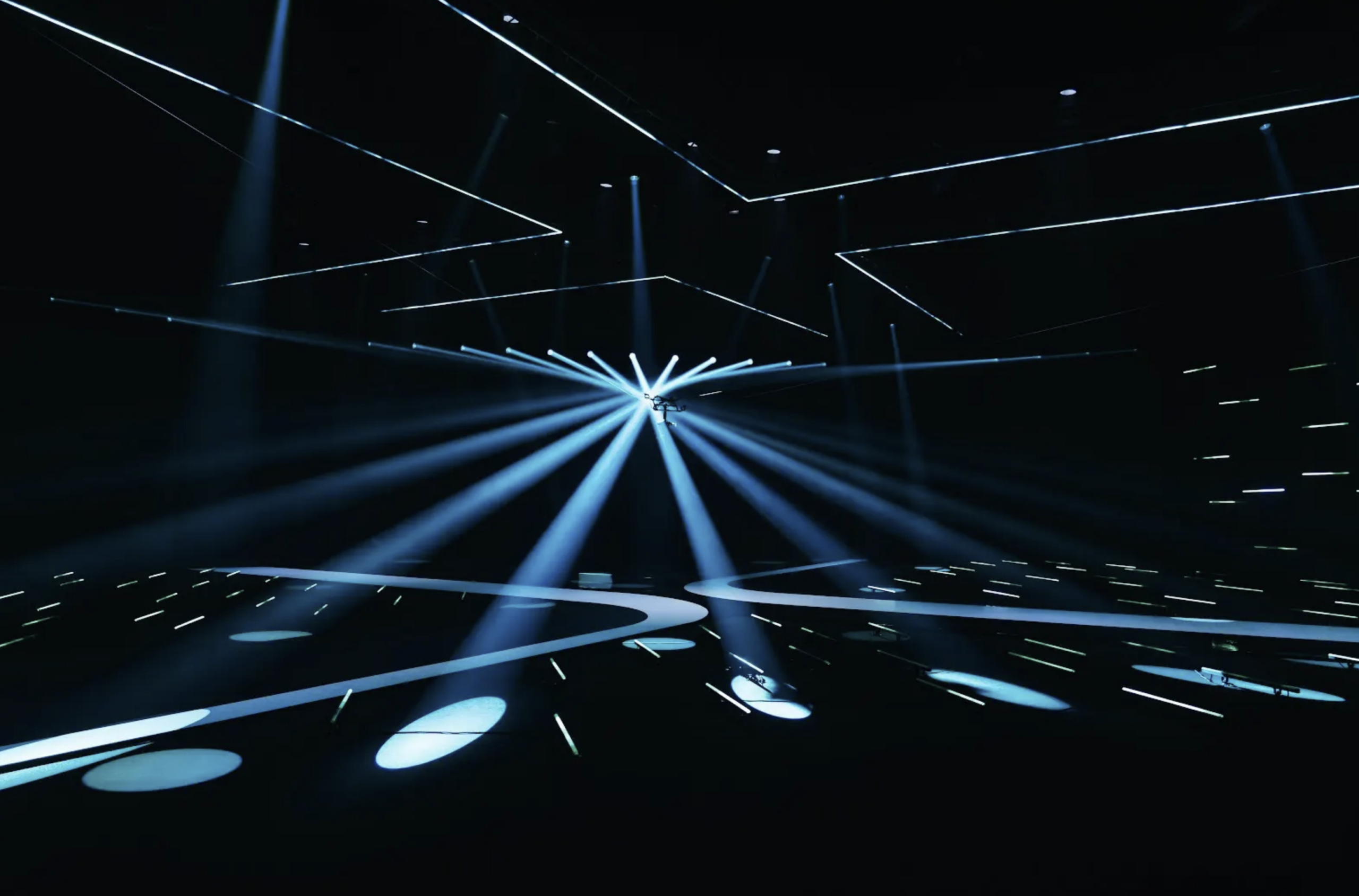
In this blog, managing director of Vrya, Joe Duffield shares five ways that AI is transforming live marketing events.
With over 20 years in live brand events, I am used to the ever changing and developing technology, consumer trends and market changes that we are faced with.
AI has been on the horizon for some time, but now, it is full front and centre. It’s the conversation on everyone’s lips, clogging our newsfeeds, both professionally and in our personal lives. So, here we find ourselves adapting yet again, both professionally and personally. We can either be excited by change, or daunted, even bury our head in the sands when it feels uncomfortable.
However, with AI, this isn’t something that we can do, for the mean time it is here to stay and we need to embrace it, especially in live brand events. Because if you don’t embrace the change, you get left behind, whilst your competitors are running with it, learning and evolving.
I love tech. So of course, immediately I was an early adopter of AI. With everything I know so far, from experience, trial and error, client conversations and general awareness, I want to share what I have learnt.
Here are five key ways AI can transform live marketing, by improving speed, targeting, operations, and measurement:
1. Speed up pitch cycles
Firstly, AI removes bottlenecks in content creation. Your initial briefs from clients can become mood films, layouts, and first drafts of copy within hours. This means your team can spend time sharpening ideas instead of chasing assets or waiting for versions to be completed. Faster pitch cycles cut lead times and allow you to respond quickly to client needs without sacrificing creative quality.
When we adapted the Aston Martin DBX707 launch last minute from hybrid to fully virtual, AI-assisted workflows helped us put together immersive content faster than ever, reaching more than 500,000 viewers worldwide.
2. Sharpen audience targeting
Secondly, data fuels AI’s precision. With clear insights from RSVPs, past event behaviour, and location information, you can tailor communications, timing, and onsite flows to each segment of your audience. This leads to more relevant engagement and smoother event journeys.
For example, Bentley Motors uses these data-driven insights to personalise VIP experiences at global launches. The right message at the right time drives stronger participation, making guests feel genuinely connected to the moment.
3. Multiply content without adding studio time
AI streamlines localisation and asset repurposing. One master concept quickly becomes many brand-safe versions in different sizes, languages, and with varying calls to action. You can scale your content distribution without expanding your production costs or timelines.
This efficiency helped us deliver the MG IM 5 and IM 6 animations across multiple markets with consistent quality while significantly reducing turnaround. Local teams received assets ready to deploy instantly, this was a critical advantage in tightly scheduled campaigns.
4. Optimise live experience in real time
AI lets you read the room continuously; sensors and sentiment analytics translate crowd dwell time and mood into actionable insights. You can adjust playlists, staff deployment, and queue management dynamically to enhance experience. Operators keep decisions within brand guardrails, ensuring consistency without sacrificing agility.
On event days, small shifts based on live feedback prevent bottlenecks and keep atmospheres vibrant. This real-time responsiveness translates into higher guest satisfaction, better word-of-mouth and happier clients.
5. Lean operations and better measurement
Behind the scenes, AI helps optimise staffing schedules, equipment routing, and overall logistics. We have been able to cut unnecessary crew hours and reduce truck runs and idle time. This reduces costs and shrinks your carbon footprint without compromising event delivery.
Afterward, privacy-safe CV and sensor data transform footfall into clear metrics: dwell time, interaction quality, and qualified interest. Rather than guesswork, clients receive actionable ROI reports. Intelligent assistants capture leads more accurately by handling FAQs and pre-qualifying prospects, feeding clean data into CRMs for faster sales follow-up.
Conclusion
At Vyra, we embrace AI as a tool to enhance creativity and precision. Our two decades of live event expertise, serving brands such as Lotus Cars, MG Motors, Bentley, and Aston Martin, guide how we integrate these technologies. We fuse culture, creativity, and technology to build moments that move audiences and deliver business impact.
AI is a practical resource that helps you move faster, target smarter, operate leaner, and measure clearly. It unlocks new possibilities while letting your team focus on the ideas and experiences that define great live marketing.
By adopting AI intentionally across your event workflows, you build agility and resilience into each project. This enables you to meet tighter deadlines, personalise at scale, and act decisively in the moment. The future of live marketing requires this level of precision and speed.