

Women make up around 70% of the global events workforce but their stories, leadership, and influence are often underrepresented.
The 70% is a weekly series celebrating the women shaping the events industry. From rising stars to seasoned leaders, each profile shines a light on the career journeys, challenges, and perspectives of women working across all corners of the sector.
In this edition of the 70%, Johanna Byrane, head of business development at Allianz Stadium, Twickenham shares her story with us.
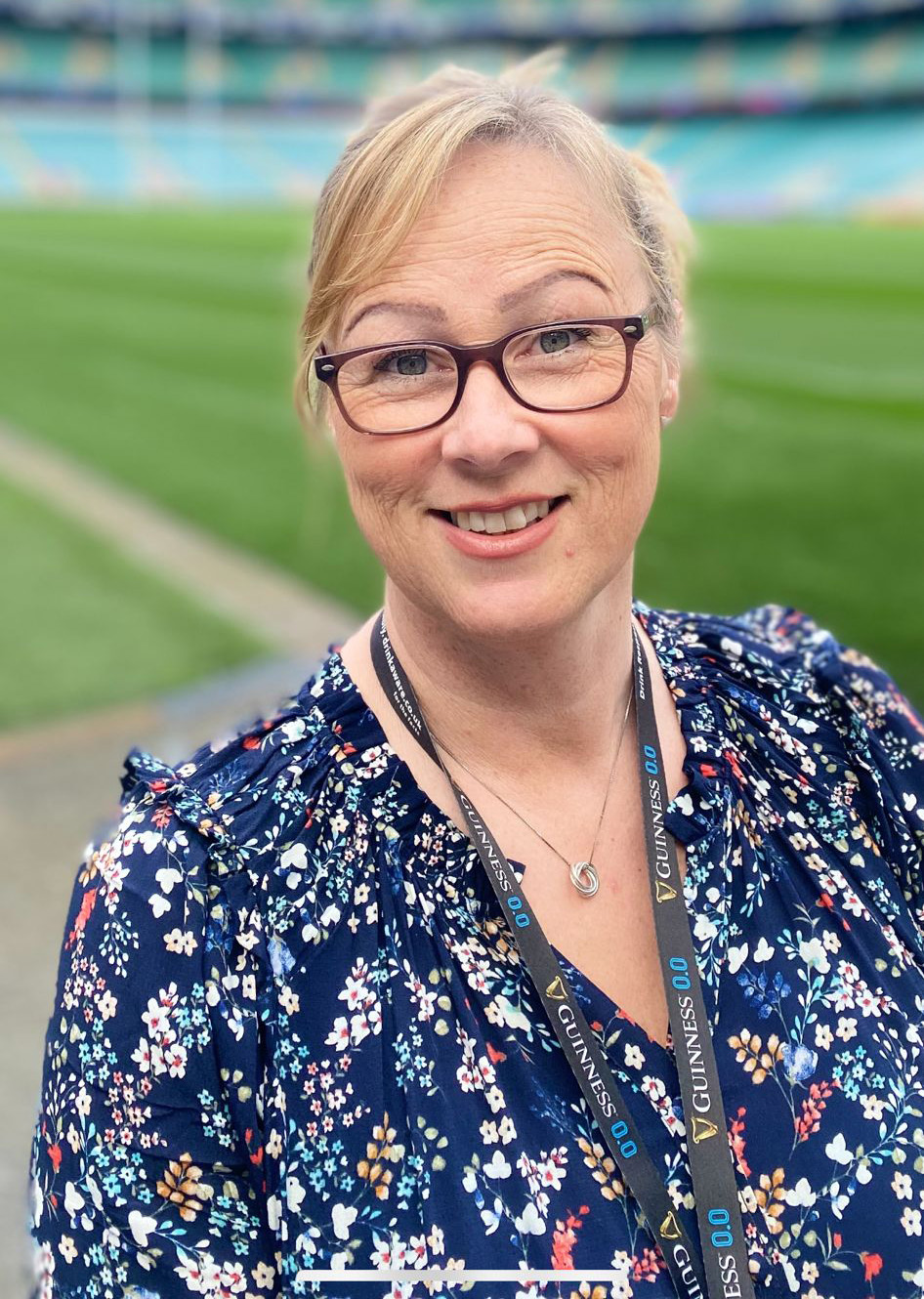
How do you balance professional growth with personal commitments, and do you think the industry is evolving in terms of work-life balance?
It’s all about being super organised – both at work and in family life. I’ve also learned that I have to be really efficient with my time and any out-of-hours work opportunities are worth my while with a clear outcome. It’s certainly easier now my children are teenagers but I’m still always planning ahead.
For anyone who worked in the industry pre-Covid will now see a huge differenc. There is much more flexibility around working from home and time in lieu for late finishes or early starts – they will see this as a new normal. Believe me, this certainly wasn’t the case for so many of us pre-Covid. I’m lucky enough to work under leadership that promotes a healthy work/life balance and provides me with the autonomy to manage my own time whilst still ensuring a strong work ethic.
How do you see the events industry evolving in terms of diversity, equity, and inclusion?
For me, I’ve always seen the events industry as being a wonderfully inclusive environment, welcoming and developing talent from all walks of life. We encourage personalities to shine through right from recruitment through to developing career aspirations.
What advice would you give to young women looking to enter and succeed in the events industry?
Go for it! You’ll never be bored! For operational roles, what some people see as unsociable hours can work for others and the flexibility can be an added benefit that is often not recognised. The events industry doesn’t always have to be front of house. Those supporting functions such as Finance, HR, and training can also offer wonderful career pathways with ongoing learning available and offer more structured hours if that is what you prefer
How do you handle setbacks and failures?
I’m experienced and resilient enough to move on and learn from setbacks, but that doesn’t stop me from feeling disappointed if targets aren’t achieved by myself and my team. I’m lucky enough to work in an environment that encourages us to make decisions and be brave. We will all make mistakes but a supportive environment ensures that we share learnings and move on.
What changes do you think are still needed to create more opportunities for women in leadership?
There’s definitely been progress, but we still need to see more women actively encouraged and supported into senior roles. Mentoring and visible female role models can make a huge difference – seeing someone who looks like you in a leadership position makes it feel much more achievable.
We also need to keep challenging the assumptions around what leadership looks like; it’s not always the loudest voice in the room. It’s about creating a culture where different leadership styles are valued and where flexibility doesn’t limit career progression. The more inclusive and supportive our workplaces are, the more women will thrive at the top.